Could platelet transfusion worsen outcomes after spontaneous intracerebral haemorrhage in patients taking antiplatelet drugs? This 2016 appraisal examines the PATCH trial’s unexpected findings, functional outcomes and limitations, asking why a biologically plausible treatment might fail to help the patients it was intended to benefit.
A historical review of the 2016 RCEM guidance on acute behavioural disturbance in the emergency department. The post discusses de-escalation, the risks of restraint, sedation, assessment for underlying illness and early senior involvement when severe agitation accompanies physiological instability.
How can clinicians support a bleeding trauma patient while definitive haemorrhage control is being arranged? This 2016 discussion explores resuscitation physiology, fluids, vasopressors and treatment endpoints, setting out the authors’ perspective while acknowledging limited evidence and the importance of the wider trauma system.
A patient’s chest pain has resolved and the emergency department ECG looks relatively reassuring. This teaching case asks what information might still be missing, using the contrast with an earlier ambulance tracing to explore dynamic ECG changes and the importance of clinical detective work.
When does a useful educational tool start taking too much of our attention? Iain Beardsell reflects on constant phone-checking, family life and his own relationship with social media, explaining why he planned a week away from apps to reconnect with the world around him.
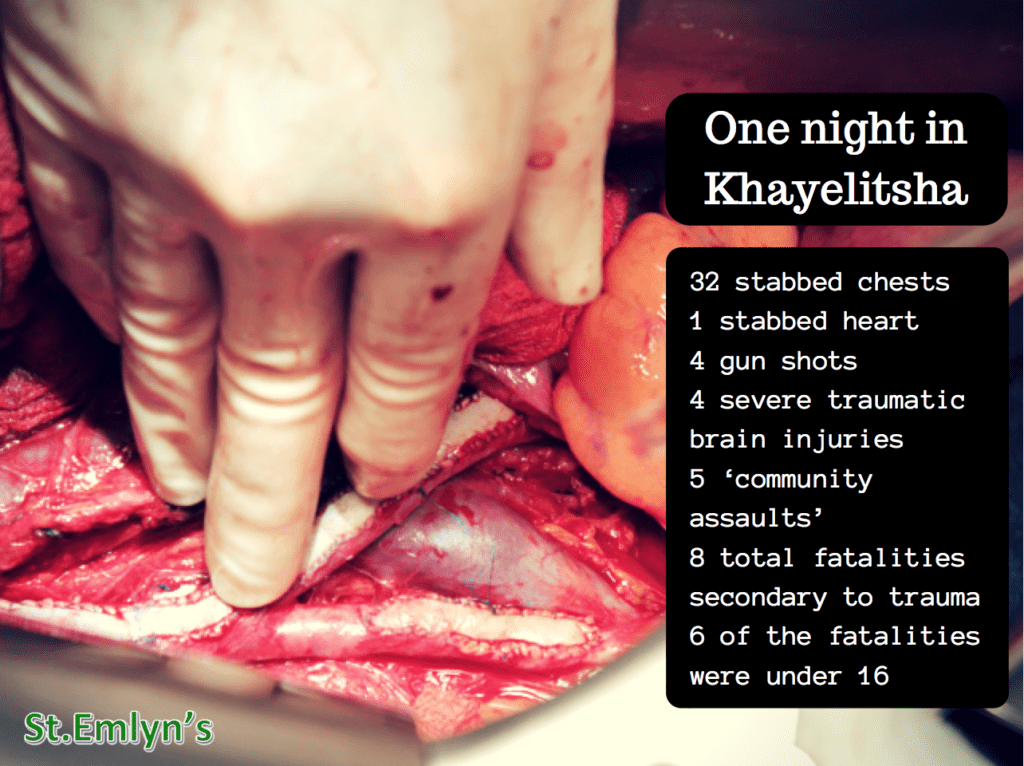
Robert Lloyd reflects on three months working in South Africa and the effect of acute stress on his clinical performance. He describes how repeated practice, mental rehearsal, preparation, self-talk and breathing helped him cope, then considers how simulation might prepare others for pressure.