Can prehospital emergency anaesthesia improve survival after major trauma? This review examines a UK study using machine learning and causal modelling, with attention to patient selection, residual confounding and why an observational estimate is not definitive proof of benefit.
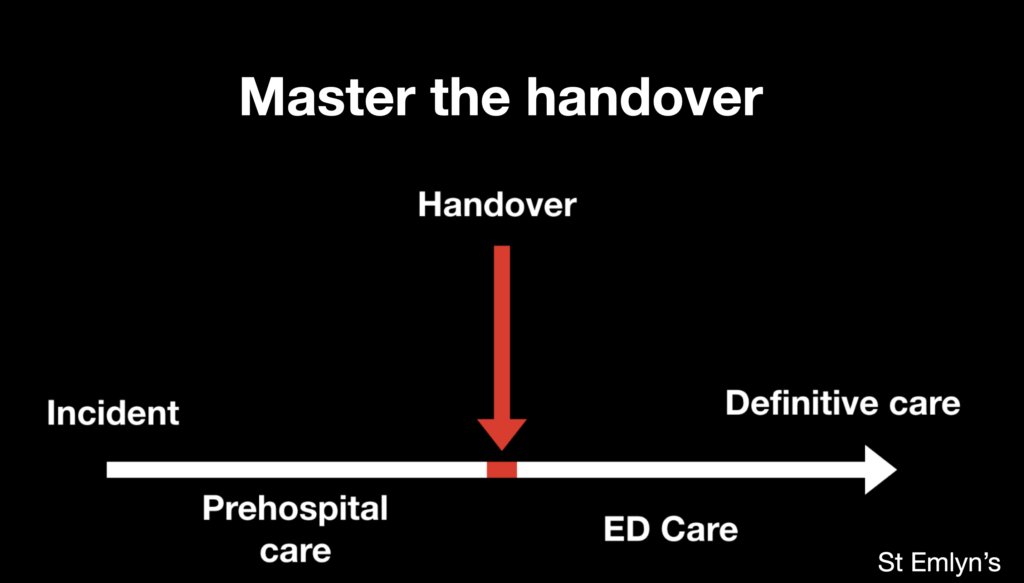
Practical trauma handover advice for trauma team leaders in emergency medicine. Learn how to structure ATMIST handovers, prepare resus before arrival, improve teamwork with HEMS crews, and optimise patient safety in major trauma.
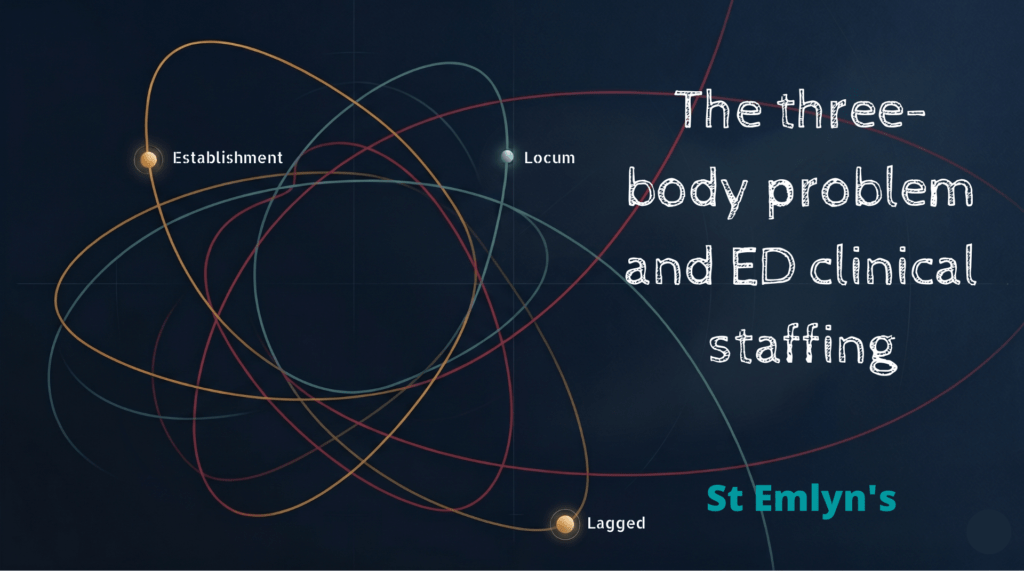
Why is it so difficult to build an emergency department rota that meets weekend demand? Stevan Bruijns explores full-time and part-time staffing, the separation of substantive, locum and longer-term costs, and what a more complete workforce business case should consider.
Could peer support in the ED help people engage with treatment after an opioid overdose? Greg Yates reviews a New Jersey programme, examining improved treatment engagement, the absence of a significant reduction in repeat overdose and the limits of observational evidence.
IncrEMentuM 2026 in Murcia was not a conventional Emergency Medicine conference. This reflection explores how its independent design, live simulation, hosted conversations, smaller faculty, translation, production values and global audience created a learning experience that felt connected to the realities of Emergency Medicine.
Simon Carley and Chris Gray report from the final day of RCEM's 2026 conference in Birmingham. Highlights include a thoracotomy demonstration, paediatric trauma and fracture studies, analgesia, and the opportunities and challenges of AI in emergency care.