Which balance of plasma, platelets and red cells should be used in major traumatic haemorrhage? This 2015 appraisal of the PROPPR trial examines mortality, haemostasis and deaths from bleeding, considering study power and the practical challenges of interpreting the results for transfusion protocols.
Karim Brohi discusses vascular injury in a short podcast recorded at the 2014 London Trauma Conference. The accompanying introduction highlights recognising the ischaemic injured limb, questioning assumptions about hard and soft signs, and the role of interventional radiology in major trauma care.
Which patients with blunt chest trauma are most likely to develop complications? This 2015 journal club examines the derivation and validation of a prognostic score, considering outcome definitions, reliability of recorded risk factors and the further evidence needed before a model should guide admission or discharge.
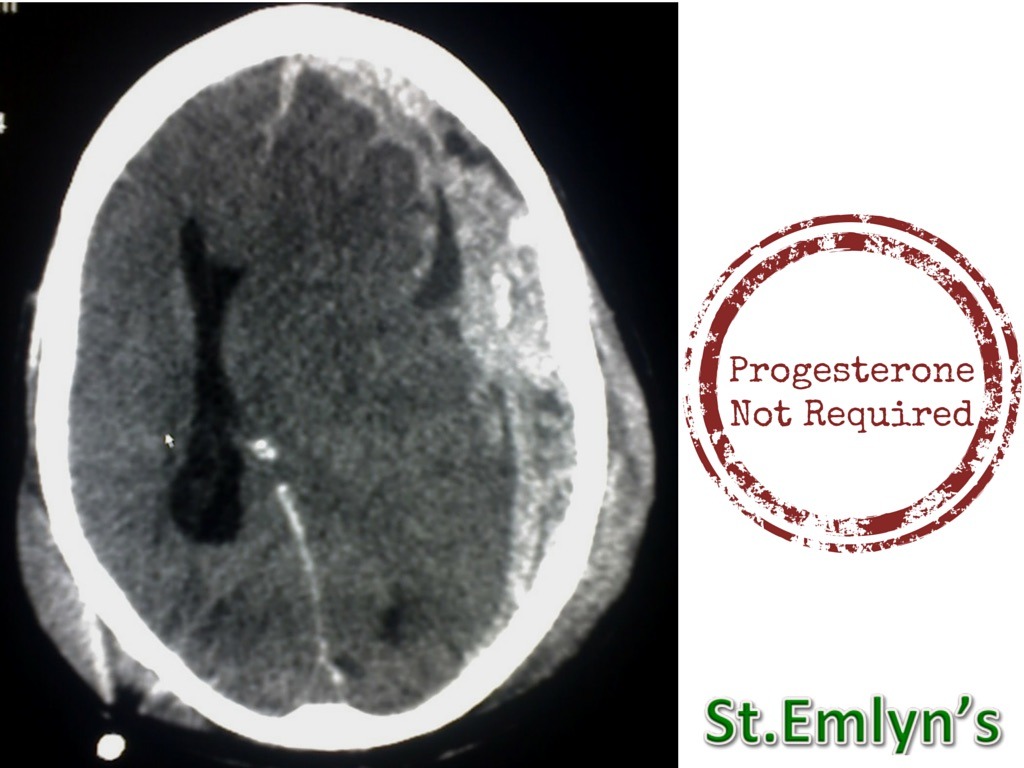
Why did progesterone’s promise in experimental brain injury fail to translate into benefit in a large clinical trial? This 2014 journal club examines patient selection, randomisation, anticipated treatment effects and stopping for futility, using the study to explore the challenges of translating laboratory findings into patient care.
The final day of the London Trauma Conference 2014 turns to prehospital care and air ambulance operations. This report covers training and performance, introducing new procedures, difficult transfers and the human impact of fatal helicopter crashes, alongside brief discussions of emerging trauma therapies and responder technology.
Highlights and a podcast from day two of the London Trauma Conference 2014, spanning trauma in older people, children and pregnant patients. The team also reflects on performance culture, learning from deaths, the future of ATLS and debates about ultrasound, vascular access and social media.