Should injured children receive whole-body or selective CT? Natalie May examines a 2018 observational study of paediatric trauma, explaining propensity-score adjustment and what its mortality findings can—and cannot—tell us. The discussion challenges the assumption that adult imaging practice should automatically transfer to children.
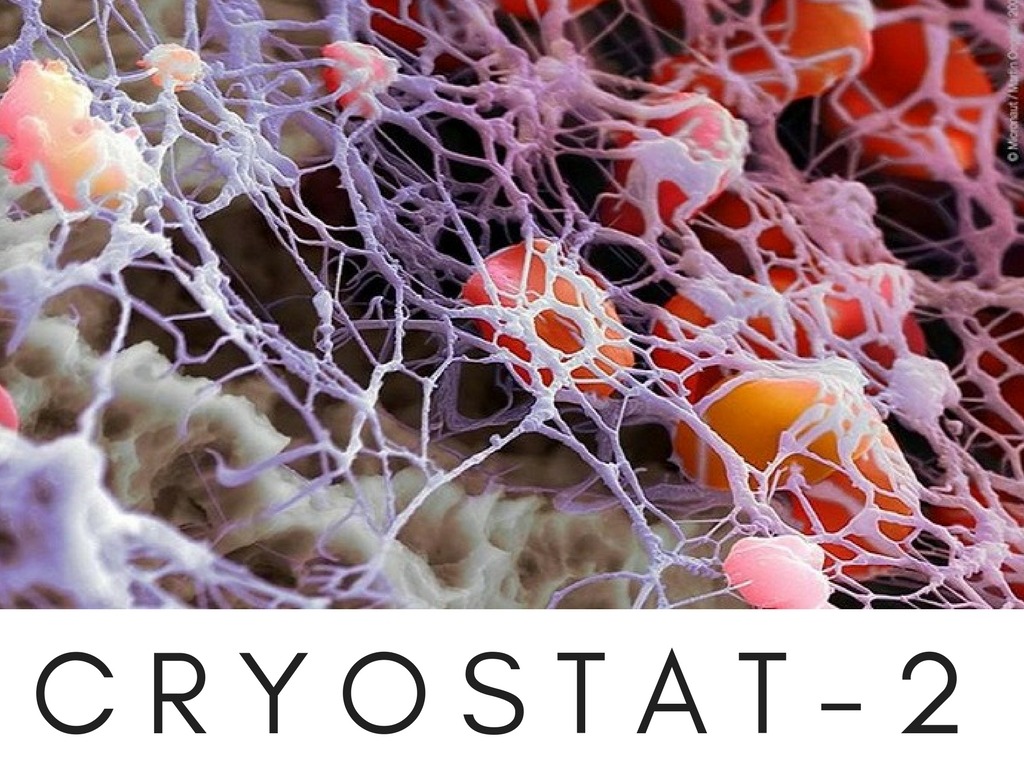
This 2018 introduction explains the question behind CRYOSTAT-2: could early cryoprecipitate improve survival after major traumatic bleeding? It outlines the rationale for fibrinogen replacement, the planned randomised trial, eligibility criteria and patient-centred outcomes. This is a preview of the study, before its results became available.
Chris Gray reports from the 2018 Northern Emergency Medicine conference in Durham. The programme connects end-of-life care, frailty and prehospital developments with workforce roles, burnout and major-incident preparation. Reflections on the Manchester attack underline the importance of understanding both the response plan and support for colleagues.
Natalie May introduces the e-book collecting her reflections from Sydney HEMS, with 104 lessons drawn from the original blog series. This 2017 announcement explains the collection’s additional photographs, foreword and chapter on entering prehospital and retrieval medicine, and links back to the seven source posts.
Is paracetamol alone enough for pain after minor musculoskeletal injury? This 2017 review examines a randomised non-inferiority trial comparing paracetamol, diclofenac and their combination. It explores pain outcomes, trial design and exclusions, including why the findings cannot simply be extended to fractures or all painful injuries.
How much does delay matter when giving tranexamic acid? This 2017 journal club examines individual patient data from CRASH-2 and WOMAN, exploring the relationship between treatment timing and bleeding deaths, the size of the benefit and the analysis’s limitations.