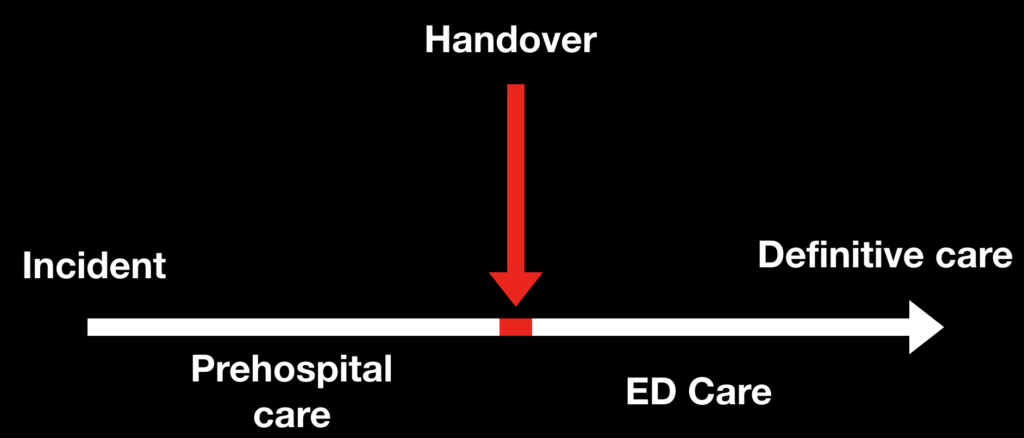
What makes a clinical handover work when a critically ill patient arrives? Drawing on a 2018 Intensive Care Society presentation, this post explores preparation, team attention, structured communication and follow-up. It offers adaptable principles for sharing essential information while recognising that urgent treatment sometimes takes priority.
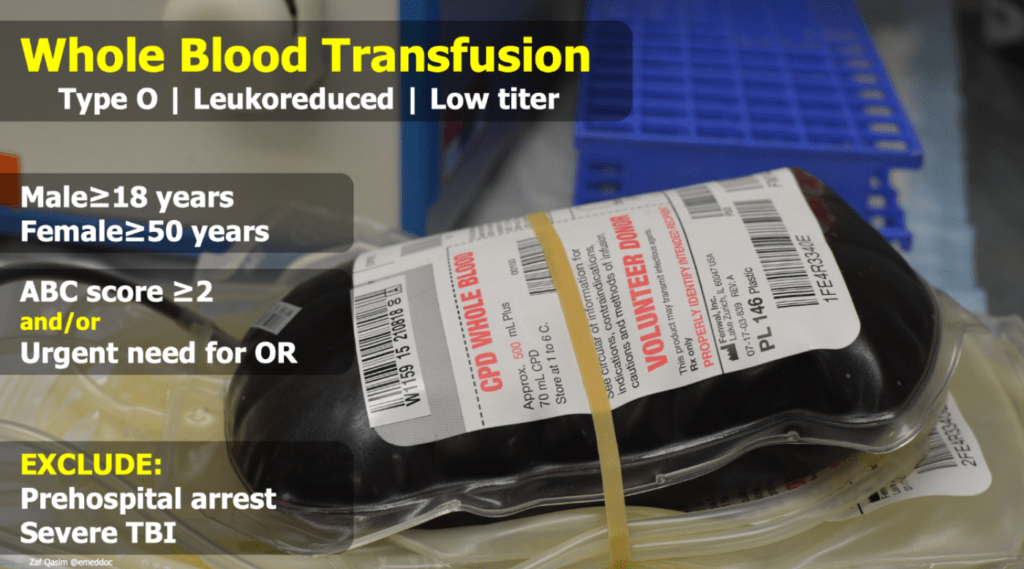
Why return to whole blood in major trauma? Zaf Qasim reviews the military experience, early civilian studies and practical challenges of introducing a whole-blood programme. This 2018 overview considers compatibility, storage and transfusion risks while acknowledging the limits of the evidence for civilian patients.
Does early hypothermia improve outcomes after traumatic brain injury? This review of the 2018 POLAR trial examines its patient selection, cooling strategy and six-month neurological outcomes. It discusses the absence of demonstrated benefit in this population and why the findings cannot answer every question about rescue cooling.
Simon Carley shares highlights from the 2018 BASICS North West conference, spanning prehospital care, sepsis, stroke research and support for clinicians. The report ends with his torso trauma discussion, covering changing interventions, paediatric injuries, assessment of shock and the challenges of care across the patient journey.
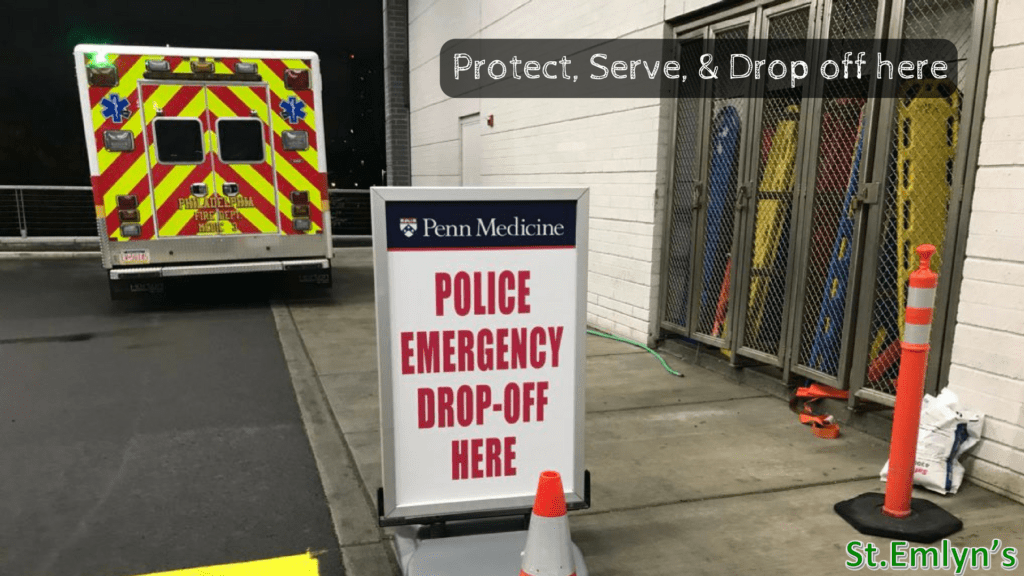
Should police transport patients with penetrating trauma when an ambulance is unavailable? This 2018 review explores Philadelphia’s experience, weighing speed and access against the absence of care en route, unpredictable arrivals and wider trauma-system risks. It considers why coordination between police, EMS and hospitals matters.
Simon Carley selects ten trauma papers for the 2018 Trauma Care UK conference, focusing on questions that might change bedside practice. Topics range from imaging and transport to brain injury, pneumothorax and team performance, with critical discussion of study limitations and the challenges of translating evidence into care.