Simon Carley brings together ten trauma papers and resources for the 2019 TraumaUK conference. The selection spans prehospital plasma, airway management, resuscitation, head injury, emergency laparotomy and paediatric splenic injury, ending with the Zero Point Survey and preparation before resuscitation begins.
Why do some bleeding trauma patients die after surviving the initial resuscitation? This 2019 discussion of an editorial by Karim Brohi and John Holcomb examines changing patterns of mortality, possible mechanisms of later deaths and the need to consider the whole trauma system.
Can helicopter emergency medical services improve survival after traumatic cardiac arrest? This 2019 appraisal examines a retrospective UK cohort, distinguishing procedures and return of circulation from survival to hospital discharge, and questioning what a small, uncontrolled dataset can tell us about benefit.
How should we interpret survival improvements after changes to UK trauma services? This appraisal examines TARN data from 2008–2017, considering regional trauma networks alongside changing patient populations, case identification and missing data. It also highlights the challenge of recognising serious injury in older people.
Why did mortality remain so high among hypotensive patients needing emergency trauma laparotomy? Rich Carden’s 2018 discussion examines earlier studies, delays to surgery and damage control care, then explains the need for more detailed data and the planned TELA audit.
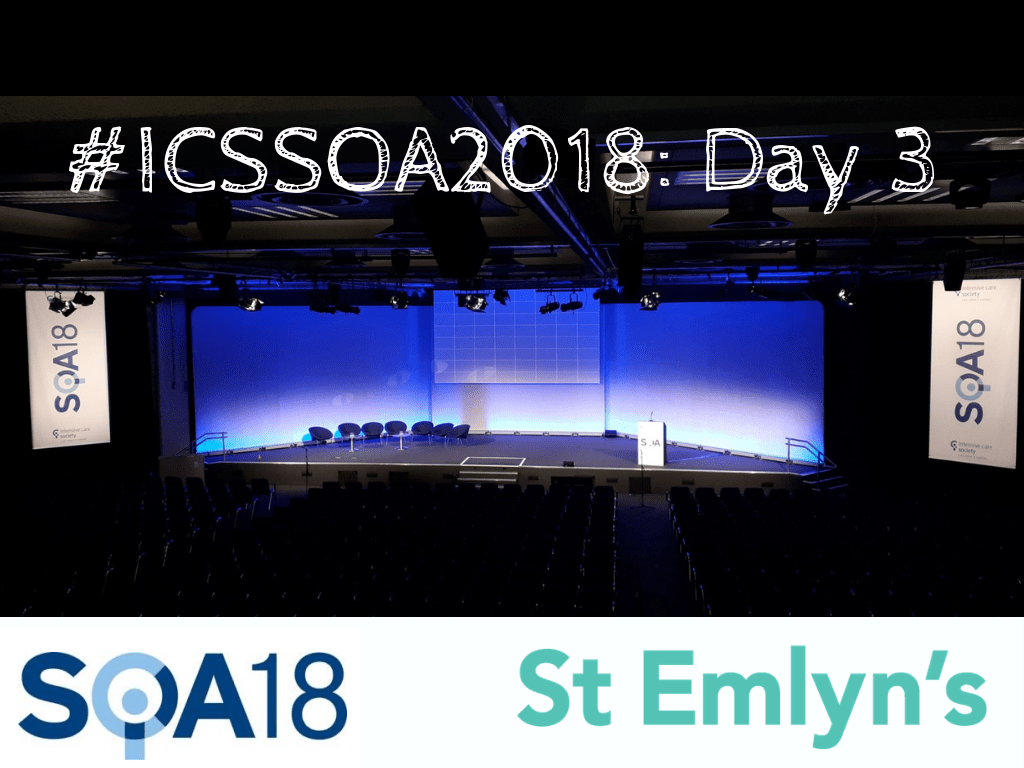
The final day of the Intensive Care Society’s 2018 meeting brought together research updates and questions about the outcomes patients value. This report covers frailty, predictive technology, delirium and organ donation, alongside reflections on careful clinical care and the limits of simple solutions.