How common is venous thromboembolism after major trauma, and who is most at risk? This 2017 systematic-review appraisal finds widely varying estimates and limited evidence, exploring why differences in populations and testing make simple conclusions difficult.
How prepared is your department for an attack involving a corrosive substance? This 2017 post discusses decontamination, eye injuries, multidisciplinary care and support for victims, emphasising local planning and specialist toxicology advice rather than using a blog to direct treatment.
Natalie May continues her reflections on a year with Sydney HEMS, focusing on paediatric retrieval, drowning and airway care. These personal clinical lessons explore equipment, communication and the compromises involved in delivering critical care outside the hospital.
A 2017 visit to Mitchells Plain and neighbouring emergency centres prompts reflections on trauma, mental health care, teaching and resource constraints. Simon Carley describes the work of South African colleagues and the #badEM team, while questioning the limits of an outsider’s perspective.
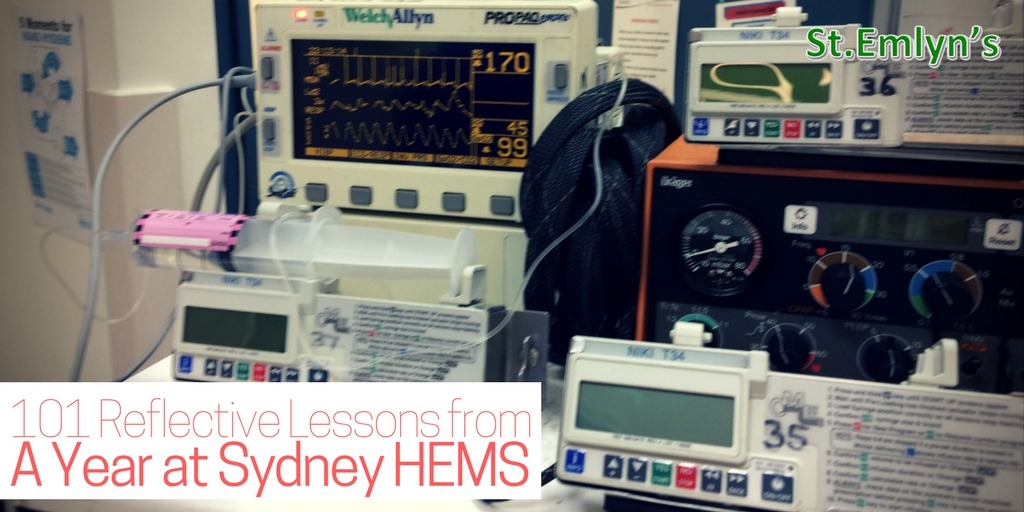
Preparing a critically ill patient for transfer brings challenges that can be less obvious at the bedside. In this third Sydney HEMS reflection, Natalie May explores sedation, ventilation, physiological preparation and contingency planning through lessons from interhospital retrievals.
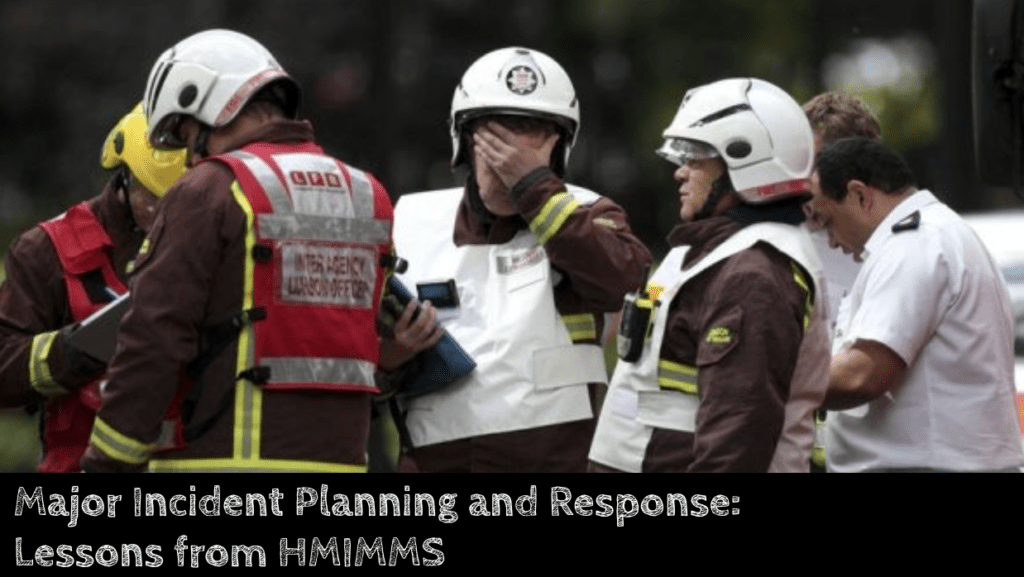
Would your hospital’s major incident plan work with the staff and resources actually available? This 2017 conference companion explores usable action cards, familiar roles, scalable command structures and local training, with attention to regional networks and an all-hazards approach.