Did hydrocortisone improve outcomes in septic shock in the ADRENAL trial? This 2018 appraisal examines the absence of a demonstrated 90-day mortality benefit alongside secondary findings on shock resolution and time in intensive care. It explores trial design, patient selection and the limits of subgroup interpretation.
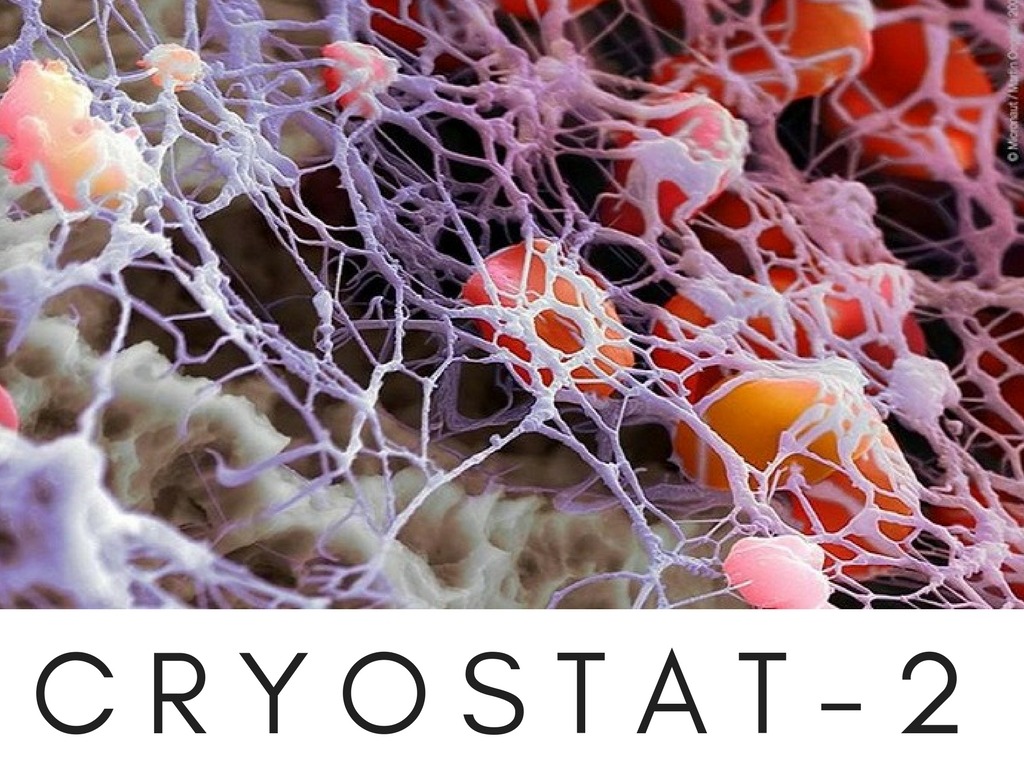
This 2018 introduction explains the question behind CRYOSTAT-2: could early cryoprecipitate improve survival after major traumatic bleeding? It outlines the rationale for fibrinogen replacement, the planned randomised trial, eligibility criteria and patient-centred outcomes. This is a preview of the study, before its results became available.
The September 2018 podcast roundup revisits airway management after out-of-hospital cardiac arrest, the Zero Point Survey and pulmonary embolism. Its linked reading also covers neonatal emergencies, equality in emergency medicine and reports from EMS Gathering, ResusTO and EuSEM, bringing together the month’s clinical and professional discussions.
Natalie May introduces the e-book collecting her reflections from Sydney HEMS, with 104 lessons drawn from the original blog series. This 2017 announcement explains the collection’s additional photographs, foreword and chapter on entering prehospital and retrieval medicine, and links back to the seven source posts.
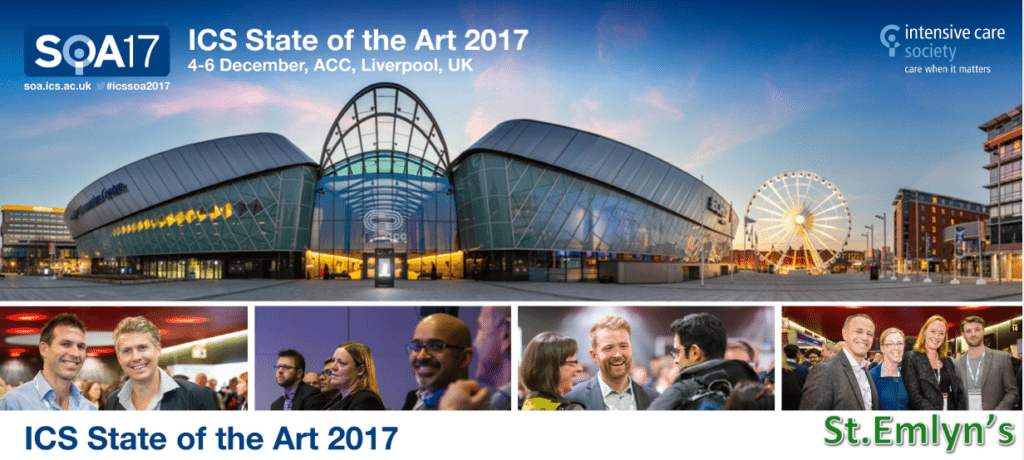
A report from the first two days of the Intensive Care Society’s 2017 State of the Art meeting in Liverpool. Topics include trauma, early mobilisation, transfusion, pulmonary embolism and tracheostomy care, alongside debates about service standards, robotics and translating evidence into everyday critical care.
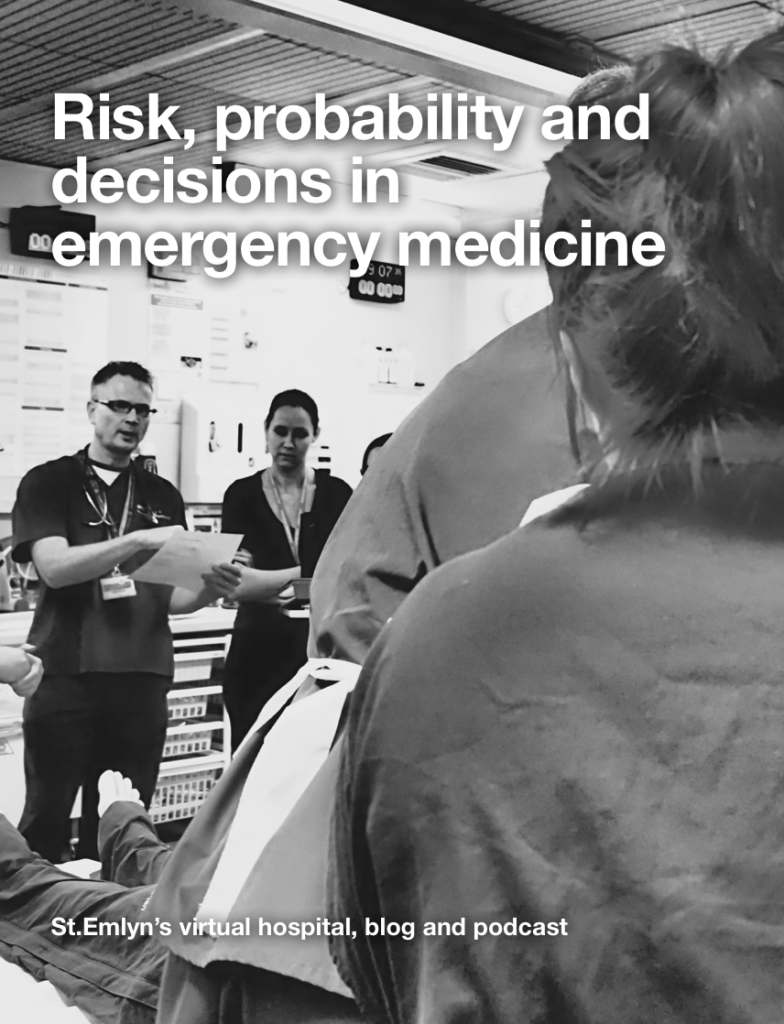
How do we make decisions when time is short and information incomplete? This introduction to St Emlyn’s first e-book brings together risk, probability and metacognition, explaining why thinking about our thinking matters in emergency medicine.