The final day of RCEM’s 2019 scientific conference brought together cardiac arrest research, medical education and clinicians’ working lives. This report covers AIRWAYS-2 and PARAMEDIC-2, podcasting, proposed curriculum changes and research into fatigue and the need for recovery.
Simon Carley reports from the European Resuscitation Council meeting in Slovenia in 2019. Alongside reflections on early recognition, CPR and defibrillation, the post includes a conference podcast and discussion of the continuing debate over temperature management after cardiac arrest.
Day two of RCEM’s 2019 scientific conference ranged from frailty and palliative care to research, leadership and working patterns. The St Emlyn’s team reports on clinical learning alongside practical discussions about annualised rotas, supportive handovers and sustainable emergency medicine careers.
Simon Carley selects papers from 2018–2019 for his RCEM conference talk, explaining why they might influence emergency medicine practice. Topics include paediatric seizures, cardiac arrest and pulmonary embolism in pregnancy, with links to fuller appraisals of the studies.
What makes a resuscitationist beyond technical skill? Dan Horner’s talk and accompanying reflection explore clinical judgement, team leadership, communication and the systems that support resuscitation, including the difficult decisions about when treatment may no longer help.
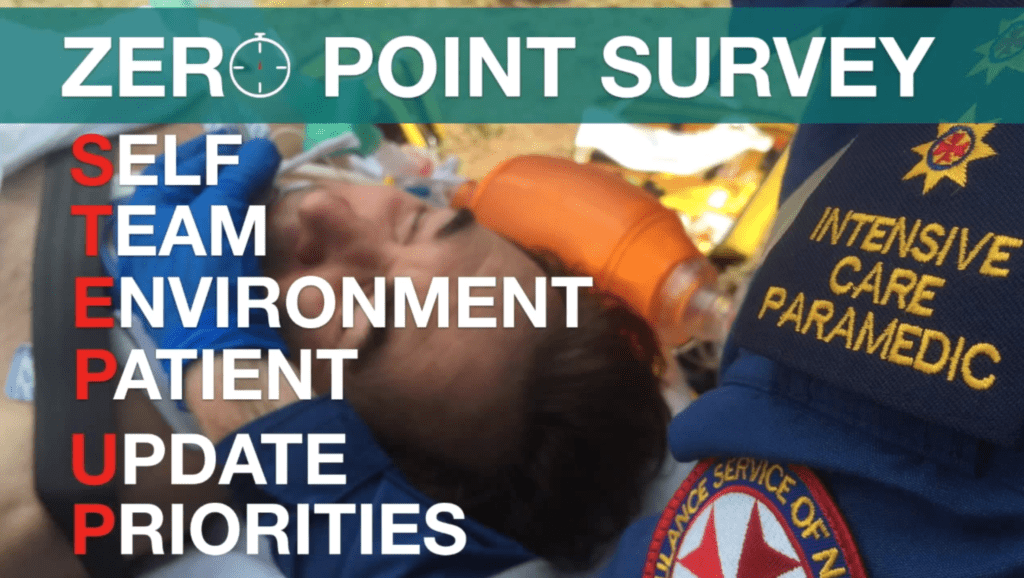
Cliff Reid demonstrates the Zero Point Survey in a video showing its use in prehospital and hospital settings. The post introduces the STEPUP framework as a structured approach to preparing for and beginning the care of critically ill patients.