This 2019 overview examines the emergency assessment of decompensated liver disease, from recognising deterioration and investigating its cause to managing major complications. It brings together infection, kidney injury, gastrointestinal bleeding and encephalopathy within a structured care-bundle approach.
Explore the July 2019 blog archive with this monthly podcast round-up. Its accompanying links include mass-casualty training in Pakistan, major gastrointestinal bleeding, Listeria, vena cava filters in trauma and psychological performance in the resuscitation room.
An archive notice for the Resuscitology course scheduled in Manchester on 14 December 2019. The planned programme combined case-based discussion of clinical resuscitation with leadership, human factors, wellbeing and sustainability, with an international faculty of emergency and critical care clinicians.
What is actually in a bag of packed red blood cells? This appraisal revisits a 2001 laboratory study of stored blood, exploring acid–base and electrolyte changes while distinguishing measurements in the bag from evidence of their effects on patients.
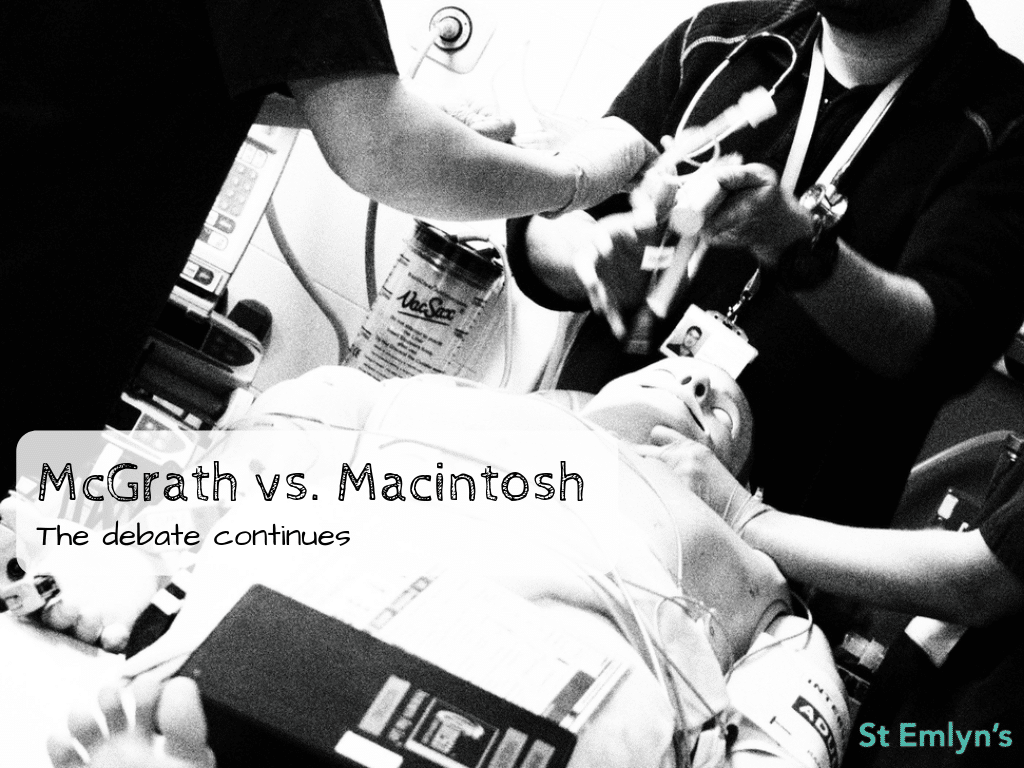
Does a McGrath videolaryngoscope improve first-pass intubation compared with a Macintosh laryngoscope in prehospital care? This 2019 appraisal examines a randomised trial, including its early termination, crossover between devices and the limits of drawing a clear verdict from the results.
This appraisal examines 2019 guidance on acute lower gastrointestinal bleeding, including risk assessment, investigation and referral. It considers the strength of the supporting evidence and how access to endoscopy and interventional radiology affects the application of recommendations in emergency care.