How can an ED make its leadership and development roles clearer? Southampton’s collaboratively written leadership portfolio sets out duties, accountability and allocated time, helping consultants and specialty doctors use job planning to agree expectations and review their non-clinical work.
Can a rude comment disrupt clinical teamwork? This 2016 appraisal examines a randomised neonatal simulation study in which rudeness impaired performance and information sharing, then considers the limits of transferring those findings to real care and the implications for everyday professional behaviour.
What happens when clinical work makes us afraid? In this companion to his SMACC Dublin talk, Ross Fisher reflects on recognising fear, its effects on performance and teamwork, and the value of colleagues who support us through it.
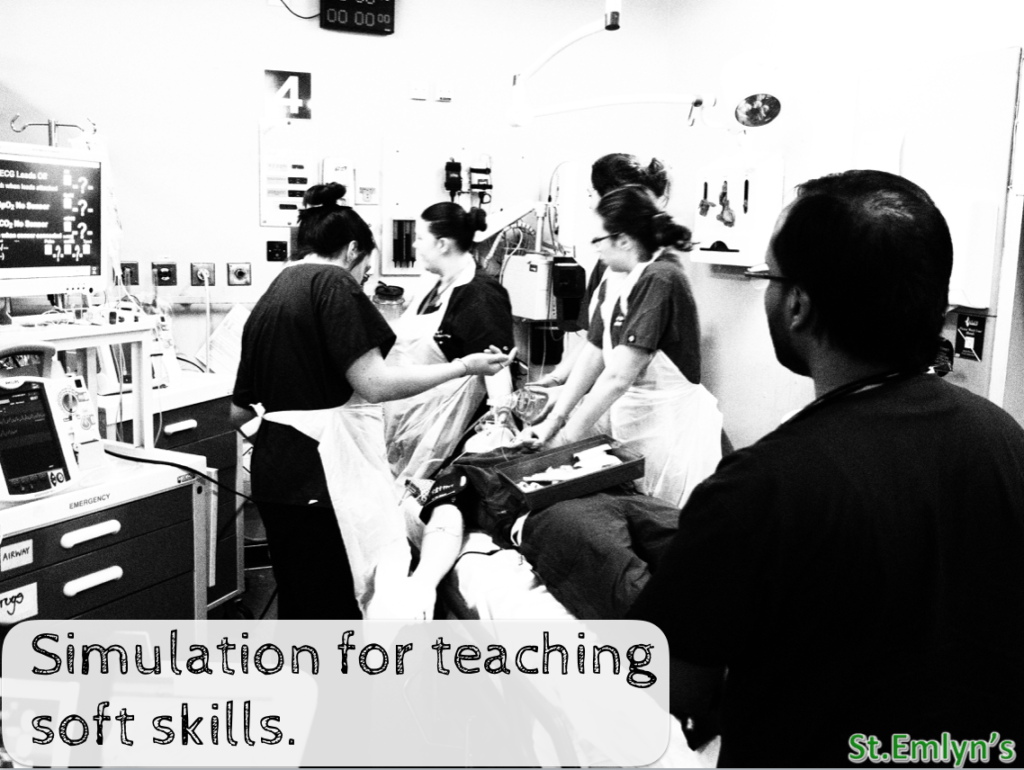
How can simulation develop the relationships and attitudes that shape clinical teamwork? Drawing on a EuSEM 2016 talk, this post explores training in the workplace, involving the whole team in debriefs and using learning conversations to understand behaviour under pressure.
How should new information change a clinical diagnosis? This introduction to Bayesian thinking uses a chest-pain example to explore updating probabilities, reconsidering alternatives after negative tests and avoiding the false reassurance of ruling out only the first diagnosis considered.
A participant’s report from the airway masterclass at SMACC Dublin in 2016, covering intubation, surgical airway practice, nasendoscopy and scenario simulation. The account emphasises rehearsal, teamwork and shared understanding alongside the technical skills, with links to further teaching resources.