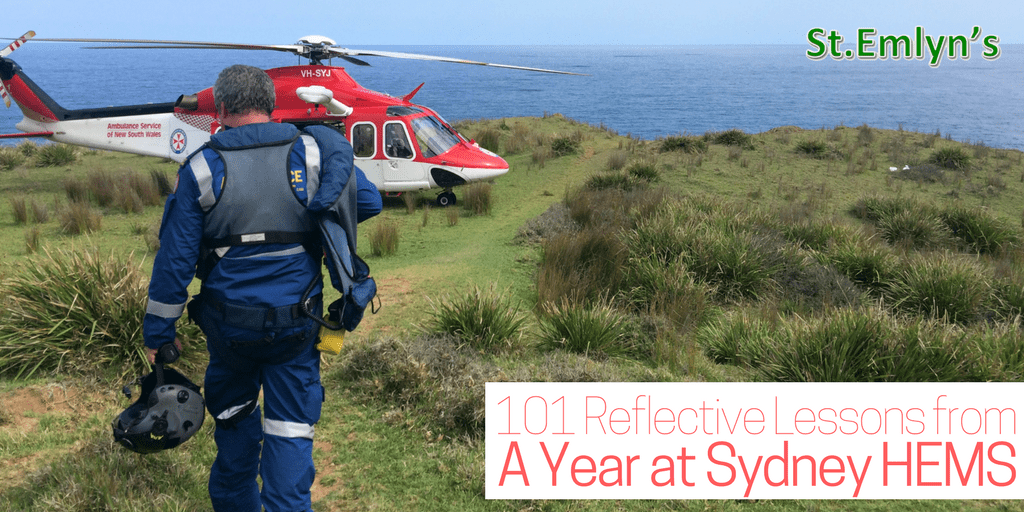
Self-care in retrieval medicine starts with ordinary needs: food, rest, sleep and time away from work. This sixth instalment of the Sydney HEMS reflections considers team morale, fitness and the culture of working while ill, drawing on a year of personal experience.
Leadership is not reserved for the most senior person in the room. Reflections from a year with Sydney HEMS explore responding to hostility, supporting colleagues after difficult jobs, listening to every voice and recognising the value of everyday kindness and humility.
Day two of The Teaching Course in Copenhagen in 2017 puts educational theory into practice. This report explores simulation for experienced clinicians, designing scenarios, retrieval and spaced learning, and making constructive use of feedback as a lifelong learner.
When clinical findings and test results conflict, how should we rethink a diagnosis? Natalie May uses a case and thought experiments to explore heuristics, cognitive bias and probability, showing why more tests alone cannot resolve uncertainty in emergency medicine.
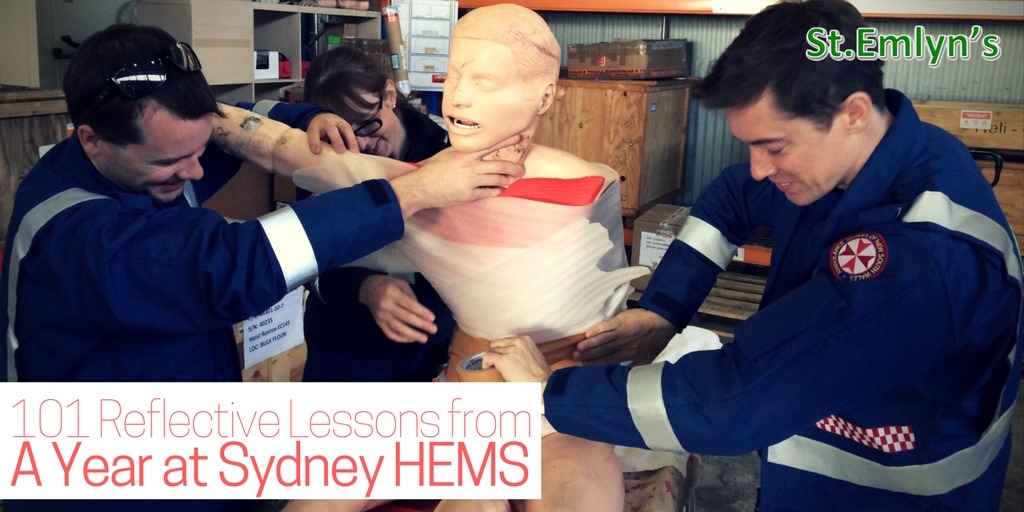
Small interpersonal habits matter when teams work under pressure. In the second Sydney HEMS reflection, Natalie May explores introductions, shared plans, checklists, fatigue and learning from mistakes, showing how everyday communication can support colleagues during demanding retrieval work.
What does an ED handover look like from the other side of the stretcher? Ashley Liebig draws on prehospital experience to discuss respect, a calm reception and uninterrupted communication, then asks teams to agree and practise a shared approach to transferring care.