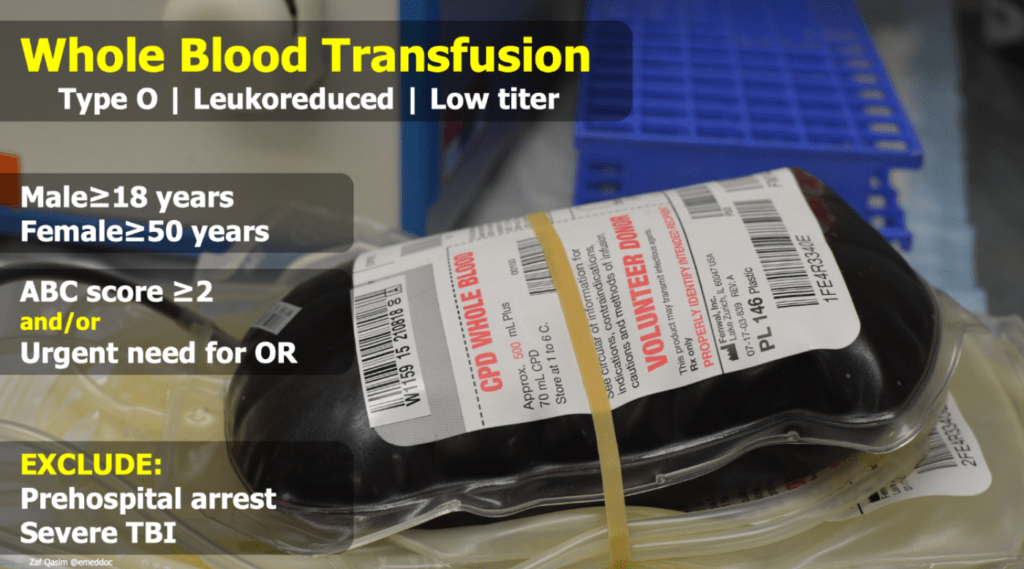
Why return to whole blood in major trauma? Zaf Qasim reviews the military experience, early civilian studies and practical challenges of introducing a whole-blood programme. This 2018 overview considers compatibility, storage and transfusion risks while acknowledging the limits of the evidence for civilian patients.
Does early hypothermia improve outcomes after traumatic brain injury? This review of the 2018 POLAR trial examines its patient selection, cooling strategy and six-month neurological outcomes. It discusses the absence of demonstrated benefit in this population and why the findings cannot answer every question about rescue cooling.
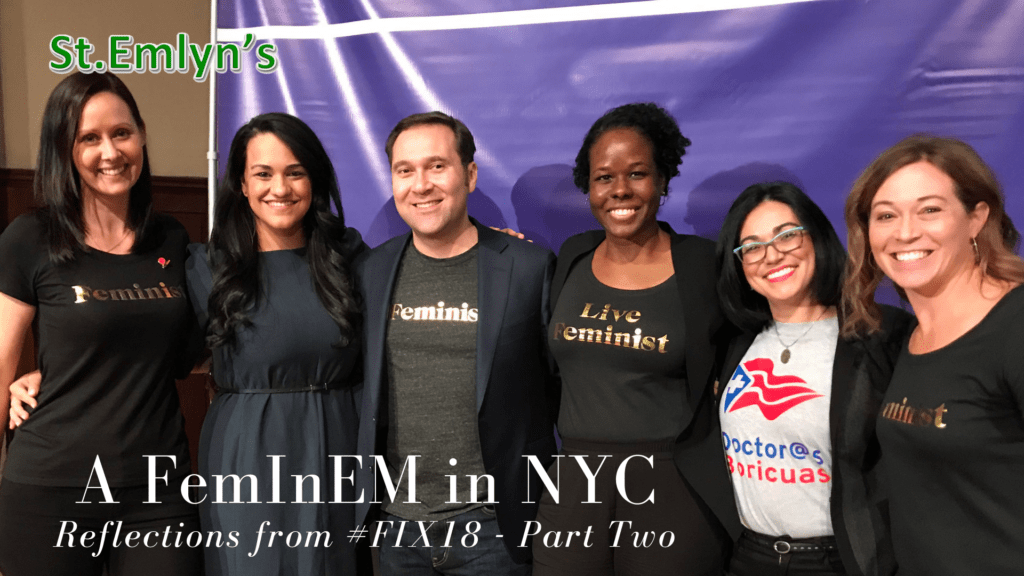
Natalie May continues her reflections from the 2018 FemInEM Ideas Exchange in New York. This instalment explores leadership, negotiation and gender equity, including listening to different perspectives, supporting effective teams and finding the courage to influence change within healthcare organisations.
What does excellence mean for an individual clinician and the team around them? Drawing on her St Emlyn’s Live 2018 talk, Natalie May explores reflection, peer review, clinical governance and workplace culture as ways to pursue continuing improvement rather than an unattainable state of perfection.
Natalie May shares learning from the opening sessions of the 2018 FemInEM Ideas Exchange. Her reflections connect gender equity, racial and gender bias, uncertainty and the human experience of being a doctor, asking how listening to different stories can challenge assumptions and support more inclusive workplaces.
Does cricoid pressure still have a place in rapid sequence induction? Simon Carley appraises a large 2018 randomised trial, weighing aspiration outcomes against difficulties with laryngoscopy. He also considers the limits of applying operating-theatre evidence to emergency department patients and groups excluded from the study.