How do T-MACS, HEART, TIMI and EDACS compare with a troponin-only strategy for suspected cardiac chest pain? This review examines a multicentre study using one high-sensitivity troponin I assay, balancing diagnostic sensitivity and rule-out efficiency against missing data and limits to generalisability.
The October 2019 podcast roundup, accompanied by links to that month's reading. The notes point to CRASH-3 and tranexamic acid in head injury, lower-limb thromboprophylaxis, and reports from the RCEM, European Resuscitation Council and Tactical Trauma conferences.
Can clinical probability guide D-dimer thresholds and reduce imaging for suspected pulmonary embolism? Dan Horner appraises the PEGeD management study, examining follow-up outcomes, assay units, possible selection bias and the limited evidence for moderate-risk patients, with a perspective on applying the findings in different settings.
A November 2019 explanation of CODA's origins and planned direction after SMACC. Simon Carley and the organisers describe a wider healthcare community, a programme spanning medicine, ethics, education and planetary health, and an ambition to turn conference conversations into collective action.
How do intranasal ketamine and fentanyl compare for children with painful limb injuries? This appraisal examines a small randomised trial reporting similar pain relief but more minor adverse events with ketamine, alongside concerns about sample size, trial design and applicability across different clinical settings.
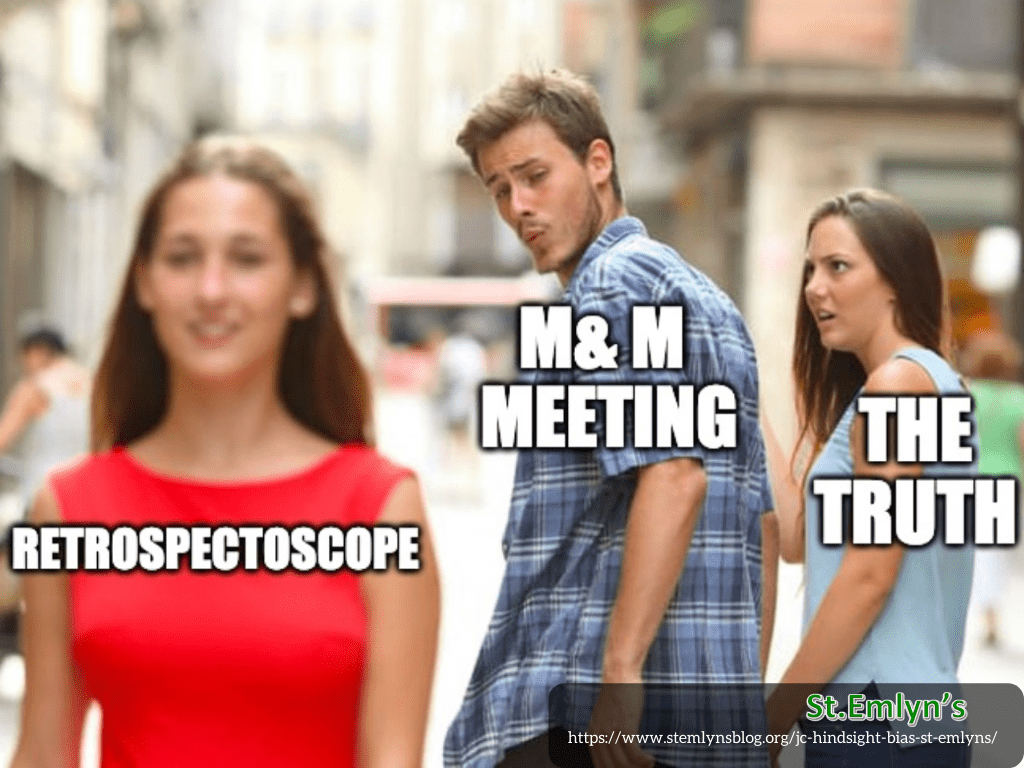
Does knowing that a patient died change how we judge their earlier care? This appraisal examines a study in which clinicians rated the same cases with different outcomes, then considers what hindsight bias means for reflection, feedback and fair discussion of difficult emergency medicine cases.