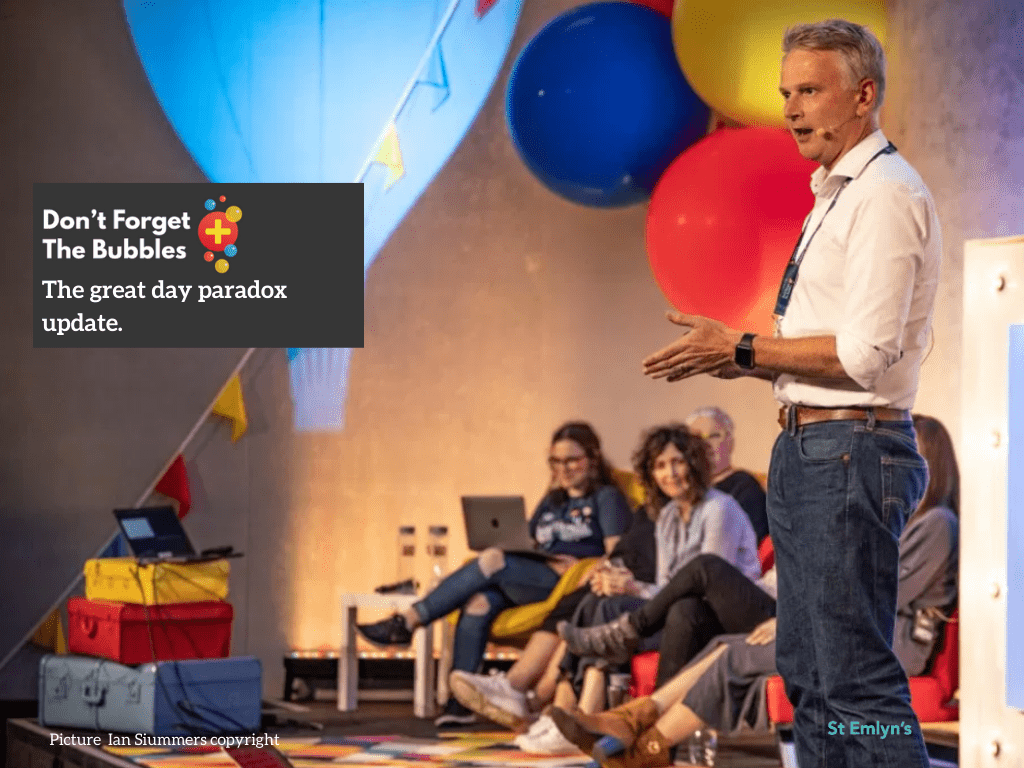
Why can a satisfying day of emergency procedures be a patient's worst day? Simon Carley's DFTB talk and accompanying reflection examine that tension, the motives behind interventions and the emotional support clinicians and learners need when a resuscitation becomes difficult or ends badly.
The November 2019 podcast roundup, with links to the month's articles. The written notes bring together CODA's aims, paediatric intranasal analgesia, hindsight bias, REBOA and emergency medicine wellbeing resources, making it easier to find the accompanying reading.
A 2019 appraisal of rocuronium versus suxamethonium for prehospital rapid-sequence intubation. The review examines first-pass success, the interpretation of a non-inferiority trial and the limits of detecting rare complications, while considering how airway choices depend on the wider clinical setting and available resources.
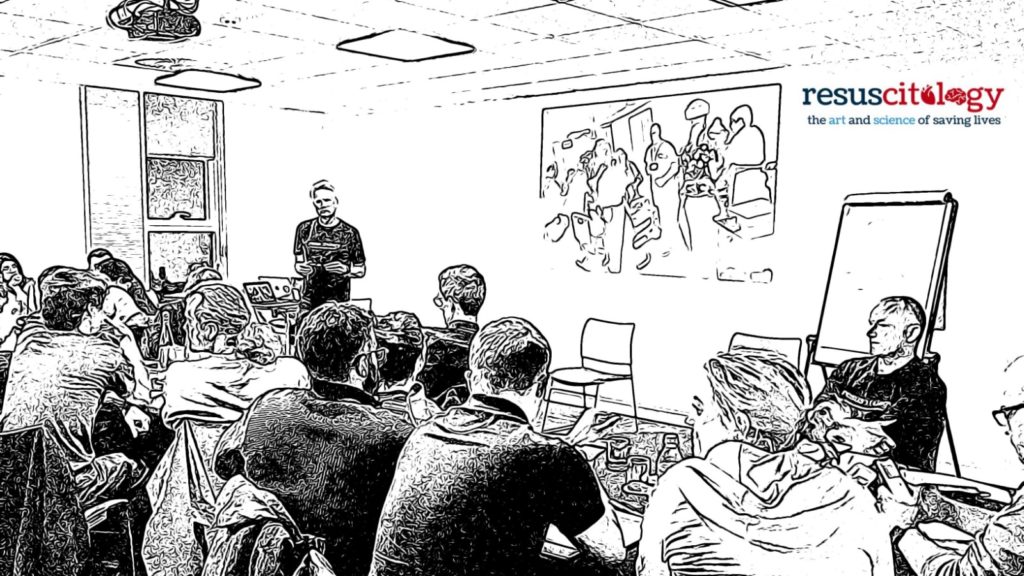
A review of the first UK Resuscitology course in Manchester, using challenging cases to examine how teams think and act during resuscitation. The article introduces STEPS and GPAS analysis, connects them with the Zero Point Survey and shares visual summaries of the learning.
The final day of the 2019 Intensive Care Society State of the Art meeting, with discussions of cardiogenic shock services, sepsis treatment debates and recovery after critical illness. The report also explores blood cultures, oxygen exposure and the challenges of interpreting emerging research.
What does cardiac movement on ultrasound mean when no pulse can be felt? This 2019 review explores pseudo-PEA, its distinction from cardiac standstill and reported outcomes, while highlighting the limited evidence for proposed treatment changes and the need for further research.