A 2020 appraisal of PEPTIC, comparing proton pump inhibitors with H2 receptor blockers for stress-ulcer prophylaxis in intensive care. The review examines mortality and gastrointestinal bleeding outcomes, treatment crossover and competing interpretations of a large pragmatic trial whose clinical implications were debated.
A report from Critical Care Reviews 2020 on the IHME study estimating the global burden of sepsis. It explores geographical and age-related differences, reliance on records and modelling, and why estimates of sepsis-associated deaths do not establish how many deaths were preventable.
Day-one highlights from Critical Care Reviews 2020, including TRACT, COACT, SPICE III, HYPERION and ICU-ROX. The report brings together discussions of transfusion, cardiac arrest, sedation and oxygen therapy, alongside questions about trial design and how clinicians interpret research.
A first look at the 65 trial as presented at Critical Care Reviews 2020. The review examines lower blood-pressure targets in older intensive care patients with vasodilatory hypotension, reduced vasopressor exposure and uncertainty around mortality, with a discussion of interpretation beyond statistical significance.
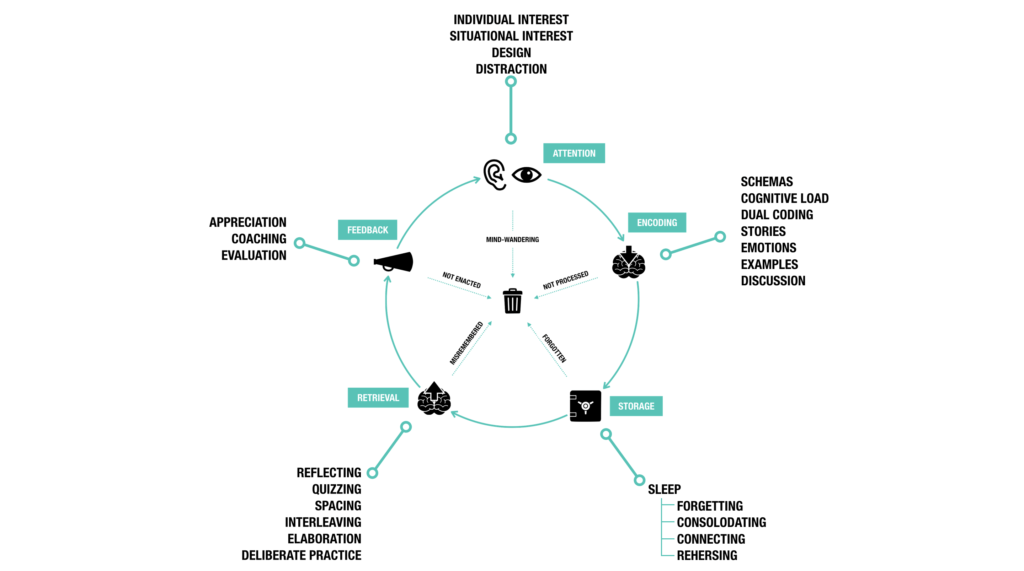
Which ideas from learning science should shape medical education? Nick Smith reviews cognitive load, dual coding, retrieval practice, spacing, interleaving and feedback, while questioning familiar approaches such as learning styles. A reflection on how evidence about learning translated into teaching during the 2010s.
The 2019–2020 St Emlyn's journal club book brings together more than 30 critical appraisals, with links to downloadable editions. The introduction encourages readers to compare interpretations, revisit disputed studies such as CRASH-3 and use the collection to start evidence-based discussions with colleagues.