How can an engaging presentation lead to deeper learning rather than simply entertain? The final part of Simon Carley’s medutainment series considers delivery, follow-up learning and the risks of weak content, uncritical admiration, neglected everyday topics and commercial influence in medical education.
Why did entertainment become a more visible part of medical education? In this 2015 reflection, Simon Carley considers digital access to information, reusable online resources and changing conference expectations, arguing that stories and engaging delivery can help learners think beyond memorising facts.
What does medutainment mean, and where did it come from? Simon Carley introduces the blend of medicine, education and entertainment, tracing examples from public health broadcasting and medical demonstrations while making the case for engagement as one approach to teaching, rather than the only approach.
Does apnoeic oxygenation reduce desaturation during intubation of critically ill adults? This 2015 appraisal of the FELLOW trial examines its ICU population, oxygen-saturation outcomes and methodological limitations, asking how far the findings can be applied to emergency department airway practice.
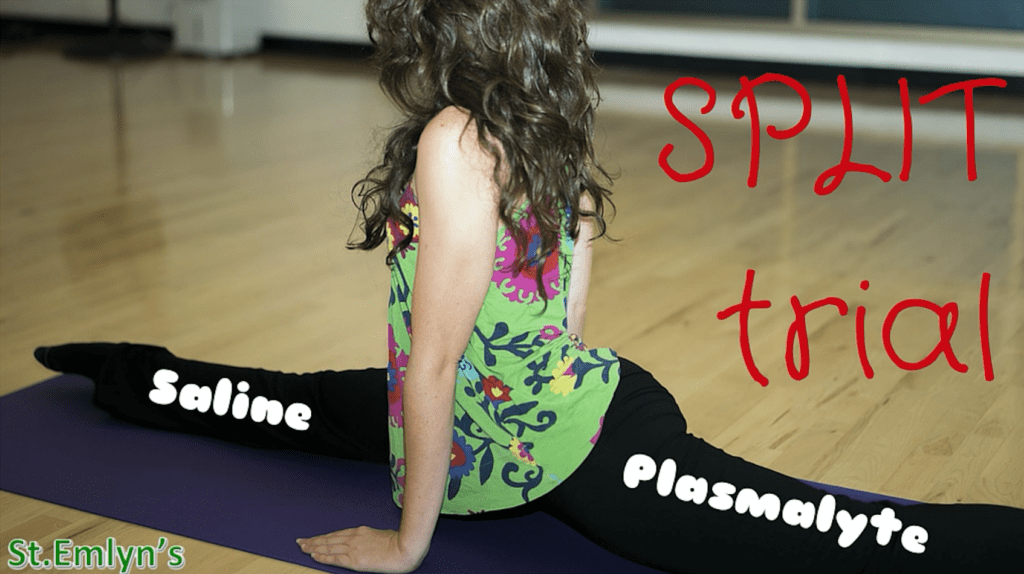
The 2015 SPLIT trial compared saline with Plasma-Lyte in intensive care patients. This appraisal explains its crossover design and kidney-injury outcomes, then considers statistical power, fluid given before ICU admission and the limits of applying the results to emergency department patients or other balanced solutions.
Could an emergency department visit create an opportunity to improve longer-term health? Natalie May’s 2015 RCEM teaching notes explore behavioural economics, brief conversations, injury prevention and local public health partnerships, while considering clinicians’ own habits and the importance of respecting patients’ choices.