A historical review of the 2016 RCEM guidance on acute behavioural disturbance in the emergency department. The post discusses de-escalation, the risks of restraint, sedation, assessment for underlying illness and early senior involvement when severe agitation accompanies physiological instability.
How can clinicians support a bleeding trauma patient while definitive haemorrhage control is being arranged? This 2016 discussion explores resuscitation physiology, fluids, vasopressors and treatment endpoints, setting out the authors’ perspective while acknowledging limited evidence and the importance of the wider trauma system.
A patient’s chest pain has resolved and the emergency department ECG looks relatively reassuring. This teaching case asks what information might still be missing, using the contrast with an earlier ambulance tracing to explore dynamic ECG changes and the importance of clinical detective work.
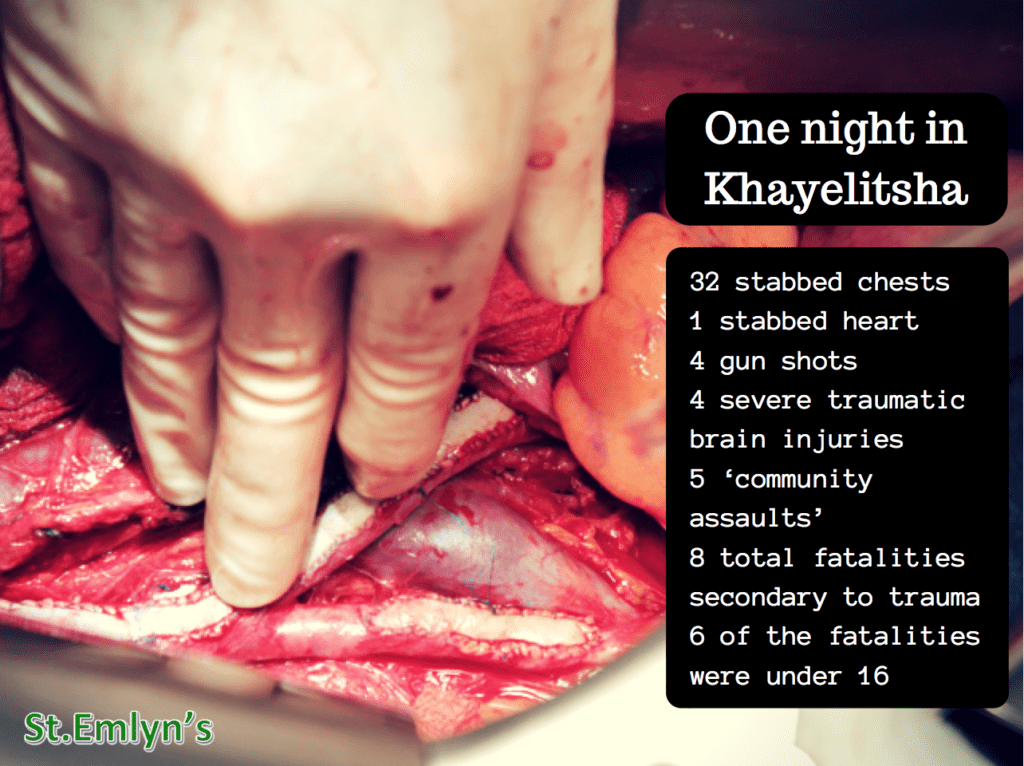
Robert Lloyd reflects on three months working in South Africa and the effect of acute stress on his clinical performance. He describes how repeated practice, mental rehearsal, preparation, self-talk and breathing helped him cope, then considers how simulation might prepare others for pressure.
Does hypertonic saline offer better outcomes than mannitol after traumatic brain injury? This 2016 appraisal explores the limited comparative evidence, distinguishes changes in intracranial pressure from outcomes that matter to patients and considers the uncertainty surrounding temporary treatment before definitive care.
Following Prince’s death in 2016, Rick Body reflects on what clinicians might learn from his response to a rain-soaked performance. The post connects resilience, humour and hope with the emotional tone we bring to patients and colleagues during difficult times in healthcare.