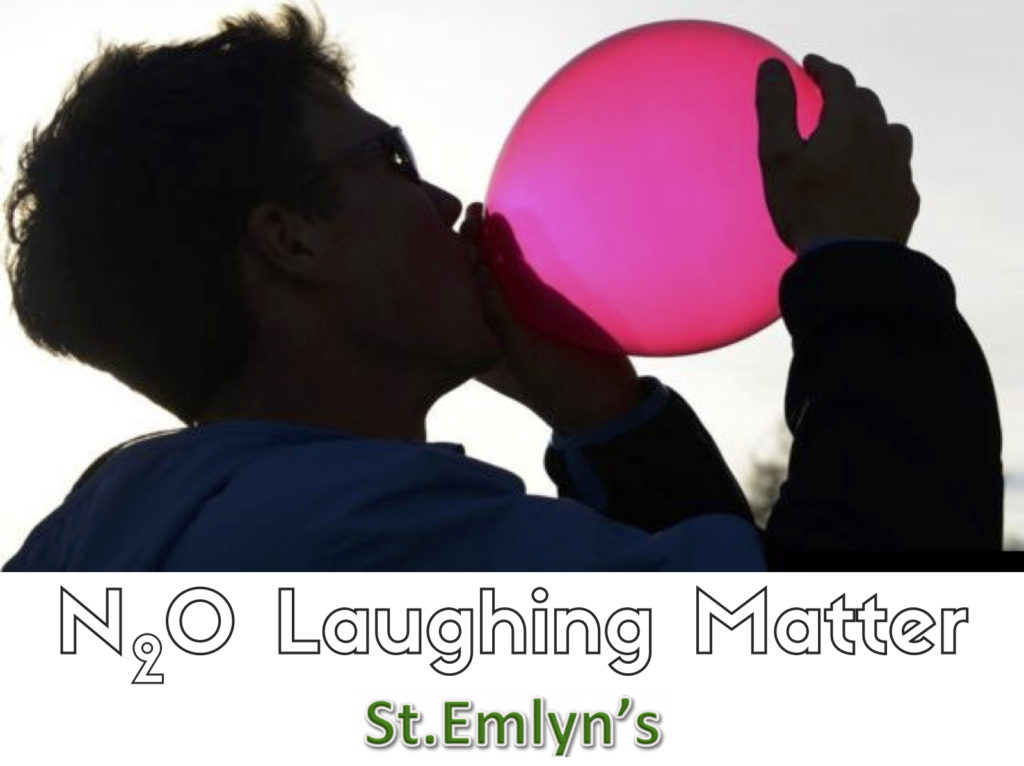
Recreational nitrous oxide use can be easy to overlook when taking a drug history. This 2016 overview examines acute hypoxia and the neurological and haematological consequences associated with disrupted vitamin B12 function, drawing attention to presentations that may initially seem unrelated.
What should we make of a frightening episode in a baby who now looks well? This 2016 teaching post explores the change from ALTE to BRUE terminology, careful history-taking, alternative explanations and risk assessment, with attention to parents’ concerns and safety-netting.
What does counting conference speakers reveal about gender equity? This 2016 report examines EM programmes from 2014–2015, comparing women’s representation with the specialist workforce and considering speaking time, methodological limitations and the questions that simple headcounts leave unanswered.
Ashley Voss-Liebig reflects on how research into conference speakers challenged her assumptions about women’s participation in emergency medicine. This 2016 commentary moves beyond speaker numbers to ask how mentoring, visible role models and removing barriers might support women’s careers in the specialty.
Better communication begins with understanding how others experience us. Drawing on the SMACC communication workshop, this post and accompanying podcast explore listening, signposting, silence, manageable chunks of information and responding compassionately when people struggle to absorb difficult news.
Are we teaching today’s learners in ways that only suited our own training? In this 2016 conference companion, Natalie May considers generational assumptions and argues for active learning, supportive supervision and thoughtful use of online resources in medical education.