How should trainee experience shape emergency medicine research priorities? Rob Hirst describes TERN's 2020 priority-setting project, explains the Delphi consensus process and considers why the questions trainees encounter may differ from those emphasised by other professional groups.
How well do guidelines identify meningococcal disease in children with fever and a non-blanching rash? Natalie May reviews the PiC study, examining sensitivity, overtreatment and what happened when clinicians departed from protocols, while keeping the study population and limitations in view.
Trauma and coagulopathy are the focus of Iain and Simon's October 2020 round-up. The episode notes link to appraisals of prehospital TXA, plasma in traumatic brain injury, targeted transfusion testing and other clinical topics, alongside a conversation about coping with the second pandemic wave.
Drawing on Simon Mardel's outbreak experience, this November 2020 article examines infection control during the second COVID-19 wave. It considers crowding, fatigue, workplace hierarchy and the systems needed to help staff protect patients and colleagues, rather than relying on individual vigilance alone.
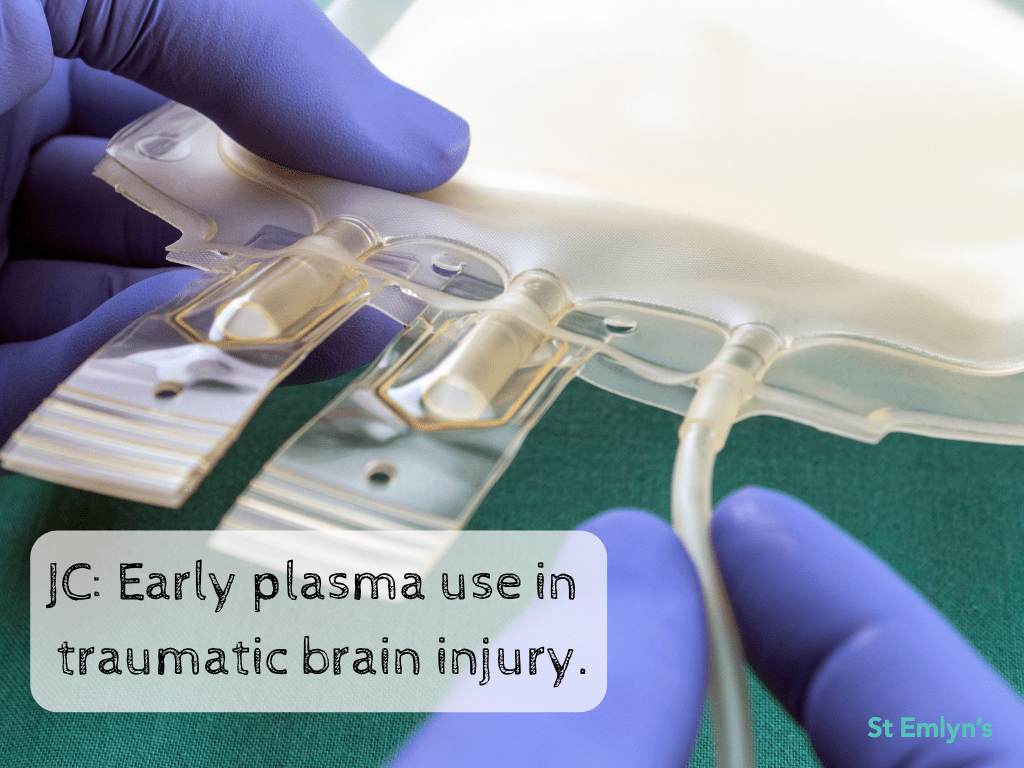
Could early prehospital plasma help trauma patients with brain injury? This 2020 review examines a secondary analysis of PAMPer, its apparent survival signal and why post-hoc findings, uncertain mechanisms and unanswered neurological-outcome questions require caution before changing practice.
Could carotid ultrasound make pulse checks more reliable? Natalie May examines a proof-of-concept study using recordings from patients undergoing cardiac surgery, and explains why interpreting those images is a different challenge from obtaining and using them during a real cardiac arrest.