Who needs thromboprophylaxis after lower-limb immobilisation? This 2012 discussion introduces College of Emergency Medicine guidance, considers the evidence for ambulatory trauma patients and argues for individual VTE risk assessment rather than treating every plaster cast in the same way.
What can the capnography trace tell a resuscitation team beyond airway position? This 2012 reflection explores its use in assessing compressions, recognising possible return of circulation and informing difficult decisions, while emphasising the limitations of interpreting end-tidal carbon dioxide in isolation.
Does tissue oxygen monitoring add useful information in sepsis? This 2012 journal club examines a small observational study of StO2, asking whether it contributes beyond lactate and conventional observations, and distinguishing an association with survival from evidence that monitoring improves patient care.
How much difference does an individual emergency physician make? Simon Carley uses the idea of a personal number needed to treat to explore teamwork, meaningful outcomes and professional worth, before proposing a more useful comparison: whether you are improving on your own previous practice.
Can clinicians trust the calculations and recommendations in medical apps? This 2012 discussion examines quality assurance, professional responsibility and the emerging debate over software as a medical device, highlighting why app-store availability and peer recommendations alone may offer insufficient reassurance.
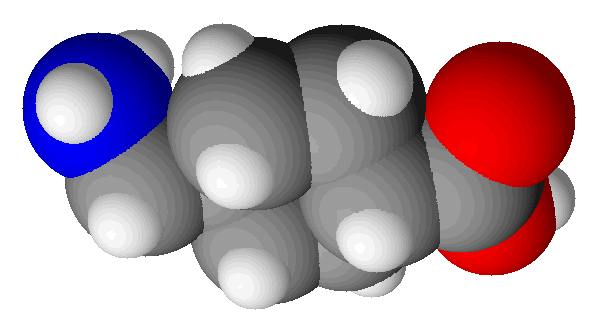
Does the benefit of tranexamic acid vary with a trauma patient's risk of death? This 2012 journal club discusses a CRASH-2 subgroup analysis, its implications for patient selection and the uncertainties then surrounding use before arrival at hospital.