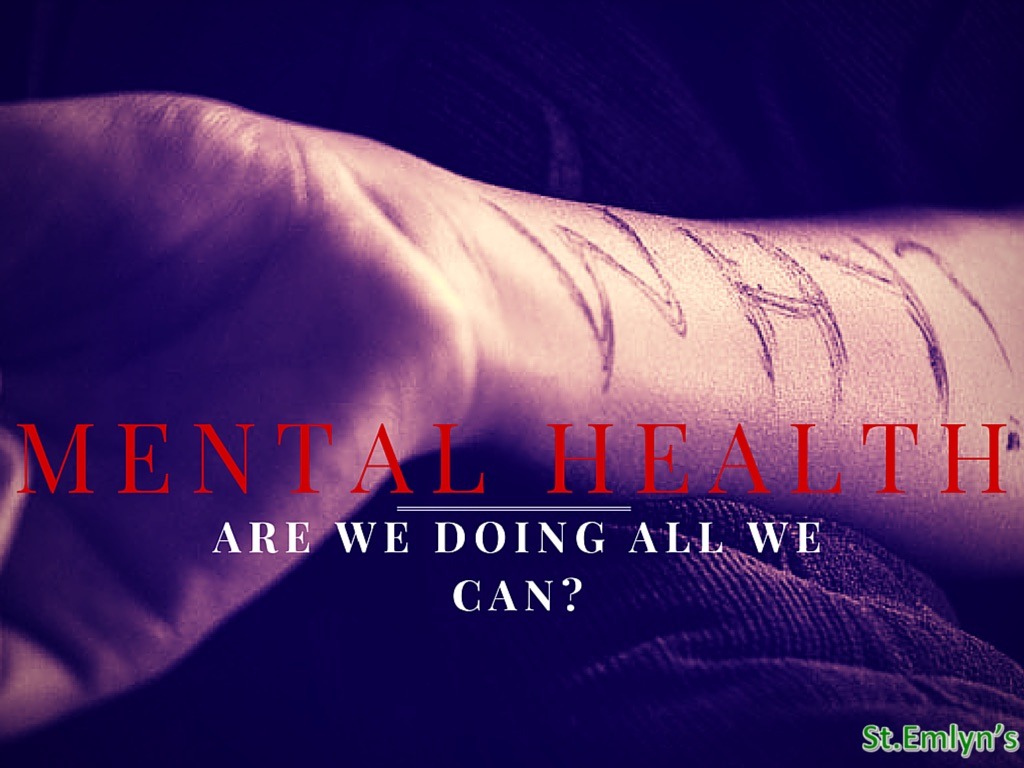
Are emergency departments giving people with mental health problems the attention and compassion they need? This 2015 reflection challenges dismissive attitudes, considers assessment and follow-up for adults and children, and argues that stretched services do not remove the responsibility to treat patients with dignity and respect.
A short teaching challenge becomes a 2015 review of sticky eyes in children, from newborns to school-age patients. Natalie May combines age-specific considerations, examination and follow-up with reflections on fitting useful clinical teaching into a few minutes, supported by slides and a recorded presentation.
Iain Beardsell and Simon Carley follow a patient with acute asthma through assessment, treatment and disposition in this 2015 induction podcast. The case-based discussion explores recognising severity, reassessment, seeking senior support and planning discharge, including inhaler technique, follow-up and advice about returning if concerns persist.
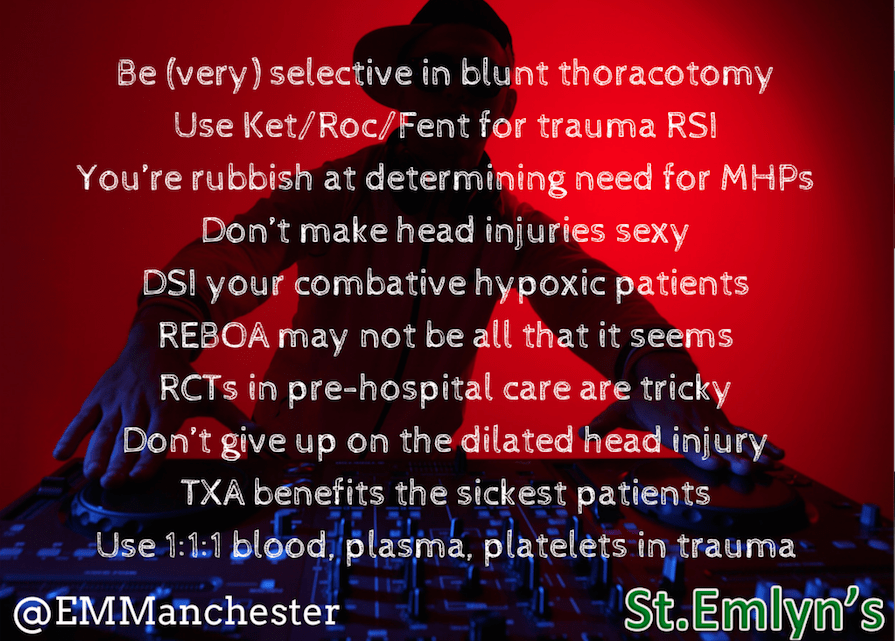
Simon Carley selects ten trauma papers from 2014–2015, with an accompanying discussion with Simon Laing. The review spans transfusion, brain injury, prehospital care, airway management, haemorrhage prediction and thoracotomy, linking to the original studies and highlighting questions raised by this period’s trauma research.
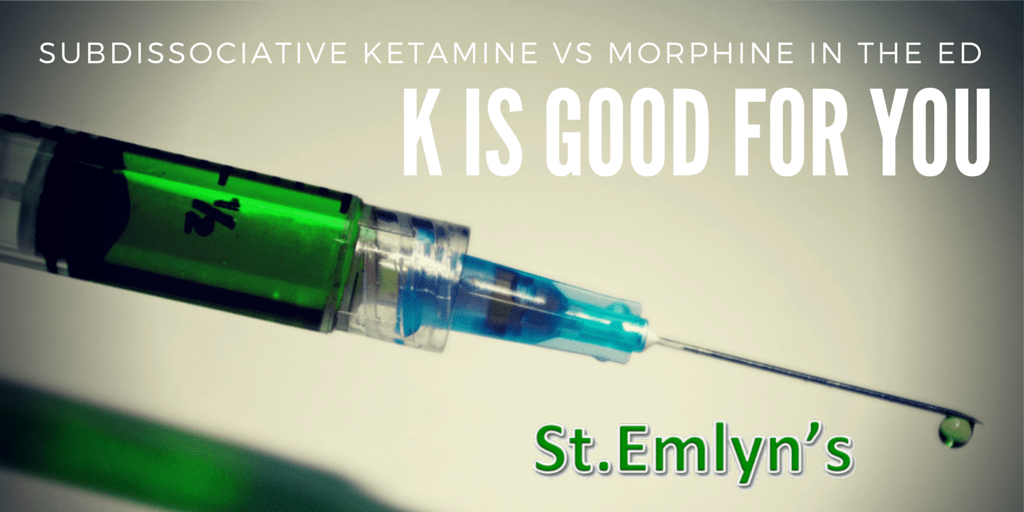
Can a subdissociative dose of ketamine provide comparable pain relief to intravenous morphine? This 2015 journal club examines a small emergency department trial, considering pain scores, rescue analgesia, adverse effects and blinding, while explaining why failure to find a difference does not establish equivalence.
An archived preview of St Emlyn’s contributions to SMACC Chicago 2015, covering clinical judgement, paediatrics, medical error, troponin, compassion and education. The post captures the team’s preparations and enthusiasm for the meeting, with links to the original programme and earlier conference recordings.