What might emergency clinicians learn from Sun Tzu’s The Art of War? This reflective essay applies ideas about preparation, self-awareness, teamwork and adaptability to the pressures of emergency care, treating organisational challenges as the adversary and explicitly rejecting the idea that patients are enemies.
How did sepsis guidance respond to ProMISe, ProCESS and ARISE? This 2015 commentary examines changes to the Surviving Sepsis Campaign care bundles, particularly the shift away from mandatory central venous targets, and considers the resulting choices around assessing circulation and response to treatment.
How can emergency departments reduce delays for patients who need transfer for primary PCI? This 2015 account of Manchester’s DIDO-30 project examines early ECG recording, recognition and escalation, with practical ideas for improving pathways through staff feedback, shared responsibility and rehearsing the whole process.
Can a trauma team leader’s early judgement predict which patients will need massive transfusion? Simon Carley examines a 2015 study comparing clinical gestalt with scoring systems, questioning the outcome definition, selection of patients and the limits of relying on a single early assessment.
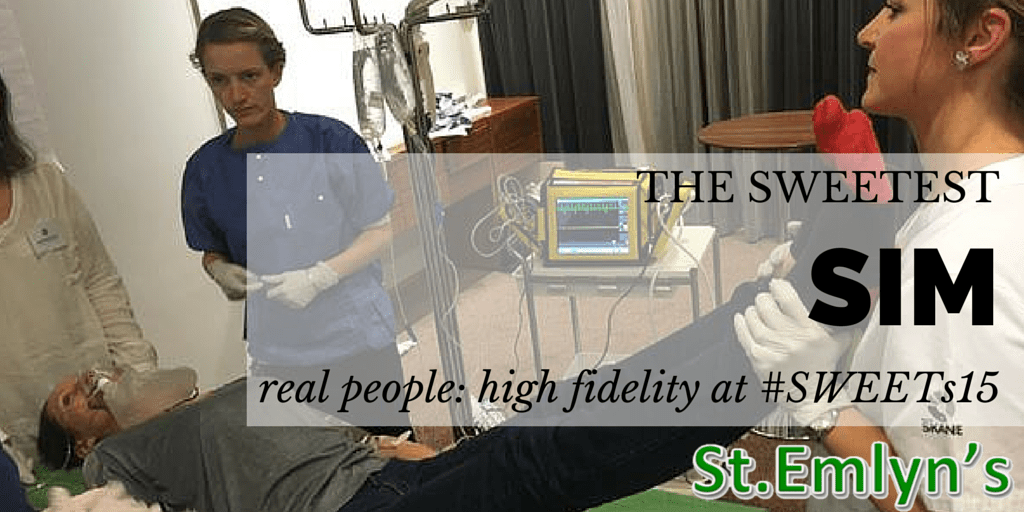
What changes when the simulated patient is a person rather than a mannequin? After playing a patient at SWEETs 2015, Natalie May reflects on explanations, emotional needs and patient feedback, alongside the educational benefits of clinician actors and the responsibility to protect their comfort and safety.
Ross Fisher discusses gaps in paediatric trauma research and why children need more than scaled-down adult care in this London Trauma Conference podcast. Published in 2015, the accompanying notes cover imaging questions, opportunities to contribute to research and a shared interest in clearer, more focused presentations.