What happens to circulation when we give intravenous fluid, and how can we tell whether it has helped? This 2015 physiology review connects Frank–Starling and Guyton models with fluid responsiveness, examining the limitations of routine observations and the role of cardiac output assessment.
A look back at the 2015 EuSEM congress in Turin, with highlights from emergency medicine education, paediatric analgesia, cardiac diagnostics, airway management and simulation. Janos Baombe also reflects on international collaboration and sessions addressing the migrant and human trafficking crisis in Europe.
This October 2015 announcement introduces the James Lind Alliance and RCEM emergency medicine research priority-setting partnership. It explains why patients, carers and clinicians were invited to identify unanswered questions together, and how that process aimed to shape research priorities beyond individual researchers’ interests.
An archived October 2015 announcement about registration for SMACC Dublin in 2016. The post outlines the planned ticket releases, workshops and practical arrangements, capturing the build-up to the conference rather than providing information about a current booking opportunity.
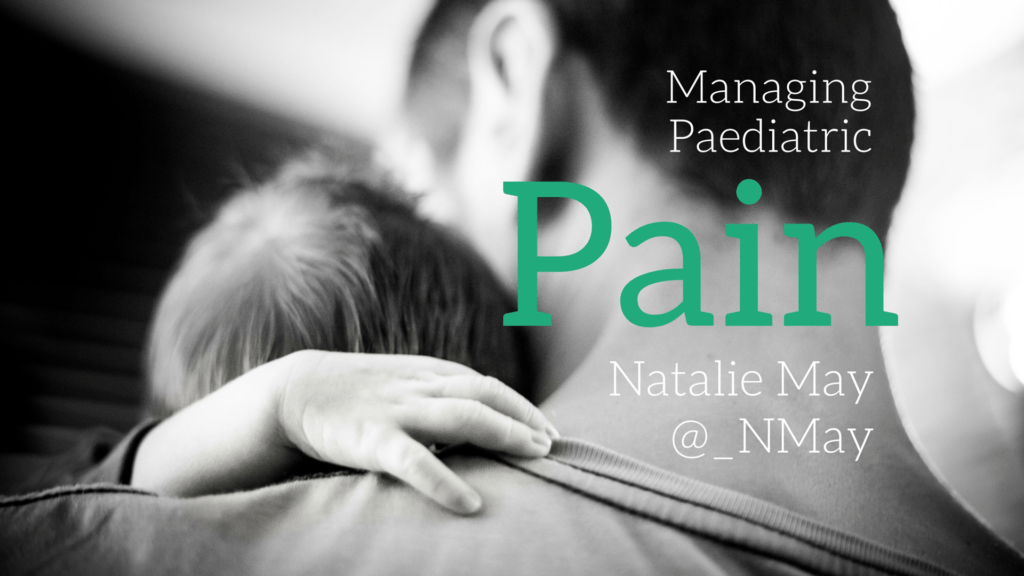
Natalie May’s 2015 EuSEM teaching notes explore why treating children’s pain involves more than choosing a drug. The discussion brings together analgesia, preparation for procedures, communication, parental support and distraction, with particular attention to the fear and distress surrounding an emergency department visit.
A rapid review of selected paediatric emergency medicine papers from 2015, presented at the Irish Association of Emergency Medicine conference. Natalie May examines research on trauma assessment, serious infection, cardiac arrest, bronchiolitis and procedural anxiety, highlighting limitations as well as possible implications for practice.