An introduction to educational theories relevant to teaching in emergency and critical care. Prepared for the 2015 Teaching Course in New York, this collection links learning, assessment, deliberate practice and communities of practice, while encouraging educators to question theories rather than treat them as fixed rules.
The EUROTHERM trial tested therapeutic hypothermia for raised intracranial pressure after traumatic brain injury and stopped early after evidence of harm. This 2015 appraisal examines neurological outcomes, trial design and why the timing and position of cooling within an escalation strategy matter when interpreting the results.
A personal reflection on looking after yourself during a career in emergency medicine. Janos Baombe shares ideas about rest, relationships, emotions, interests outside work and asking for help, explicitly presenting them as lessons from experience rather than an evidence-based mental health treatment guide.
What happens to circulation when we give intravenous fluid, and how can we tell whether it has helped? This 2015 physiology review connects Frank–Starling and Guyton models with fluid responsiveness, examining the limitations of routine observations and the role of cardiac output assessment.
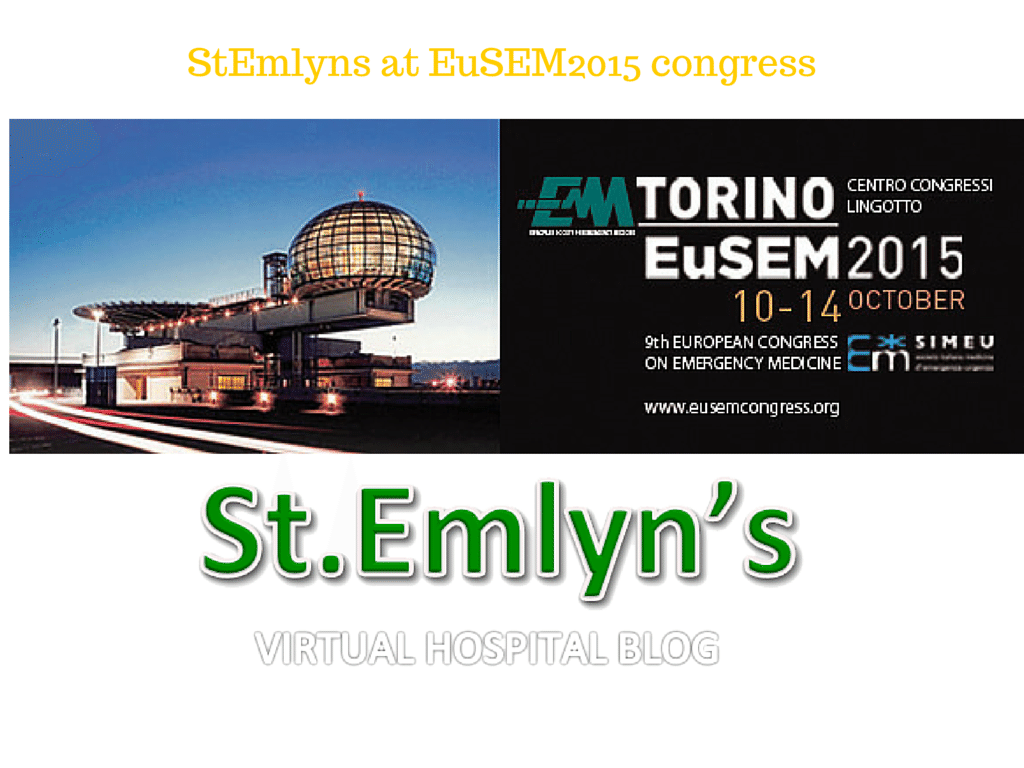
A look back at the 2015 EuSEM congress in Turin, with highlights from emergency medicine education, paediatric analgesia, cardiac diagnostics, airway management and simulation. Janos Baombe also reflects on international collaboration and sessions addressing the migrant and human trafficking crisis in Europe.
This October 2015 announcement introduces the James Lind Alliance and RCEM emergency medicine research priority-setting partnership. It explains why patients, carers and clinicians were invited to identify unanswered questions together, and how that process aimed to shape research priorities beyond individual researchers’ interests.