A 2017 Northern Emergency Medicine conference companion introduces eleven papers on resuscitation, trauma, paediatric asthma and clinician wellbeing. Short appraisals and links to fuller discussions encourage readers to look beyond headline results before deciding what the findings mean for their patients.
How can an ED make its leadership and development roles clearer? Southampton’s collaboratively written leadership portfolio sets out duties, accountability and allocated time, helping consultants and specialty doctors use job planning to agree expectations and review their non-clinical work.
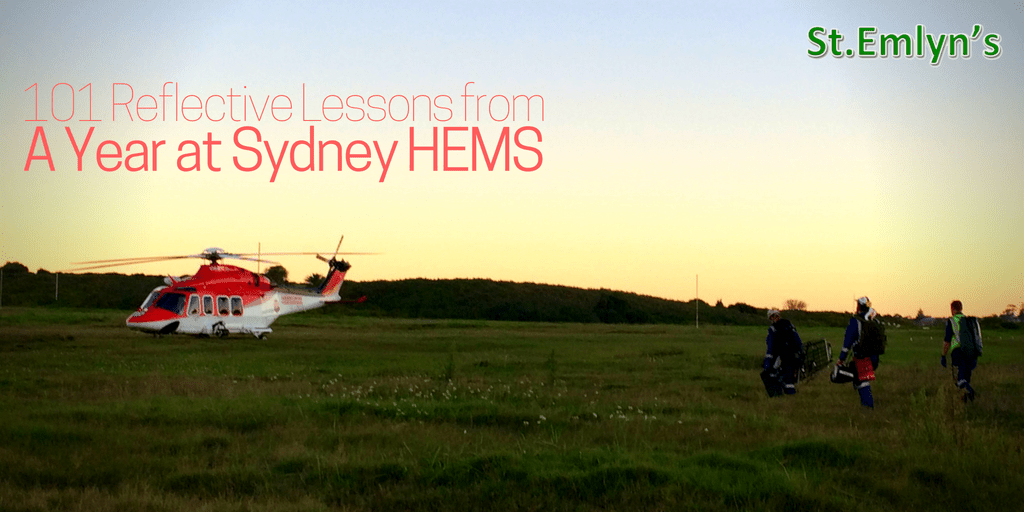
What can a year with Sydney HEMS teach an emergency medicine educator? Natalie May reflects on trust, training with the people you work alongside, purposeful simulation and shared learning, including how teams can turn clinical governance and debriefing into useful educational experiences.
The St Emlyn’s team looks back on 2016 through clinical successes, teaching experiences, research milestones and personal moments. These reflections share the people, ideas and learning opportunities that mattered to the contributors, alongside hopes for the year ahead.
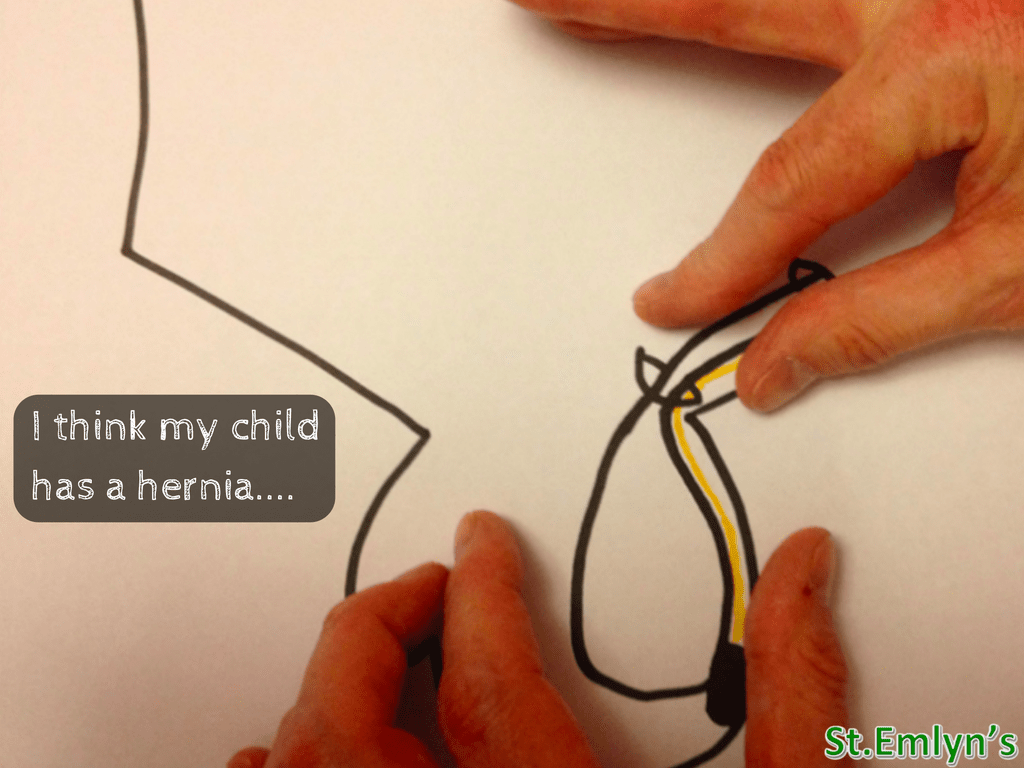
An infant with a groin swelling can present a difficult assessment for the emergency clinician. This 2016 paediatric surgery primer explains the relevant anatomy, history and examination, distinguishing hernias from hydroceles and discussing management and specialist involvement, with recognition of local practice differences.
Could selected patients with uncomplicated appendicitis receive antibiotics without a hospital admission? This 2016 appraisal examines a small pilot trial, questioning its mixed treatment comparison, restrictive eligibility and what feasibility findings can establish before a larger, more definitive study.