How can feedback help clinicians and teams improve? Drawing on a 2018 conference session in Graz, Simon Carley distinguishes appreciation, coaching and evaluation. He explores receiving difficult feedback, agreeing its purpose, peer observation and the practical choices that make a conversation more useful.
What can early pupil responses tell us after cardiac arrest? This 2018 review examines a large French observational study, separating association with outcome from the ability to predict an individual patient’s recovery. It challenges decisions based on a single early finding and considers how prognosis is discussed.
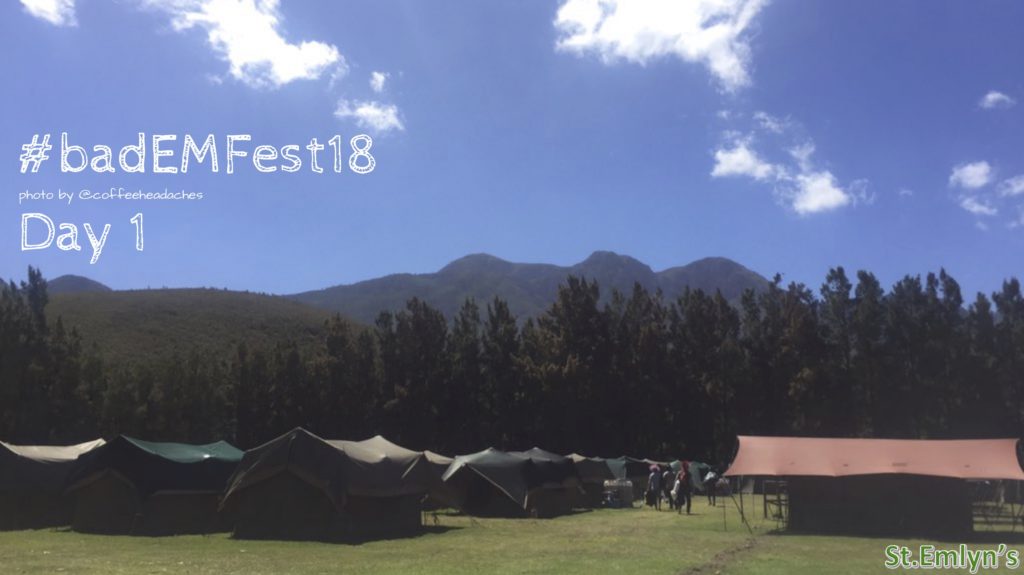
The opening day of badEMfest 2018 puts equality, advocacy and African-led solutions at the centre of emergency care. This report brings together discussions of traditional medicine, respectful transgender care, point-of-care ultrasound and resuscitation, asking how local context and unequal access shape what clinicians can achieve.
This archived announcement introduces the first St Emlyn’s Live conference, scheduled for Manchester on 9 October 2018. It outlines the meeting’s focus on evidence, clinical excellence, the philosophy of emergency care and wellbeing, with early speaker introductions and the educational aims behind the event.
What makes a teaching course useful back in the clinical workplace? This report from Cape Town’s Teaching CoOp in 2018 explores presentation skills, educational theory, bedside teaching and simulation. It highlights supportive learning cultures, understanding learners’ reasoning and making practical teaching work with available resources.
Chris Wearmouth reflects on working in rural South Africa after foundation training. His 2018 account explores resource constraints, responsibility, supervision and the limits of competence, alongside the value of reciprocal teaching and sustainable improvement. It offers a candid perspective on both the opportunities and the personal costs of working abroad.