SALT-ED compared balanced crystalloids with saline in adults admitted from the emergency department to non-critical-care beds. This 2018 appraisal distinguishes the neutral primary outcome from the signal in kidney outcomes, examining pragmatic trial design, follow-up and the limits of applying one centre’s findings more widely.
Did the SMART trial settle the debate about balanced fluids and saline in intensive care? This 2018 journal club examines its cluster-randomised design, small difference in a composite kidney outcome and interpretation of mortality findings. It asks how much weight clinicians should give the results.
Rusty Carroll shares a personal account of post-traumatic stress in emergency care, describing its effects on work, relationships and everyday life. His reflection explores recognising distress, seeking help and the importance of family, colleagues and a workplace culture that supports staff through psychological injury.
Can inhaling an alcohol swab ease nausea in the emergency department? This 2018 appraisal examines a small trial comparing isopropyl alcohol and oral ondansetron combinations. It considers symptom relief, difficulties with blinding and sampling limitations, explaining why the findings do not establish a replacement for established antiemetic treatment.
This archived announcement introduces Manchester’s Teaching Co-Operative Course on 10–12 October 2018. It outlines a practical approach to clinical education, connecting learning theory with bedside teaching, presentations, simulation, feedback and wellbeing, and introduces the international faculty behind the three-day programme.
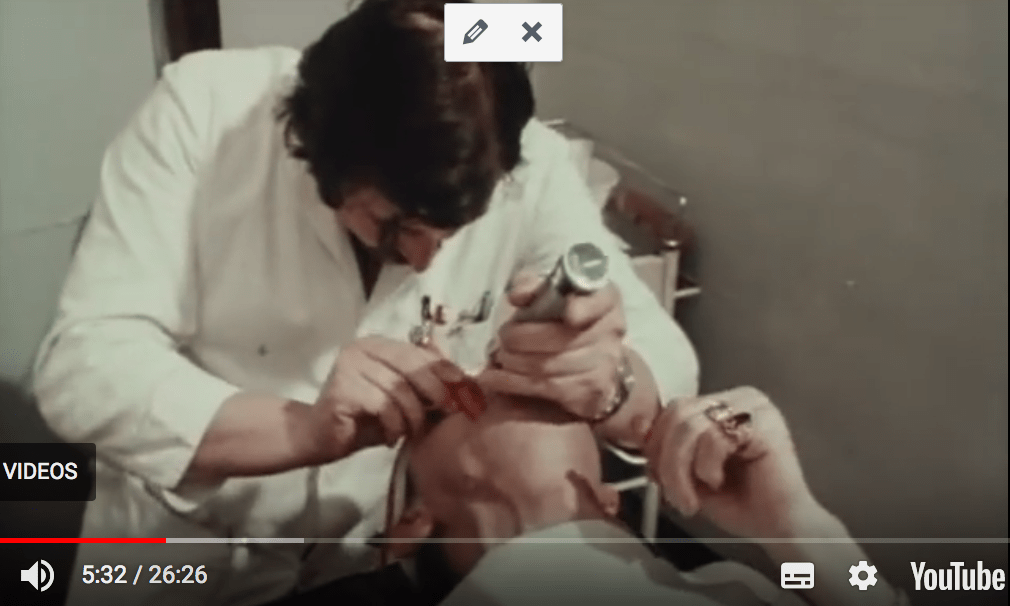
A film of a 1970s casualty department prompts reflection on how emergency medicine has changed. Simon Carley contrasts advances in staffing, skills and facilities with familiar pressures, while noticing calm teamwork, teaching and public health advice in a very different clinical environment.