Iain Beardsell shares lessons from ten years of trauma team leadership, based on his 2022 RCEM CPD presentation. The post follows preparation, patient arrival and progression towards definitive care, with an emphasis on communication, checklists, practice and feedback.
Why might a bleeding trauma patient have a slow heart rate? Rich Carden explores the Bezold-Jarisch reflex, its proposed role in bradycardia during haemorrhage and the danger of assuming that an absence of tachycardia means an absence of blood loss.
Anisa Jafar and Anthony Joseph work through a pregnant trauma patient's arrival, assessment and resuscitation. This 2021 overview covers team preparation, pregnancy-specific physiological considerations, fetal monitoring and obstetric complications, with maternal resuscitation at the centre of the approach.
What can a specialist prehospital service teach us about a rare emergency airway procedure? This review of London Air Ambulance's 20-year cricothyroidotomy experience separates procedural success from patient survival and considers the implications for training, preparation and interpreting retrospective data.
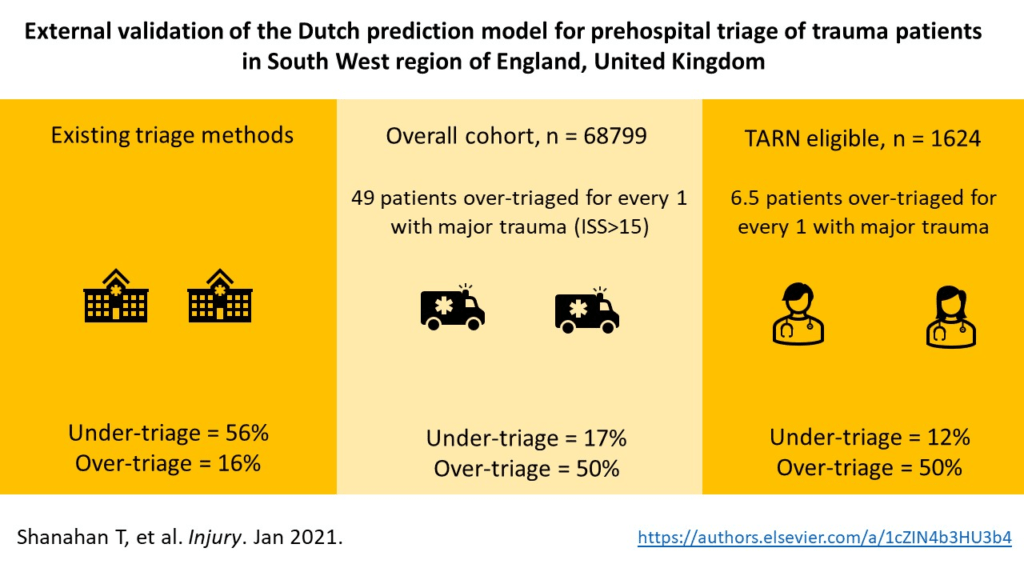
Can a Dutch prediction model improve prehospital major trauma triage in the UK? Tom Shanahan explains its retrospective external validation, the tradeoff between missed major trauma and over-triage, and why prospective testing and practical evaluation are needed before implementation.
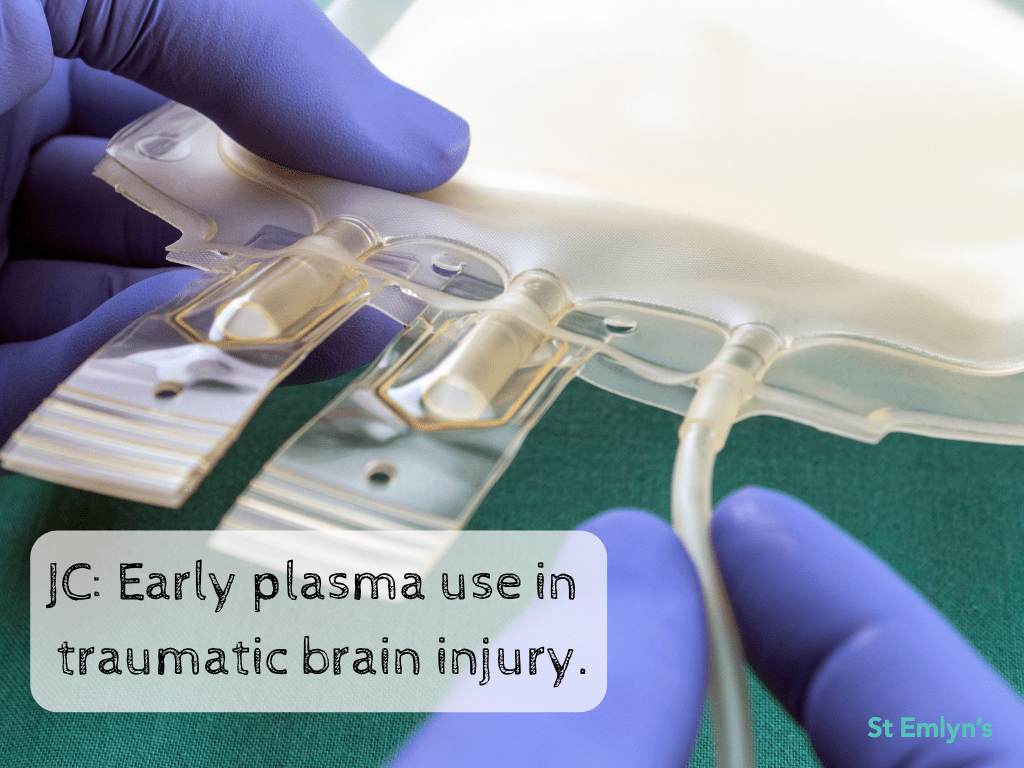
Could early prehospital plasma help trauma patients with brain injury? This 2020 review examines a secondary analysis of PAMPer, its apparent survival signal and why post-hoc findings, uncertain mechanisms and unanswered neurological-outcome questions require caution before changing practice.