Should major trauma imaging start with whole-body CT or a selective approach? This 2016 review of REACT-2 examines mortality, imaging speed and radiation exposure, while questioning exclusions, overlapping imaging between groups and whether a trial finding no difference establishes equivalence.
Simon Carley introduces a 2016 paper he co-authored on impact brain apnoea, drawing on observations from motorsport and prehospital care. The post also honours John Hinds’ contribution to the work and reflects on how clinicians’ shared experiences can prompt research questions.
How can clinicians support a bleeding trauma patient while definitive haemorrhage control is being arranged? This 2016 discussion explores resuscitation physiology, fluids, vasopressors and treatment endpoints, setting out the authors’ perspective while acknowledging limited evidence and the importance of the wider trauma system.
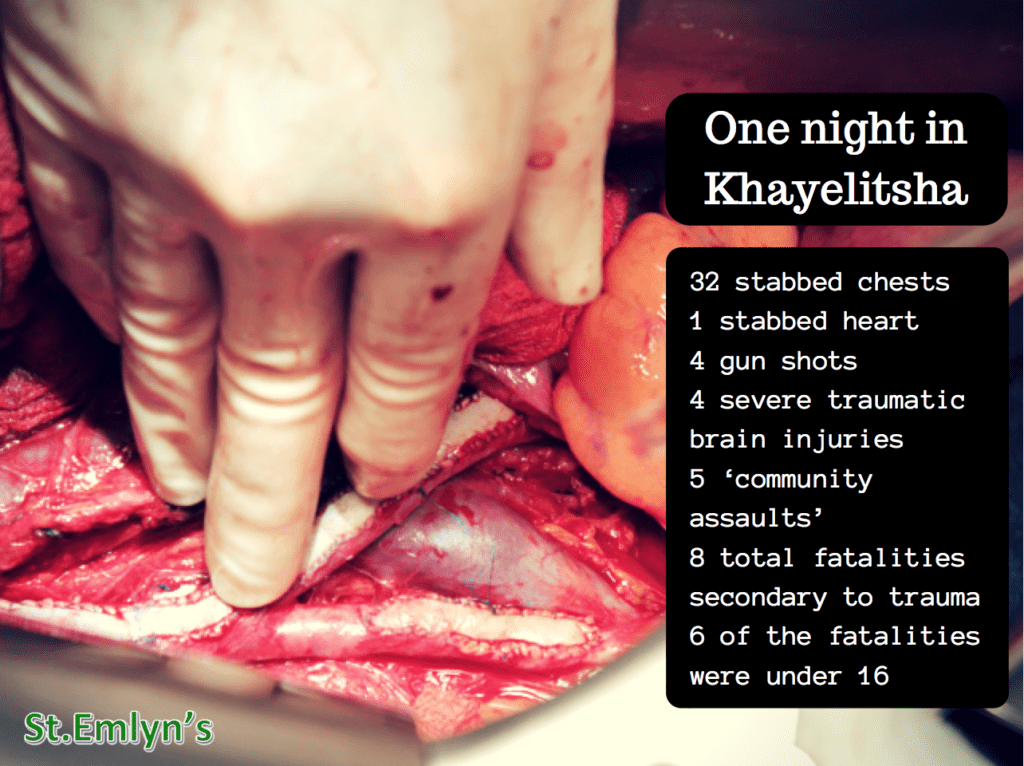
Robert Lloyd reflects on three months working in South Africa and the effect of acute stress on his clinical performance. He describes how repeated practice, mental rehearsal, preparation, self-talk and breathing helped him cope, then considers how simulation might prepare others for pressure.
Does hypertonic saline offer better outcomes than mannitol after traumatic brain injury? This 2016 appraisal explores the limited comparative evidence, distinguishes changes in intracranial pressure from outcomes that matter to patients and considers the uncertainty surrounding temporary treatment before definitive care.
Why did European and UK trauma guidelines published in 2016 recommend different approaches to resuscitating bleeding patients? Iain Beardsell compares their positions on crystalloids, blood products and vasopressors, reflecting on how disagreements between credible guidelines can challenge apparently settled clinical beliefs.