Does tranexamic acid improve recovery after spontaneous intracerebral haemorrhage? This 2018 appraisal of TICH-2 examines death and dependence, haematoma expansion and the uncertainty around the results. It explores why a possible effect on bleeding does not necessarily establish a meaningful improvement in patients’ longer-term outcomes.
Does a bougie improve first-pass success during emergency intubation? Simon Carley reviews a 2018 randomised comparison with a tube and stylet, examining the results alongside operator experience, laryngoscope choice and local practice. He asks how confidently a single US centre’s findings can be applied elsewhere.
More oxygen is not necessarily better. This 2018 journal club examines a systematic review comparing liberal and conservative oxygen strategies in acutely ill adults. Simon Carley considers mortality findings, the size of the absolute effect and why even a meta-analysis needs careful critical appraisal.
When does presumed alcohol intoxication conceal something more serious? Natalie May reviews two observational studies of altered consciousness, including patients without detectable alcohol and those with coexisting critical illness. The discussion explores diagnostic bias, the limits of alcohol testing and the importance of looking beyond the initial label.
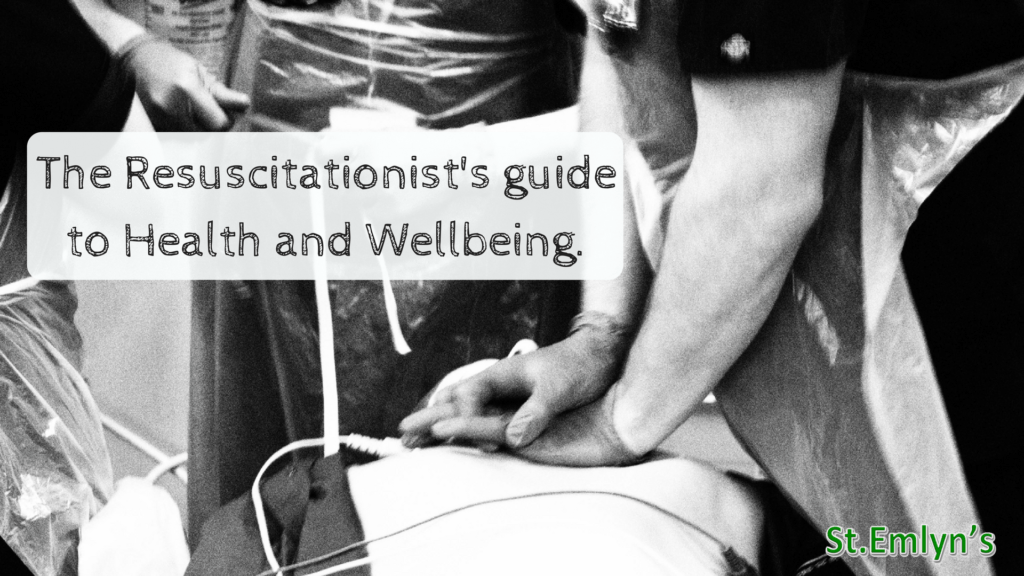
This introduction to St Emlyn’s 2018 wellbeing e-book brings together reflections on working in emergency and acute care. Edited by Simon Carley and Laura Howard, the collection draws on the team’s experiences of pressure, fatigue and balancing professional and personal lives, with self-care at its centre.
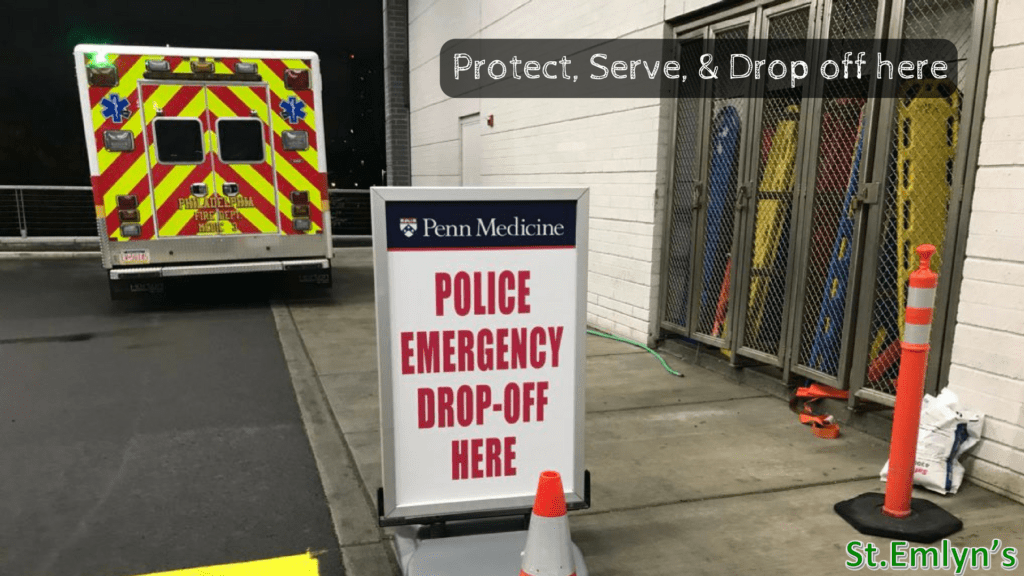
Should police transport patients with penetrating trauma when an ambulance is unavailable? This 2018 review explores Philadelphia’s experience, weighing speed and access against the absence of care en route, unpredictable arrivals and wider trauma-system risks. It considers why coordination between police, EMS and hospitals matters.