Does cricoid pressure still have a place in rapid sequence induction? Simon Carley appraises a large 2018 randomised trial, weighing aspiration outcomes against difficulties with laryngoscopy. He also considers the limits of applying operating-theatre evidence to emergency department patients and groups excluded from the study.
Simon Carley sets out five approaches to resuscitation practice that require no new equipment: preparation with the Zero Point Survey, regular team updates, separating immediate care from strategic thinking, peer observation and hot debriefs. This St Emlyn’s Live 2018 talk focuses on how teams work together.
Resuscitation begins before the patient arrives. Simon Carley introduces the Zero Point Survey and its focus on the clinician, team and environment, explaining how shared preparation and mental models can be practised in simulation. He also reflects on role allocation and integrating the approach into everyday resuscitation training.
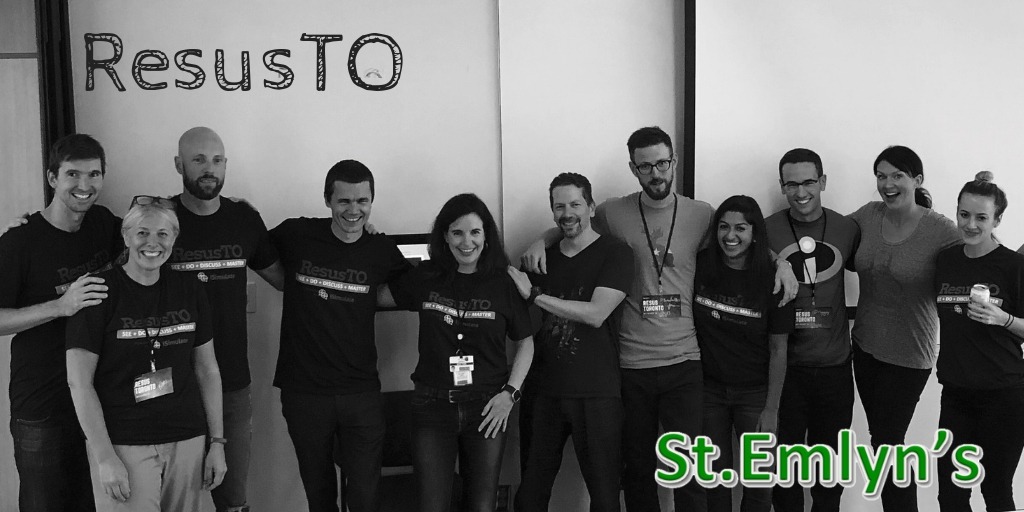
What happens when a resuscitation conference puts multidisciplinary learning and simulation at its centre? This report from the inaugural ResusTO in 2018 explores team behaviours, systems design, deliberate practice and hands-on workshops, with reflections on how small changes might strengthen resuscitation performance.
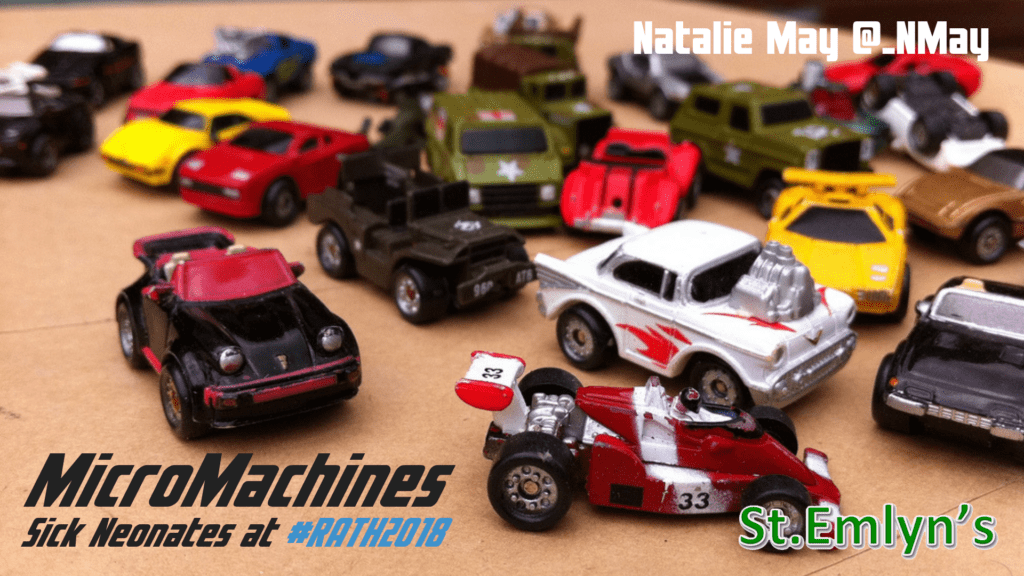
Neonates are more than miniature adults. Using a Micro Machines analogy, Natalie May’s 2018 teaching session revisits neonatal resuscitation and common emergency presentations, from feeding and cardiac problems to sepsis and seizures. It highlights the physiological differences that make assessment and early specialist support so important.
The final-day report from EuSEM 2018 in Glasgow focuses on neurological emergencies, including subarachnoid haemorrhage, vertigo, meningitis and cerebral venous thrombosis. It also shares advice from journal editors and reflections on leadership, with links to further reading from the conference sessions.