A 2022 appraisal of a randomised trial comparing etomidate and ketamine for emergency intubation. It considers seven-day and 28-day survival, cardiovascular outcomes and the limits of applying results from a single US centre to other patients and airway systems.
Why might a bleeding trauma patient have a slow heart rate? Rich Carden explores the Bezold-Jarisch reflex, its proposed role in bradycardia during haemorrhage and the danger of assuming that an absence of tachycardia means an absence of blood loss.
A January 2022 appraisal of a randomised trial of routine calcium in out-of-hospital cardiac arrest. Laura Howard examines return of circulation, survival and safety concerns, including the implications of stopping the trial early and excluding patients with specific indications for calcium.
A 2021 review of pulse oximetry accuracy in patients assessed for ECMO. It examines differences in unrecognised hypoxaemia between reported racial groups, the limitations of retrospective data and why skin pigmentation needs more precise investigation than broad racial classifications allow.
Could a 14F pigtail catheter replace a larger chest drain for traumatic haemothorax? This 2021 appraisal examines a multicentre randomised trial, weighing drainage failure, patient discomfort and statistical uncertainty, with particular attention to the exclusion of patients needing immediate emergency drainage.
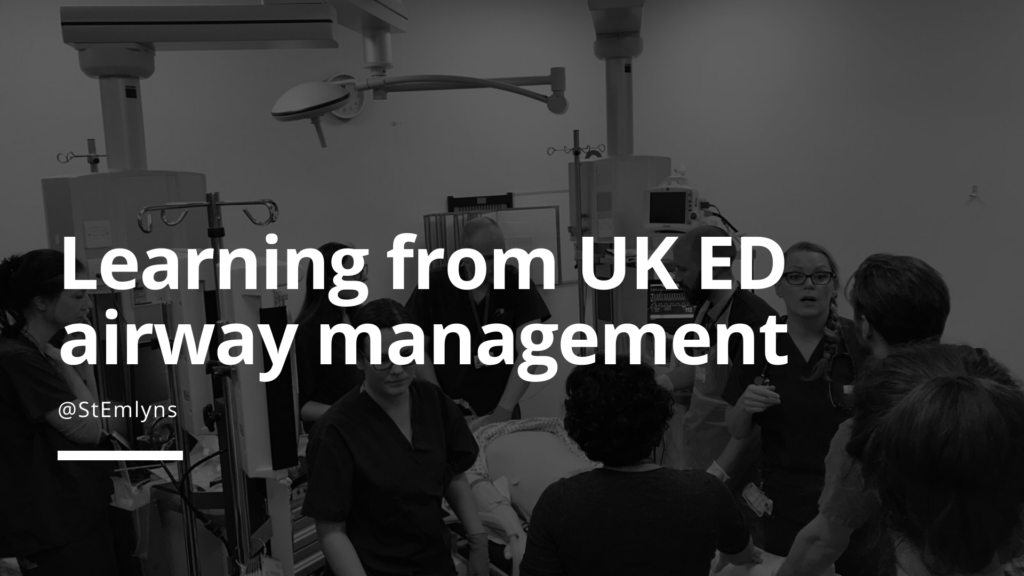
Dan Horner's Difficult Airway Society 2021 talk examines emergency airway management through three priorities: cardiovascular stability, oxygenation and first-pass success. The transcript connects the evidence with preparation, multidisciplinary teamwork and local systems that support safer care across departments.