What information do we lose when a test result becomes simply ‘positive’ or ‘negative’? Using biomarkers and the T-MACS model, this reflection explores continuous measurements, diagnostic probability and shared decisions. It asks whether yes-or-no labels obscure distinctions that matter to an individual patient.
SALT-ED compared balanced crystalloids with saline in adults admitted from the emergency department to non-critical-care beds. This 2018 appraisal distinguishes the neutral primary outcome from the signal in kidney outcomes, examining pragmatic trial design, follow-up and the limits of applying one centre’s findings more widely.
Iain and Simon revisit January 2018 on the St Emlyn’s podcast. The linked discussions include devastating brain injury, dizziness, clinical reflection, CRYOSTAT-2 and the ADRENAL trial, alongside conference reports and working in Africa. The episode brings together that month’s clinical evidence, education and professional perspectives.
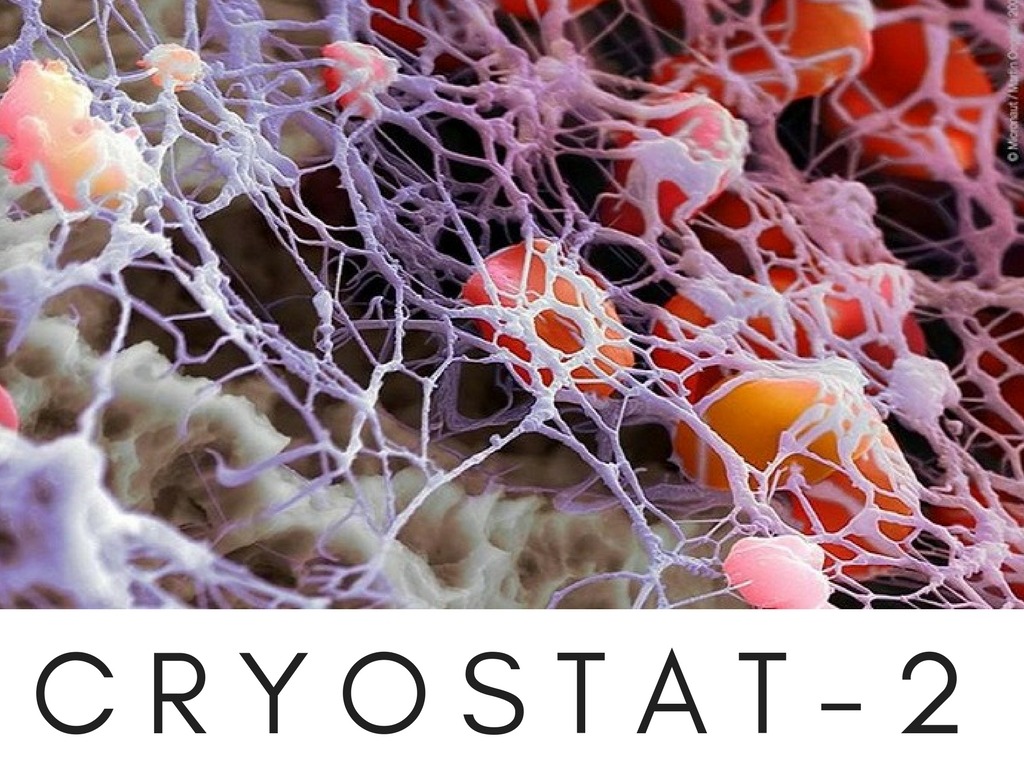
This 2018 introduction explains the question behind CRYOSTAT-2: could early cryoprecipitate improve survival after major traumatic bleeding? It outlines the rationale for fibrinogen replacement, the planned randomised trial, eligibility criteria and patient-centred outcomes. This is a preview of the study, before its results became available.
Chris Gray reports from the 2018 Northern Emergency Medicine conference in Durham. The programme connects end-of-life care, frailty and prehospital developments with workforce roles, burnout and major-incident preparation. Reflections on the Manchester attack underline the importance of understanding both the response plan and support for colleagues.
Is paracetamol alone enough for pain after minor musculoskeletal injury? This 2017 review examines a randomised non-inferiority trial comparing paracetamol, diclofenac and their combination. It explores pain outcomes, trial design and exclusions, including why the findings cannot simply be extended to fractures or all painful injuries.