A 2017 conversation with the #bad_EM team explores African emergency medicine, shared learning and plans for the 2018 festival conference near Cape Town. The accompanying post considers why locally relevant FOAMed and support for African delegates matter.
Who should receive thromboprophylaxis after lower-limb immobilisation? This RCEM 2017 update introduces the TiLLI project, reviews the uncertainty around risk prediction and outlines how evidence synthesis, expert consensus and economic modelling could inform more consistent decisions.
Marking UK emergency medicine’s 50th anniversary in 2017, Rick Body reflects on the growth of clinical research. He describes the importance of protected time, research infrastructure and collaboration, and argues for a culture in which research participation becomes routine.
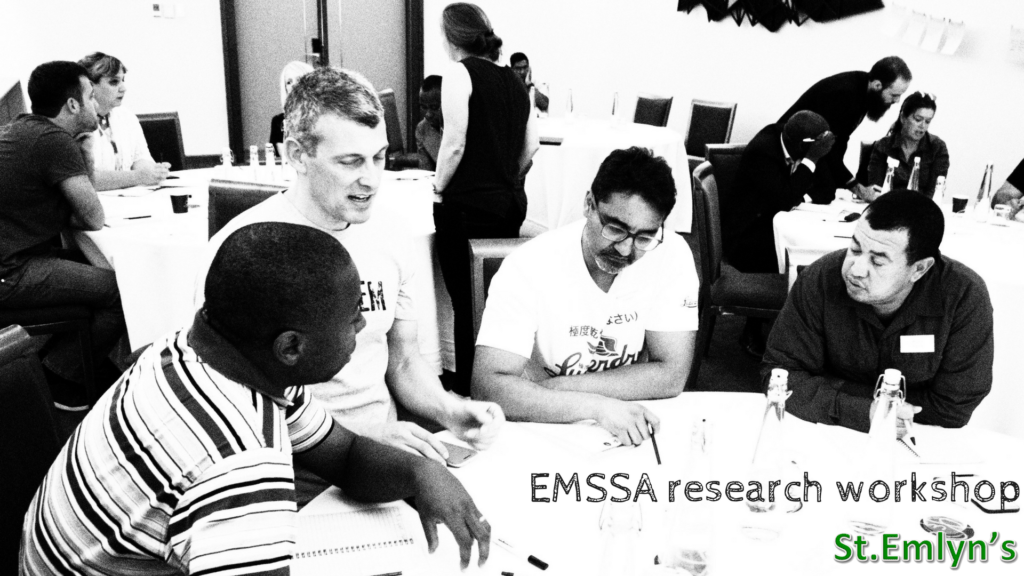
Getting started in emergency medicine research can feel daunting. Notes from the EMSSA 2017 workshop explore choosing a worthwhile question, finding a supervisor, building collaborations and securing funding, before considering how to approach publication.
Could cardiac myosin binding protein C offer an alternative to troponin? This 2017 review examines promising diagnostic findings from APACE, while explaining why external validation, a practical assay and evidence of added clinical value were still needed.
Could troponin tell us more than whether a patient has had an infarction? This 2017 reflection explores increasingly sensitive assays, cardiovascular risk and personalised baseline measurements, while distinguishing exciting possibilities from clinical benefits that still needed to be demonstrated.