
Non-invasive or arterial pressure monitoring in PHEM?
10 min read
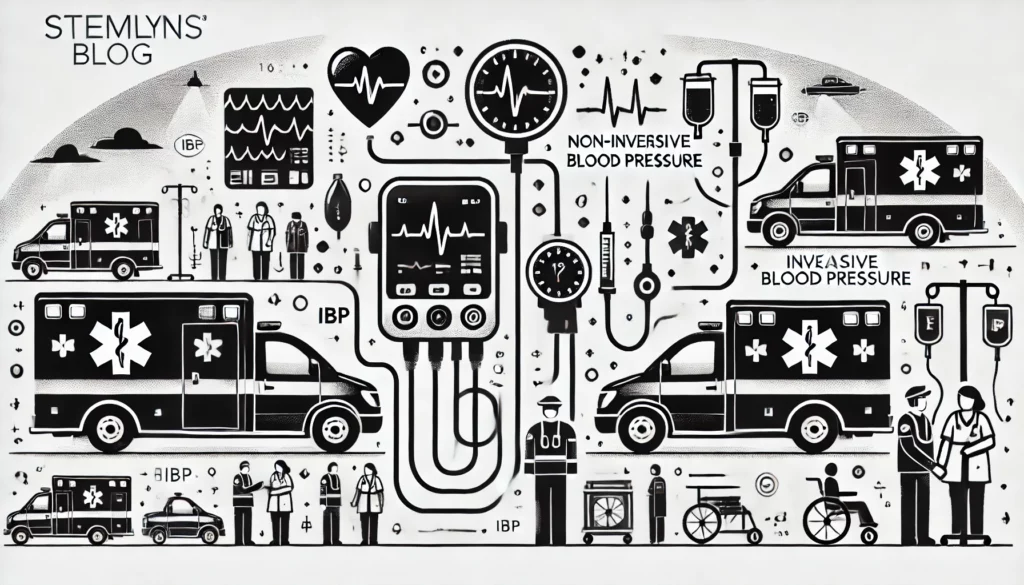
This blog post reviews a study comparing non-invasive blood pressure (NIBP) and invasive blood pressure (IBP) monitoring in pre-hospital critical care.
This blog post reviews a study comparing non-invasive blood pressure (NIBP) and invasive blood pressure (IBP) monitoring in pre-hospital critical care.

A Central Australian case series explores adrenaline infusions for shock in remote settings with limited resources. This appraisal examines the observational evidence, gaps in the safety data and practical concerns about labelling, flow control and supervision before considering wider use of the technique.
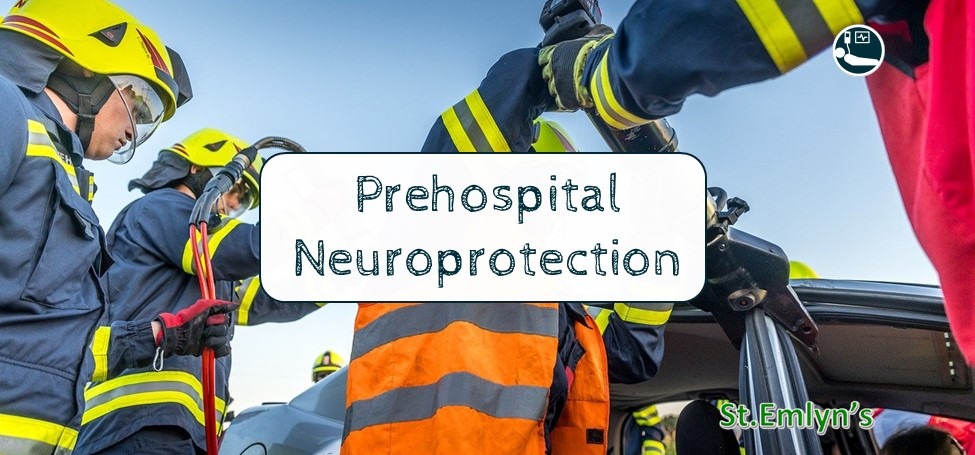
This PREMIER 2024 podcast follows the prehospital care of a child with traumatic brain injury, from the initial ambulance response to arrival at a major trauma centre. The case explores neuroprotection, coordination between teams and the practical decisions behind transport by road or air.
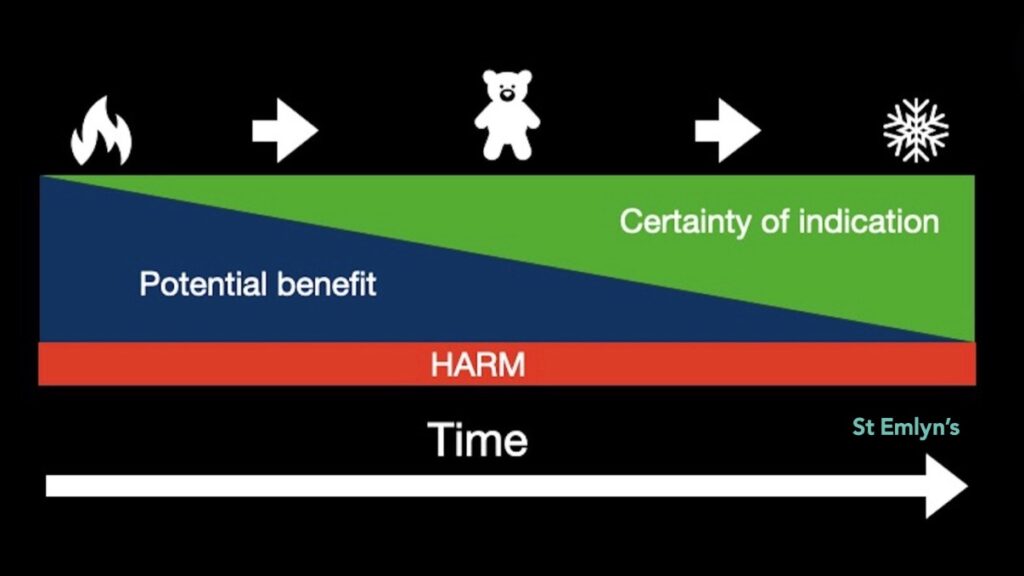
When is the right moment to perform a high-stakes emergency procedure? This reflection uses the Goldilocks analogy to explore the harm of acting too early or too late, the uncertainty between those extremes and how training and peer review might develop judgement.
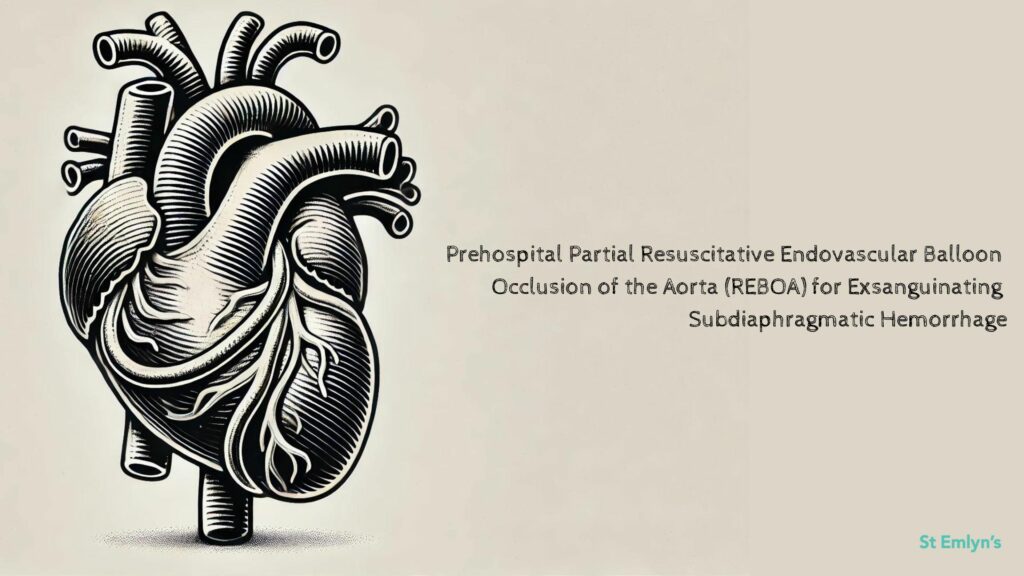
A London Air Ambulance cohort study explores partial REBOA for trauma patients with life-threatening bleeding and recent or imminent cardiac arrest. This appraisal considers feasibility, survival and patient selection, alongside the limits of a small observational study and the training and systems needed to deliver the technique.

The May 2024 podcast round-up includes RCEM conference highlights and a framework for the emergency physician in charge. Simon and Iain also discuss AI-generated exam questions, rib fracture analgesia, how to judge intubation success and the return of measles.
Practical perspectives on trauma care and team leadership.
Explore the series →