Explore the July 2019 blog archive with this monthly podcast round-up. Its accompanying links include mass-casualty training in Pakistan, major gastrointestinal bleeding, Listeria, vena cava filters in trauma and psychological performance in the resuscitation room.
How can mass-casualty training reflect the resources and challenges of its setting? Dr Rashid Aqeel describes simulation training in Karachi, Pakistan, exploring locally adapted scenarios, multidisciplinary preparation and what emergency teams in different health systems can learn from one another.
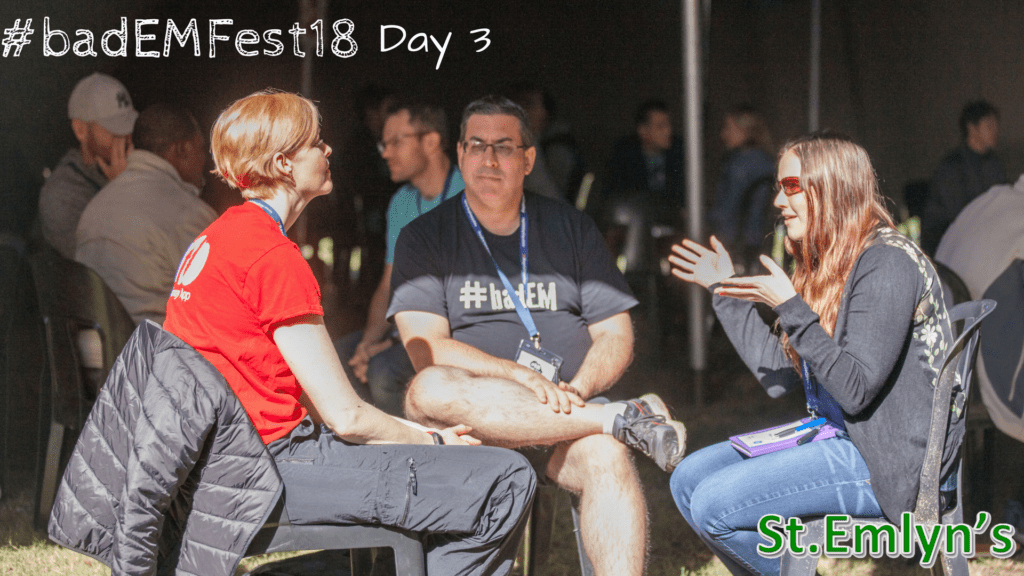
Day three of badEMfest 2018 connects prehospital and retrieval learning with the patient’s experience of care. Highlights include wilderness rescue, research priorities, end-of-life discussions, handwashing and chronic pain, alongside reflections on teamwork and what clinicians can learn from becoming patients themselves.
What should a triage score actually achieve? This discussion questions whether diagnosis, mortality or admission adequately measure success, and argues for greater attention to patients whose clinical course or suffering could be changed by earlier intervention.
What can civilian and military teams learn from each other about mass casualty incidents? Reflections from AAST 2017 examine preparation, unexpected casualty arrivals, staff safety and the psychological toll, asking why familiar lessons still fail to reach practice.
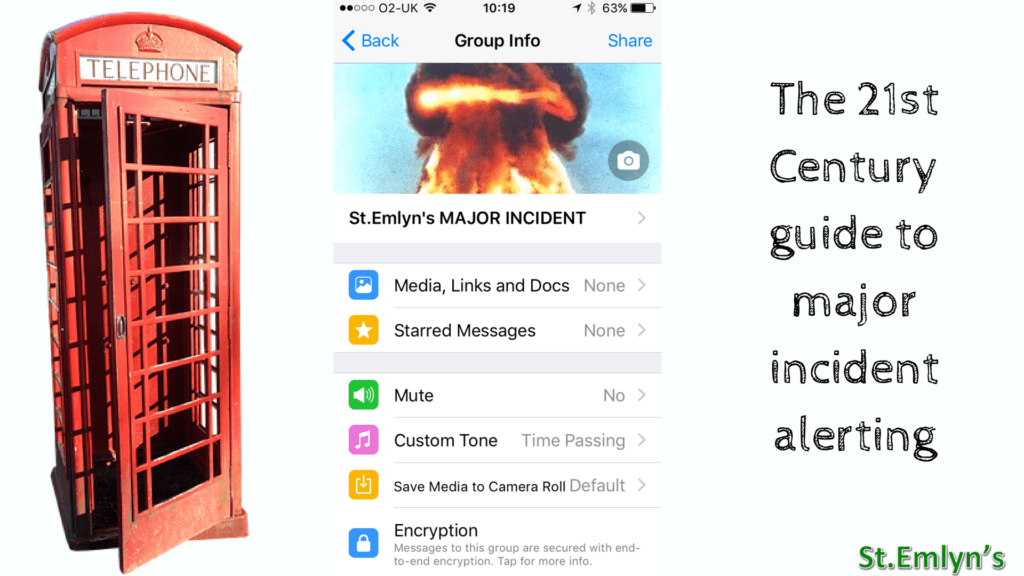
Drawing on the 2017 Manchester and London attacks, this post examines how hospitals alert and mobilise staff during a major incident. It discusses structured METHANE messages, coordinating responses and planning cover beyond the first wave, alongside the limitations of messaging groups.