How can hospitals learn from a major incident while protecting those affected? This May 2021 post introduces the published hospital data from the Manchester Arena bombing, explaining the ethical challenges of reporting identifiable events and the development of a dedicated trauma-registry module.
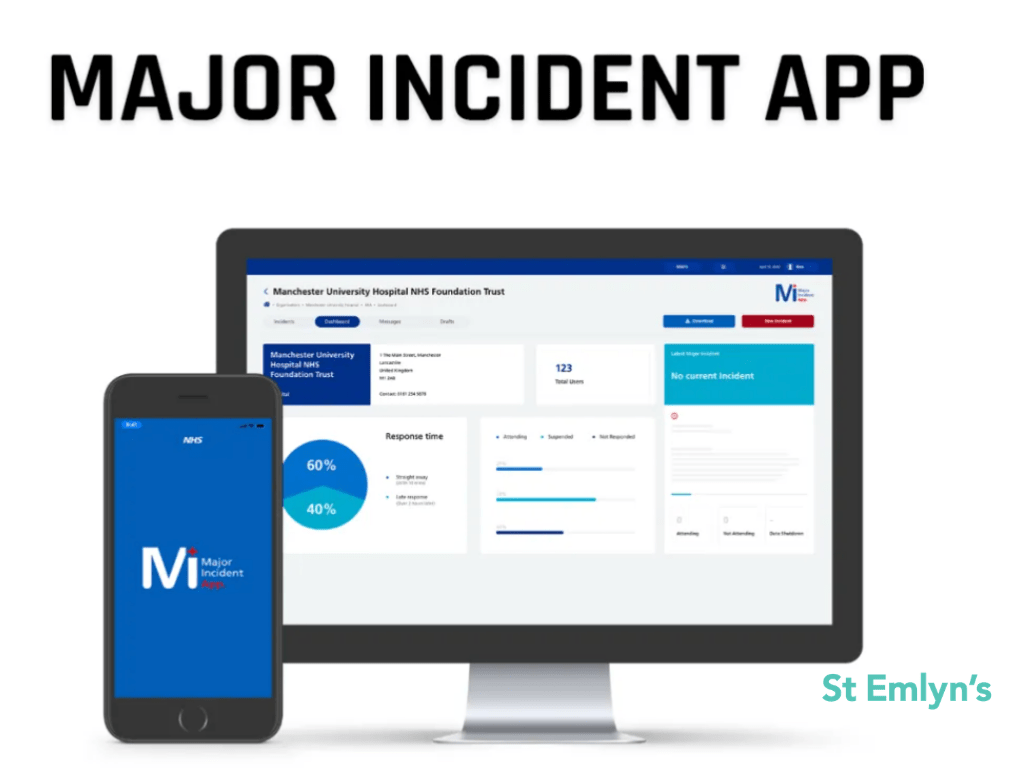
After the Manchester Arena attack, Peter Hulme saw the limits of phone cascades and messaging groups for recalling emergency staff. This 2020 account follows the development of the Major Incident App, from alerting and coordinating responders to funding, industry collaboration and lessons learned.
Iain Beardsell and Liz Crowe discuss fear and anxiety at the start of the COVID-19 pandemic. Their March 2020 podcast and notes explore taking breaks from pandemic news, looking after everyday needs, respecting different emotional responses and supporting colleagues through uncertainty.
Iain Beardsell shares his experience of preparing for the Diploma in Immediate Medical Care, with revision resources, practice questions and practical exam tips. This personal 2020 account covers the written and practical components and points readers to the Faculty for official examination requirements.
How can teams rehearse a new clinical pathway without a mannequin or simulated casualty? This February 2020 introduction to Practical Exercises Without Casualties uses a suspected coronavirus scenario to explore in-situ planning, communication and decision-making, with prompts that can be adapted to other situations.
Highlights from the prehospital day of the 2019 London Trauma Conference. The report covers cardiac arrest decisions, access to defibrillation, vascular access, major incident response and obstetric emergencies, alongside practical discussion of communication and cognitive overload in pressured environments.