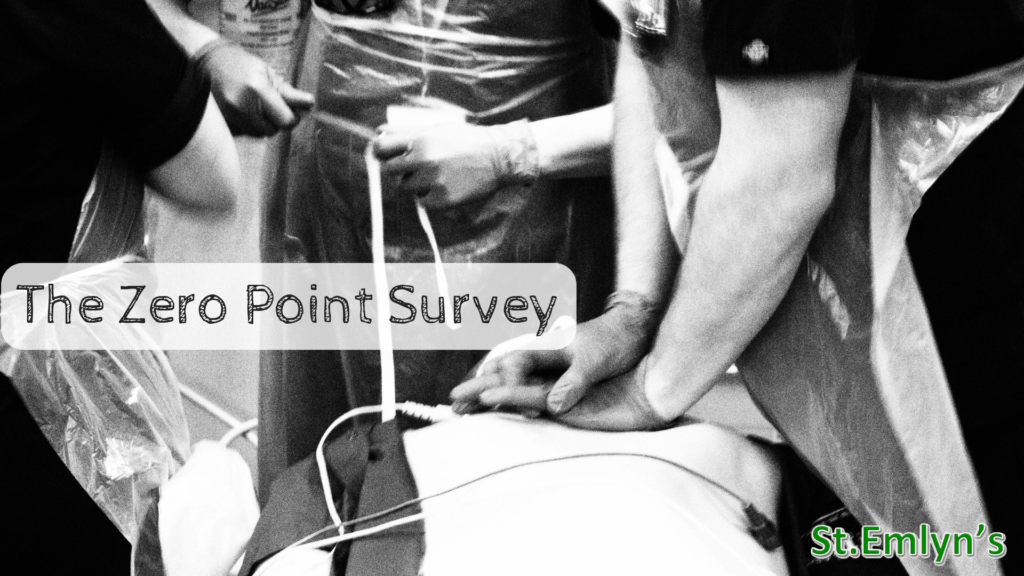
Resuscitation begins before the patient arrives. Simon Carley introduces the Zero Point Survey and its focus on the clinician, team and environment, explaining how shared preparation and mental models can be practised in simulation. He also reflects on role allocation and integrating the approach into everyday resuscitation training.
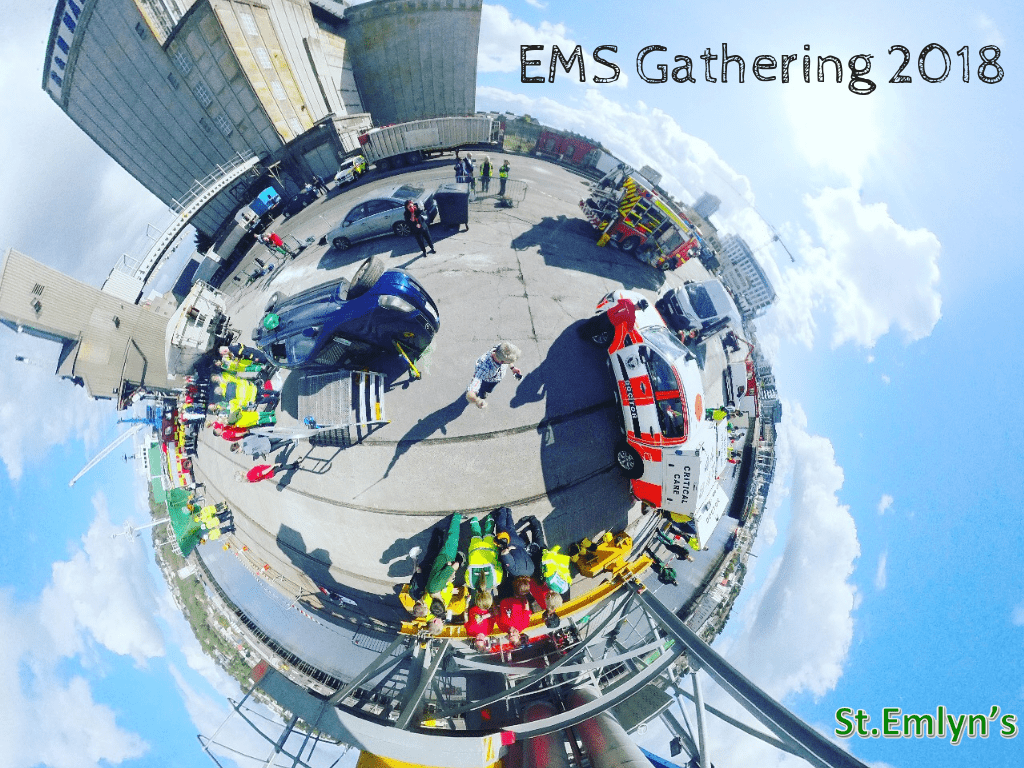
Simon Carley reviews the 2018 EMS Gathering in Cork in a podcast and accompanying conference report. Highlights include family presence during resuscitation, patients’ stories, outdoor learning and extrication simulation, alongside reflections on what emergency services can learn from one another.
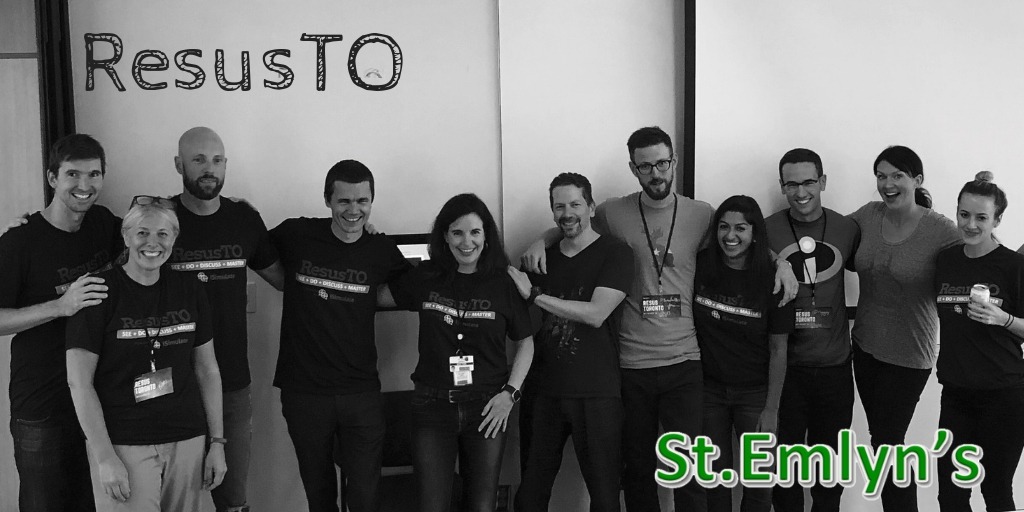
What happens when a resuscitation conference puts multidisciplinary learning and simulation at its centre? This report from the inaugural ResusTO in 2018 explores team behaviours, systems design, deliberate practice and hands-on workshops, with reflections on how small changes might strengthen resuscitation performance.
The final-day report from EuSEM 2018 in Glasgow focuses on neurological emergencies, including subarachnoid haemorrhage, vertigo, meningitis and cerebral venous thrombosis. It also shares advice from journal editors and reflections on leadership, with links to further reading from the conference sessions.
Psychologist Esther Murray joins the St Emlyn’s podcast to explore moral injury in emergency and prehospital care. The accompanying notes discuss research into medical students’ prehospital experiences and the psychological impact of witnessing traumatic events, while recognising the limits of the small study that prompted the conversation.
Can short-term targets distract us from the purpose of healthcare? Craig Ferguson uses finite and infinite game theory to explore the tension between measurable performance and lasting quality, including how targets can distort priorities, consume resources and produce unintended consequences in emergency medicine.