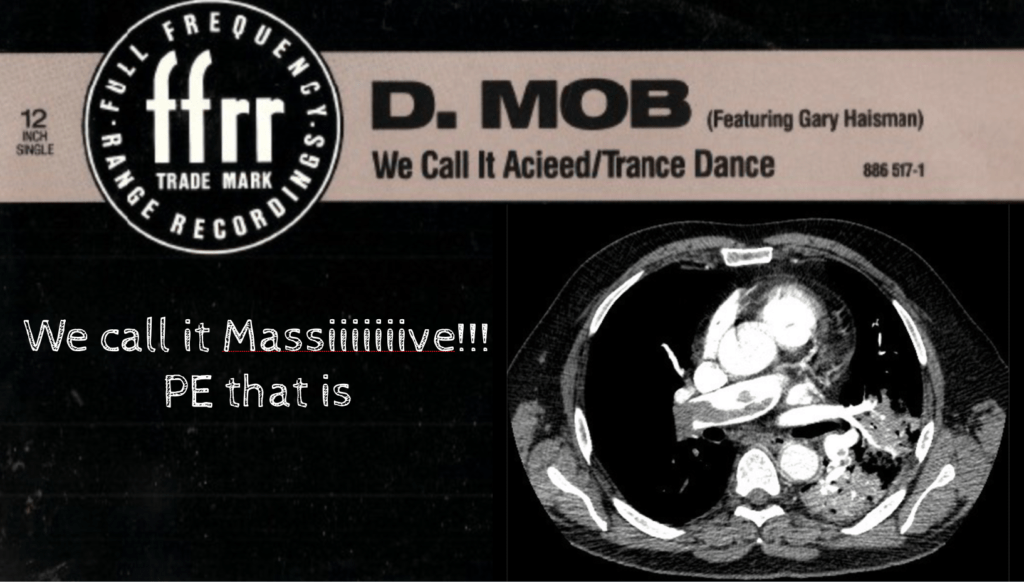
What does ‘massive’ pulmonary embolism really tell us about a patient’s risk? In this case-based 2018 review, Dan Horner examines physiology, clot burden, clinical trajectory and bleeding risk, arguing for a fuller assessment and shared decisions rather than reliance on a single blood-pressure threshold.
Simon and Iain revisit the St Emlyn’s blog from April 2018. The episode’s written guide links trauma research, paediatric CT, anticoagulation complications and diagnostic uncertainty, alongside clinician wellbeing, team coaching and reflections from badEMfest in South Africa.
How should clinicians balance bleeding and thrombosis when anticoagulation causes problems? This 2018 RCEM CPD discussion covers haemorrhage, reversal strategies, adverse reactions, treatment failure and monitoring. It emphasises individual risk, practical delivery of care and making complex pathways usable, reflecting the drugs and evidence available at the time.
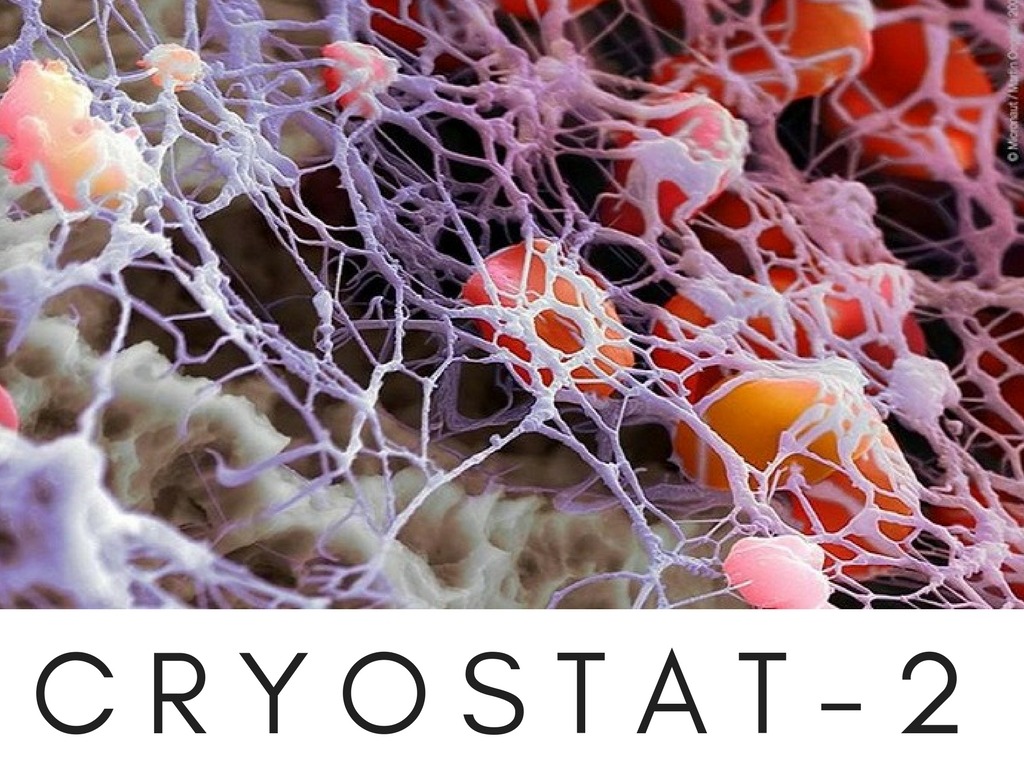
This 2018 introduction explains the question behind CRYOSTAT-2: could early cryoprecipitate improve survival after major traumatic bleeding? It outlines the rationale for fibrinogen replacement, the planned randomised trial, eligibility criteria and patient-centred outcomes. This is a preview of the study, before its results became available.
How much does delay matter when giving tranexamic acid? This 2017 journal club examines individual patient data from CRASH-2 and WOMAN, exploring the relationship between treatment timing and bleeding deaths, the size of the benefit and the analysis’s limitations.
The October 2017 podcast round-up revisits major incidents, thromboprophylaxis, oxygen in acute coronary syndromes and emerging cardiac biomarkers. It also reflects on the physical demands of EM training and the specialty’s annual scientific conference.