Natalie May revisits paronychia in the emergency department, from nail-fold anatomy and acute infection to drainage, antibiotics and follow-up. This 2018 review also distinguishes chronic paronychia, herpetic whitlow and more serious mimics, while acknowledging the limited evidence behind some familiar management approaches.
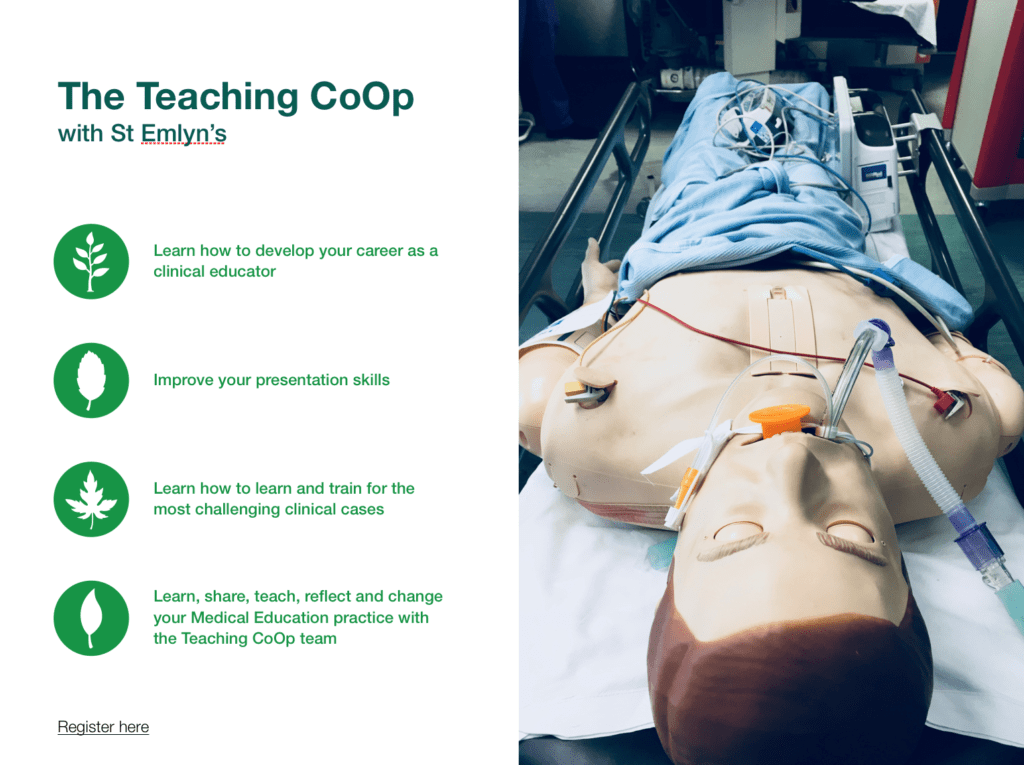
This archived update introduces the programme for the Teaching CoOp course held in Manchester on 10–12 October 2018. It brings together the course information and downloadable brochure prepared for delegates ahead of the event.
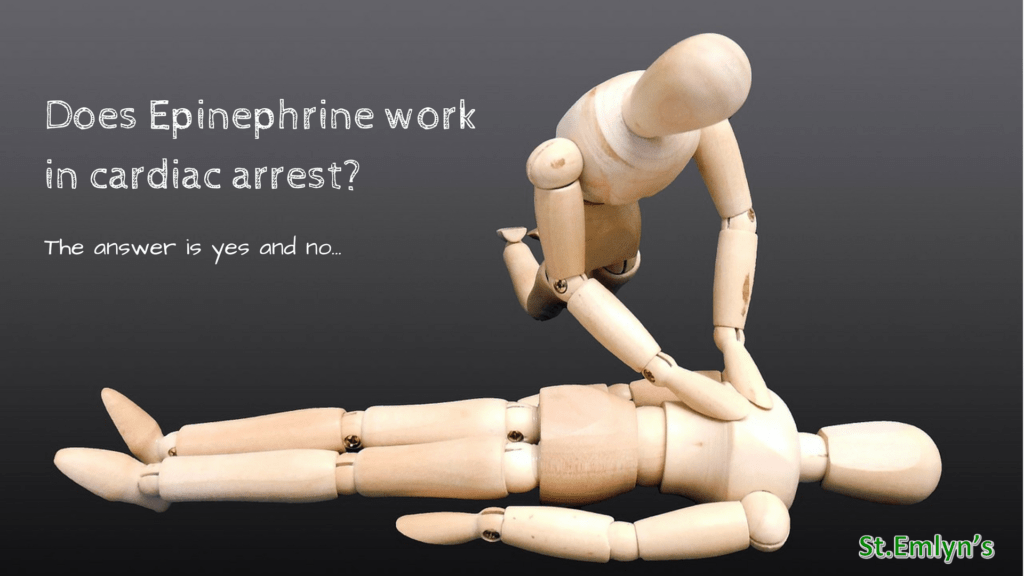
The 2018 PARAMEDIC-2 trial challenged assumptions about adrenaline in cardiac arrest. Simon Carley examines the distinction between improved survival and favourable neurological outcomes, the trial’s patient selection and the competing arguments about practice, stressing why the results need more than a simple yes-or-no interpretation.
Can short-term targets distract us from the purpose of healthcare? Craig Ferguson uses finite and infinite game theory to explore the tension between measurable performance and lasting quality, including how targets can distort priorities, consume resources and produce unintended consequences in emergency medicine.
Does tamsulosin help patients with renal colic pass their stone? Simon Carley reviews a 2018 randomised trial in adults with CT-confirmed stones under 9 mm, examining patient-reported passage, follow-up imaging and subgroup uncertainty. He considers why the findings challenged routine medical expulsive therapy in this ED population.
In part two of his personal PTSD series, Rusty Carroll asks how clinicians might recognise distress in themselves or colleagues. He reflects on changes in sleep, behaviour and emotional responses, and on the difficulty of acknowledging that coping alone may no longer be enough.