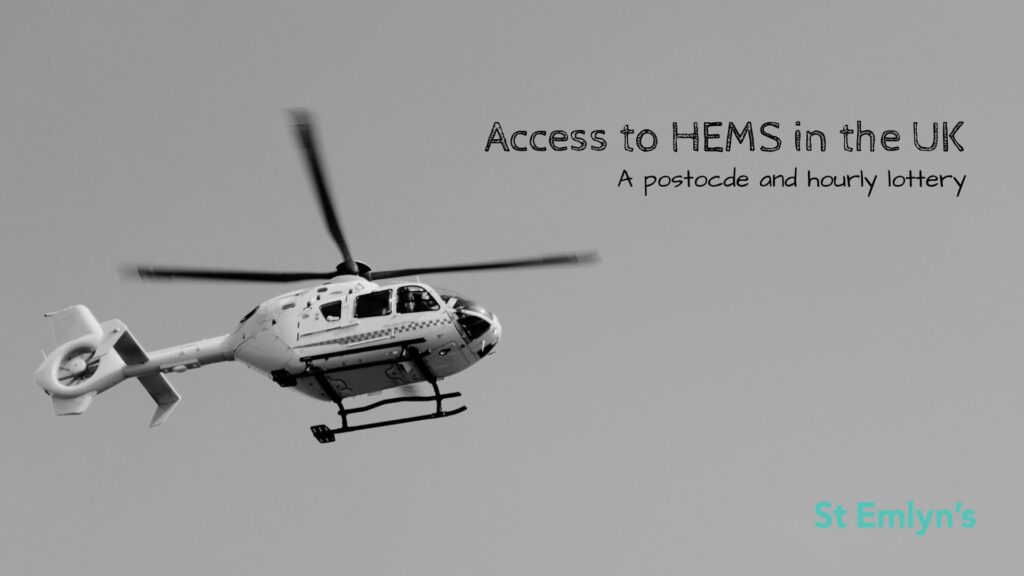
Physician-based HEMS provision in the UK has expanded significantly since 2009, but variation remains. This St Emlyn’s review examines access, funding models and whether a largely charity-led system can deliver national equity.
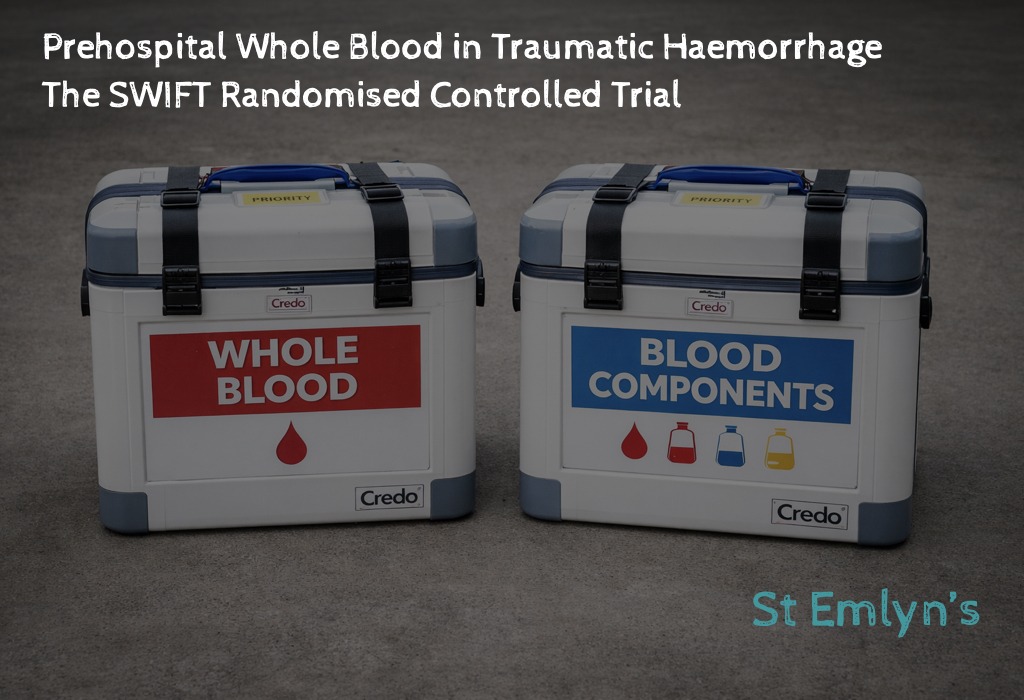
Does prehospital whole blood improve outcomes compared with blood components in traumatic haemorrhage? We critically appraise the SWiFT randomised trial, including its findings on death or massive transfusion within 24 hours and the limits of testing a prehospital-only intervention.
In this episode, we talk to Sheldon Cheskes about the evolving science of cardiac arrest, with a focus on refractory and recurrent ventricular fibrillation. We explore the evidence behind double sequential external defibrillation (DSED), how it compares to standard defibrillation, and what the DOSE VF trial has changed in practice. It’s about understanding why defibrillation fails, how vector and energy delivery matter, and when a different approach might improve outcomes.
This November and December 2025 podcast round-up revisits medical training reform, trauma leadership and patients bringing AI advice into the consultation. It also discusses ondansetron in paediatric gastroenteritis and acetylcysteine protocols for paracetamol poisoning.
Harriet Tucker discusses damage control prehospital care at Trauma 2030: recognising patients who need surgical haemorrhage control, limiting delays on scene and moving selected interventions into the ambulance. The conversation also covers the governance and teamwork needed to support this approach.
Practical tips for coordinating a log roll in trauma care, from gentle spinal handling and preparing to examine the back to using clear commands for movement. The post also covers working with a scoop stretcher.