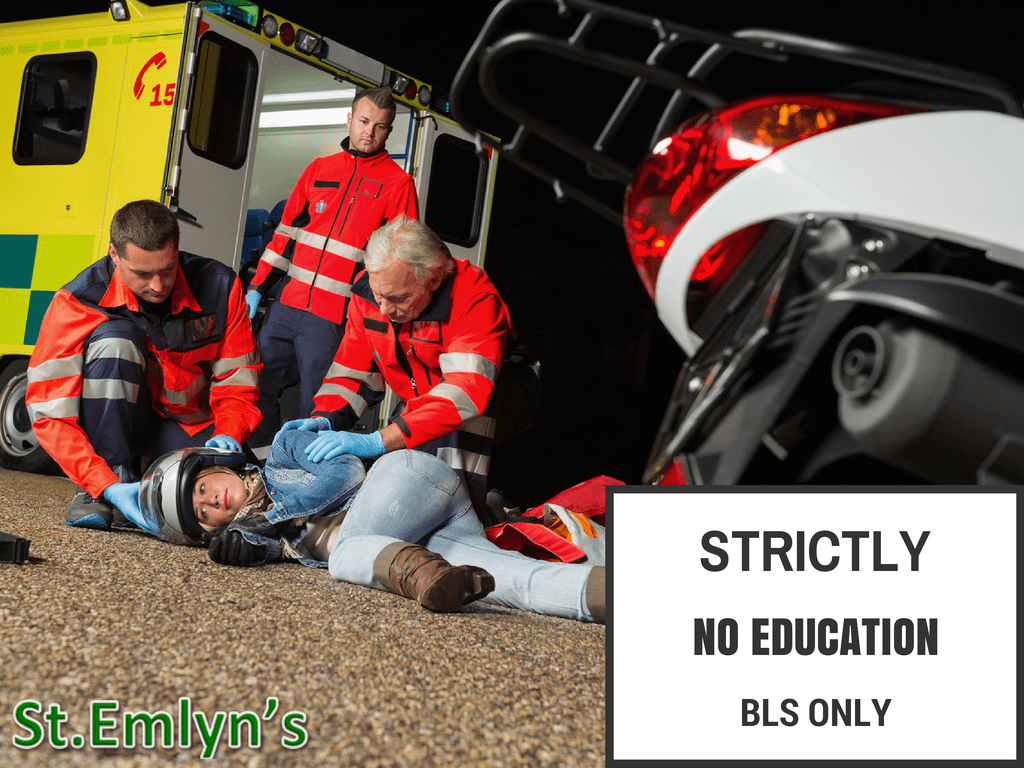
Does a lack of evidence for benefit mean paramedic trauma training does not work? This 2014 critique of a Cochrane review examines its small, dated and methodologically limited evidence base, distinguishing uncertainty about educational interventions from a justification for withdrawing investment in training.
Louise Cullen and Rick Body debate whether high-sensitivity troponin is friend or foe at SMACC Gold 2014. This post brings together the recording, both speakers’ slides and background resources on troponin interpretation, including why a raised concentration does not always mean acute myocardial infarction.
An introduction to planning sample size and understanding statistical power, linking effect size, precision and the risks of false positive and false negative results. Worked examples cover continuous outcomes, proportions and diagnostic accuracy studies, helping readers understand the assumptions behind calculations and ask better questions about research.
A personal playlist for the walk back to the car after a demanding emergency department shift. From difficult resuscitations to the relief of returning to family life, this companion to Car Park Five explores how music can mark the transition from work to the world outside.
Iain Beardsell and Rick Body explore high-sensitivity troponin testing in this 2014 podcast. They distinguish analytical from diagnostic sensitivity, explain assay precision and changes between samples, and discuss why results need interpretation alongside the clinical picture rather than being treated as a diagnosis on their own.
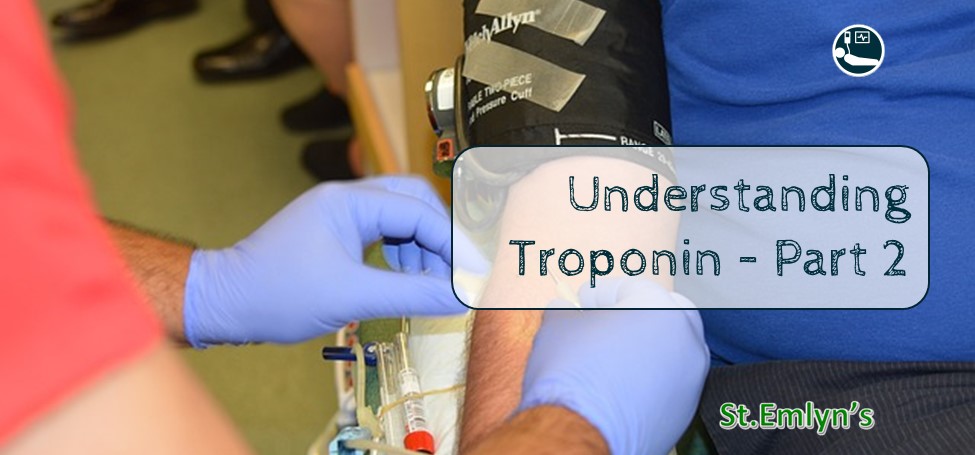
What does ‘high sensitivity’ actually mean when describing a troponin assay? This 2014 explainer and accompanying podcast unpack detection limits, precision and the distinction between analytical and diagnostic sensitivity, while exploring why more sensitive tests still require careful clinical interpretation.