Karim Brohi discusses vascular injury in a short podcast recorded at the 2014 London Trauma Conference. The accompanying introduction highlights recognising the ischaemic injured limb, questioning assumptions about hard and soft signs, and the role of interventional radiology in major trauma care.
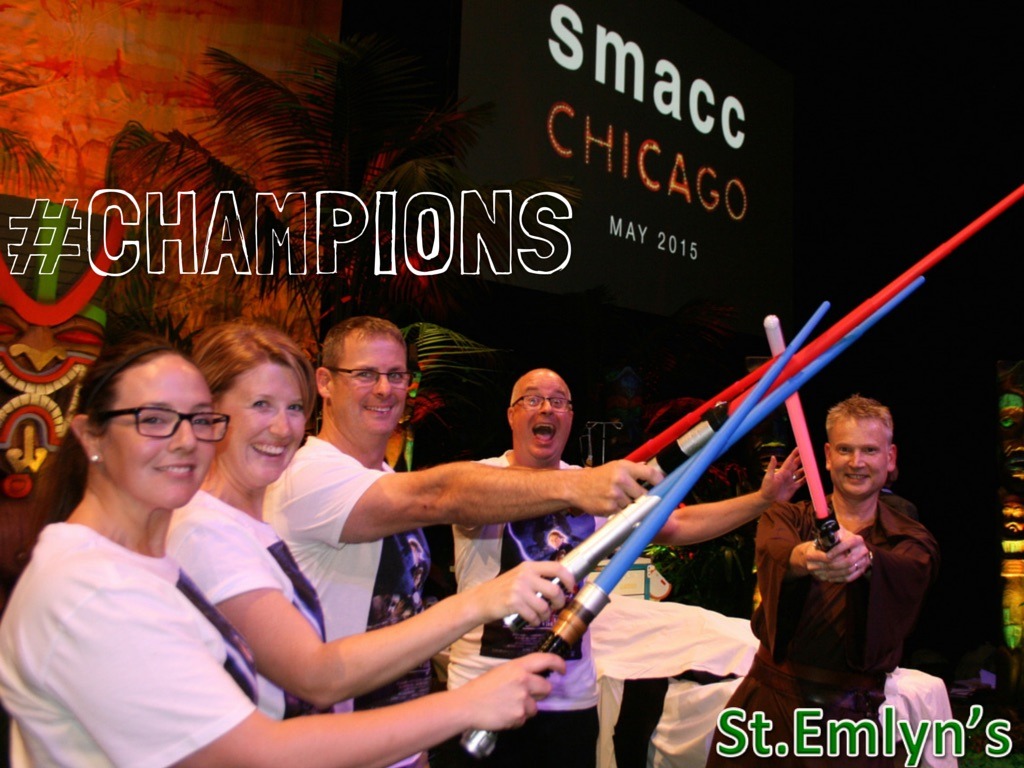
What can competitive simulation teach us about working with an unfamiliar resuscitation team? Simon Carley looks back at SIMWARS at SMACC Gold, exploring communication, leadership, teamwork and the tension between education and entertainment, with a recording of the event and reflections on performing under pressure.
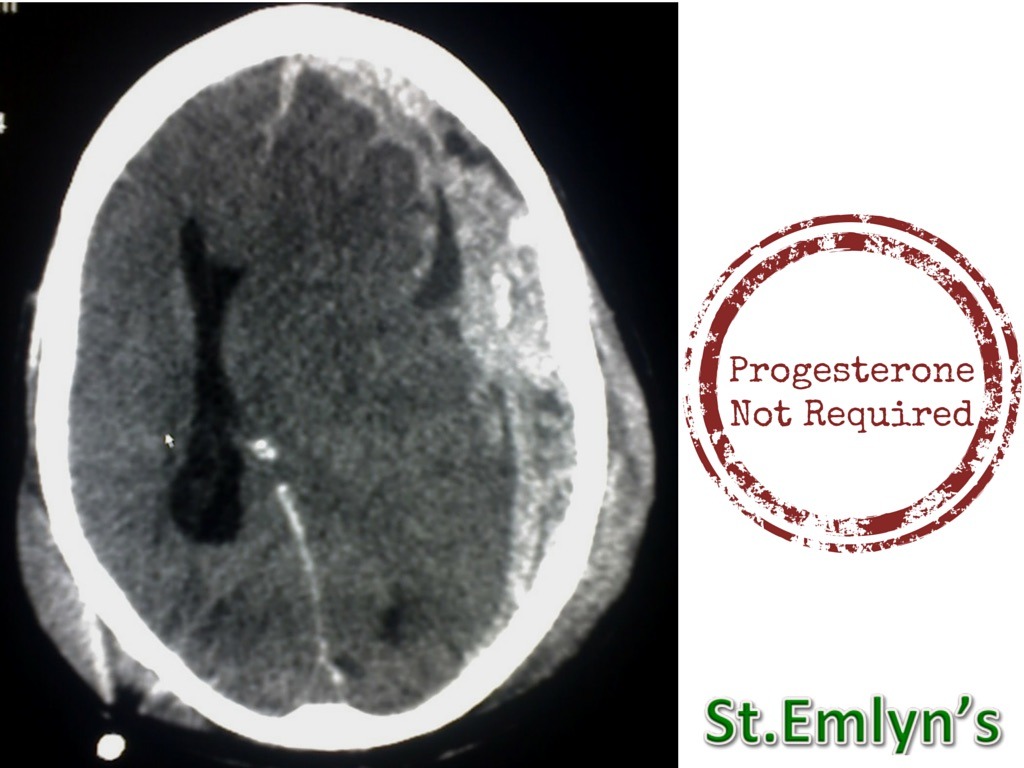
Why did progesterone’s promise in experimental brain injury fail to translate into benefit in a large clinical trial? This 2014 journal club examines patient selection, randomisation, anticipated treatment effects and stopping for futility, using the study to explore the challenges of translating laboratory findings into patient care.
A 2014 appraisal of MR CLEAN, an early positive trial of intra-arterial treatment for selected patients with acute ischaemic stroke. Simon Carley examines imaging-based selection, pragmatic treatment choices and functional outcomes, while asking how confidently one trial could support wider adoption at the time.
The final day of the London Trauma Conference 2014 turns to prehospital care and air ambulance operations. This report covers training and performance, introducing new procedures, difficult transfers and the human impact of fatal helicopter crashes, alongside brief discussions of emerging trauma therapies and responder technology.
Highlights and a podcast from day two of the London Trauma Conference 2014, spanning trauma in older people, children and pregnant patients. The team also reflects on performance culture, learning from deaths, the future of ATLS and debates about ultrasound, vascular access and social media.