St Emlyn’s reports from the opening day of the London Trauma Conference 2014, with an accompanying podcast summary. Topics include traumatic arterial dissection, impact brain apnoea, the development of major trauma centres, research involving children and older people, and trauma care in motorsport.
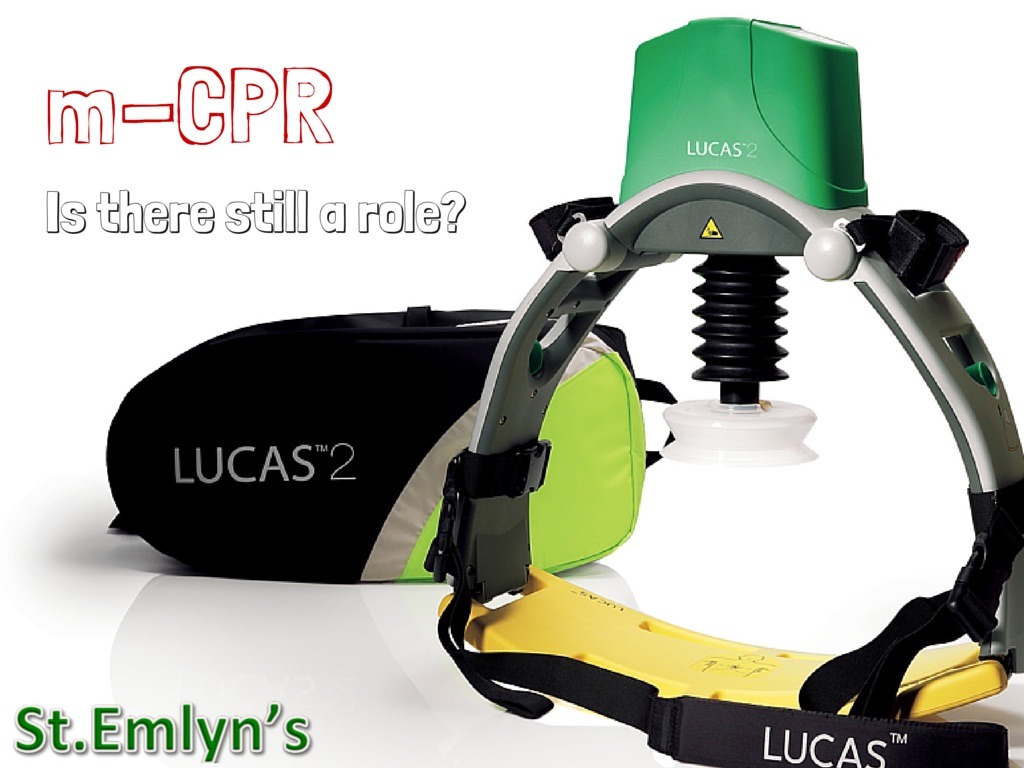
This 2014 journal club examines the PARAMEDIC trial of mechanical versus manual CPR in out-of-hospital cardiac arrest. Alongside the cluster-randomised design and survival findings, Simon Carley reflects on separating life support from treatment of the underlying cause and how resuscitation teams divide their attention.
Can experiencing physiological stress make blood gas results more meaningful to learners? This account describes an exercise-based teaching experiment using lactate measurements, then examines the value and limits of comparing healthy volunteers with critically ill patients. It also discusses consent, organisational approval and the absence of patient-outcome evidence.
Does cooling during cardiac arrest improve outcomes, or simply lower temperature? This 2014 appraisal examines a small randomised trial of intra-arrest hypothermia, questioning patient selection, statistical power and surrogate outcomes, while separating the cooling headlines around London’s ‘cool car’ from its broader package of advanced resuscitation care.
A critical response to NICE’s 2014 acute heart failure guidance, questioning whether varied presentations can be treated as one condition. The author examines the evidence behind diuretics, nitrates and non-invasive ventilation, and argues for clearer definitions and research that better reflects the sickest emergency department patients.
How should a department prepare for the rare child who needs massive transfusion after trauma? This 2014 journal club examines a small retrospective series, discussing coagulopathy, the limitations of sparse evidence and the importance of planning, shared protocols and simulation for infrequent but time-critical events.