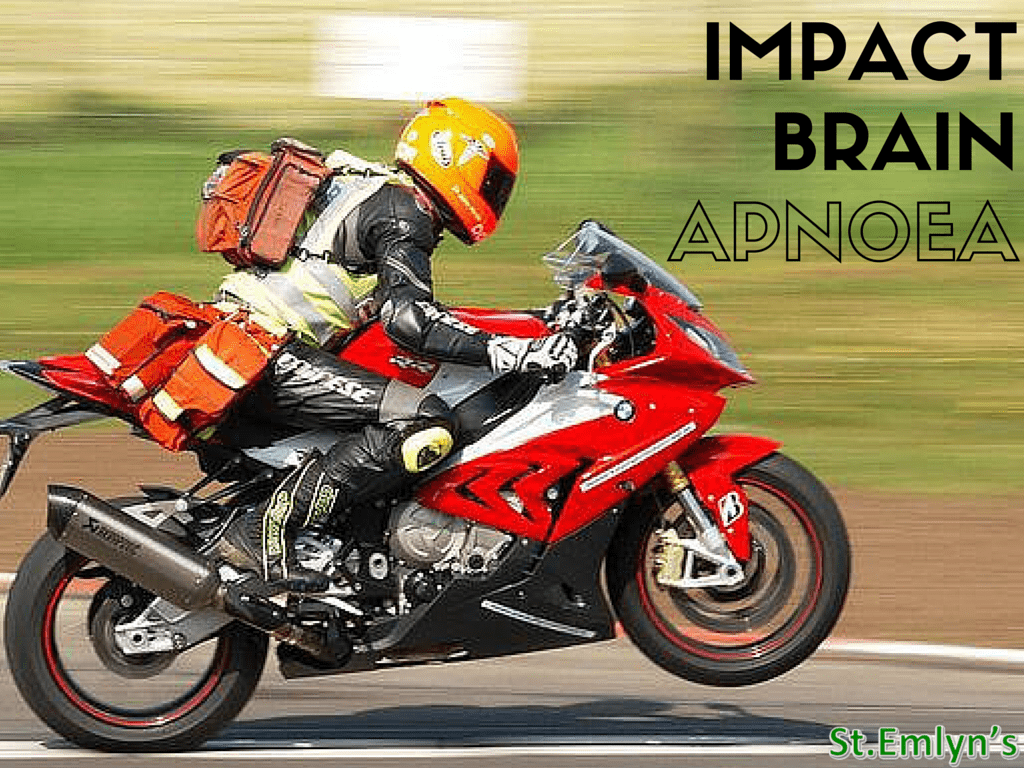
Simon Carley introduces a 2016 paper he co-authored on impact brain apnoea, drawing on observations from motorsport and prehospital care. The post also honours John Hinds’ contribution to the work and reflects on how clinicians’ shared experiences can prompt research questions.
A historical review of the 2016 RCEM guidance on acute behavioural disturbance in the emergency department. The post discusses de-escalation, the risks of restraint, sedation, assessment for underlying illness and early senior involvement when severe agitation accompanies physiological instability.
How can clinicians support a bleeding trauma patient while definitive haemorrhage control is being arranged? This 2016 discussion explores resuscitation physiology, fluids, vasopressors and treatment endpoints, setting out the authors’ perspective while acknowledging limited evidence and the importance of the wider trauma system.
Does hypertonic saline offer better outcomes than mannitol after traumatic brain injury? This 2016 appraisal explores the limited comparative evidence, distinguishes changes in intracranial pressure from outcomes that matter to patients and considers the uncertainty surrounding temporary treatment before definitive care.
Why did European and UK trauma guidelines published in 2016 recommend different approaches to resuscitating bleeding patients? Iain Beardsell compares their positions on crystalloids, blood products and vasopressors, reflecting on how disagreements between credible guidelines can challenge apparently settled clinical beliefs.
Two 2016 studies examine difficult questions in out-of-hospital cardiac arrest: whether amiodarone or lidocaine improves outcomes, and how resuscitation duration relates to neurological recovery. Natalie May considers study design, statistical uncertainty and why translating findings into bedside decisions needs care.