When might withdrawal of life-sustaining treatment be considered in the emergency department? Using hypothetical cases and the 2008 UK code of practice, this 2016 discussion explores uncertain prognosis, reversible causes, patient wishes and the need for senior colleagues and families to be involved.
What changed when Sepsis-3 was introduced in 2016? This overview explains the shift towards organ dysfunction, the roles proposed for SOFA and qSOFA, and revised septic-shock definitions, while noting early concerns about applicability and performance across different clinical settings.
A fictional Robocop trauma case provides the framework for this tour of NICE’s 2016 major-trauma guidance. The post follows care from scene to hospital, discusses areas of controversy and highlights unanswered research questions, with links to the full guidance and an accompanying infographic.
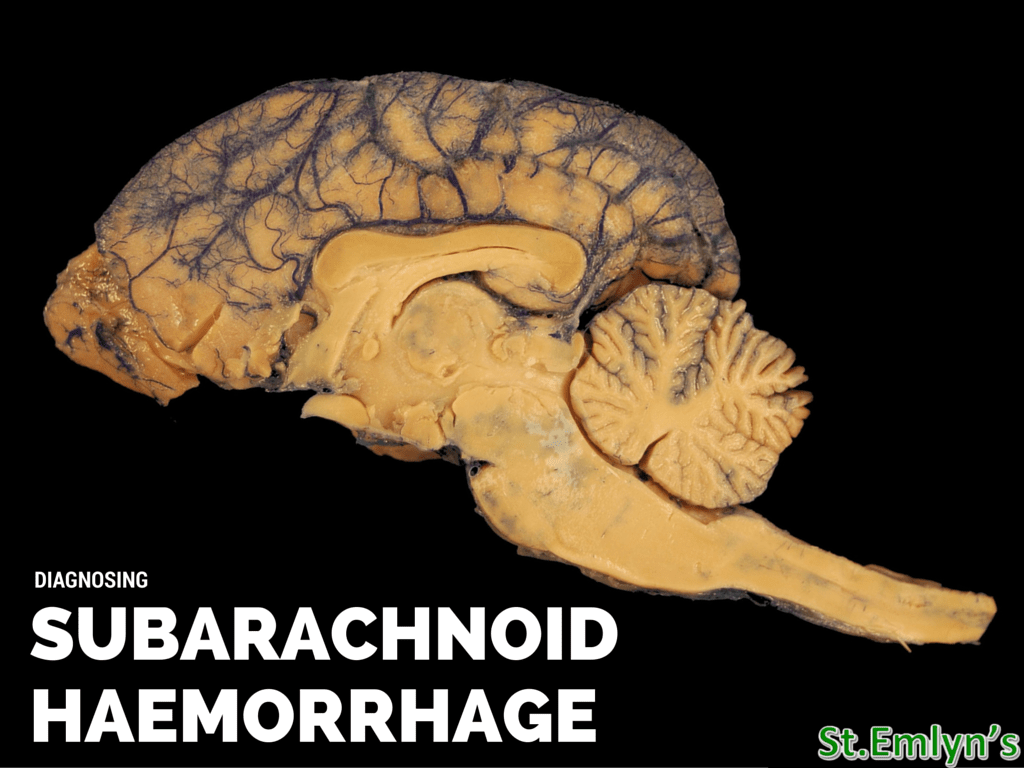
When might an early CT scan change the need for lumbar puncture in suspected subarachnoid haemorrhage? This 2016 discussion reviews the evidence available then, scanner and reporting requirements, and conversations with patients about uncertainty, further investigation and the risks of testing.
An introductory 2015 overview of chemical, biological, radiological and nuclear incidents for emergency clinicians. The post considers recognising unusual presentations, triage, broad patterns of exposure and sources of specialist help, encouraging further preparation rather than presenting itself as a complete incident-management guide.
How can emergency and critical care teams support families facing tragedy at Christmas while caring for themselves? Liz Crowe explores acknowledging grief, responding to the contrast with celebrations at home and helping colleagues make the transition between work and family life, with an accompanying podcast.