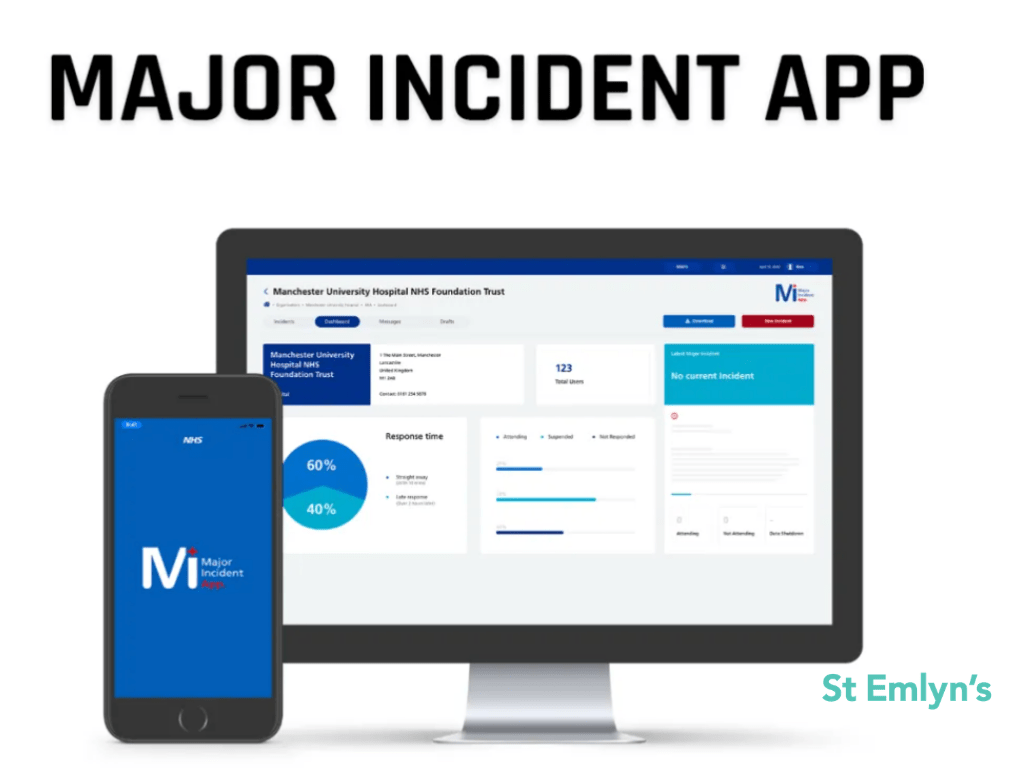
After the Manchester Arena attack, Peter Hulme saw the limits of phone cascades and messaging groups for recalling emergency staff. This 2020 account follows the development of the Major Incident App, from alerting and coordinating responders to funding, industry collaboration and lessons learned.
What can a documentary about Tony Slattery teach emergency clinicians about the people they treat? Iain Beardsell reflects on addiction, trauma and mental distress, challenging dismissive labels and urging readers to look beyond a presenting problem to the person's life and experiences.
The recording and reading list from the 26 May 2020 COVID-19 journal club, with guest Kelly Ann Janssens. The panel examines the preliminary remdesivir report, testing uncertainty, emergency department diagnosis and paediatric transmission in the context of the evidence available at that time.
A May 2020 selection of ten COVID-19 papers, from antibiotic prescribing and healthcare worker testing to antibody assays and public health measures. The reviews also consider intimate partner violence and the needs of people with intellectual disabilities, alongside the limitations of emerging evidence.
A personal account of practising the fundamentals during the first COVID-19 wave. Using CPAP setup, removing PPE, closed-loop communication and end-of-life conversations as examples, the author explores breaking skills into smaller steps, seeking feedback and learning deliberately during everyday work.
Dan Horner examines the difficulties of diagnosing and treating venous thromboembolism in COVID-19 in May 2020. The review considers D-dimer, imaging, screening effects and possible immunothrombosis, weighing uncertain treatment benefits against bleeding risks while randomised trial results were still awaited.