Learn how trauma team leaders can use the aviation "sterile cockpit" principle to reduce interruptions, improve communication and increase patient safety during high-risk procedures.
ChatGPT can now pass many medical examinations with scores that exceed those of average candidates. Does that mean traditional assessments are no longer fit for purpose? We review the evidence and explore what AI means for emergency medicine education, MRCEM examinations and patient safety.
Evidence from academic studies, professional bodies, coroners, NHS trusts and patient-safety investigators increasingly links corridor care and prolonged emergency department boarding with avoidable harm. Stevan Bruijns asks whether the evidence now warrants a formal public inquiry.
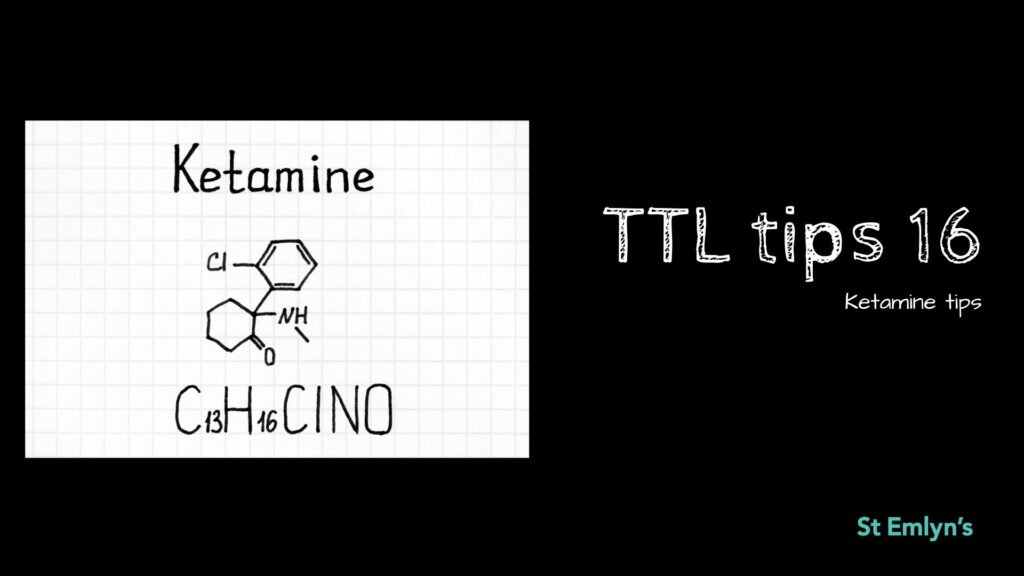
This trauma team leader guide discusses ketamine for analgesia, procedural sedation and delayed sequence induction. It covers monitoring, dose adjustment and the importance of matching its use to the patient and the team's airway expertise.
It is tempting to think that expertise comes from accumulating enough facts, passing enough exams or simply spending 10,000 hours at work. In this episode, Iain Beardsell is joined by emergency physician, intensivist and medical educator Sara Crager to explore why expertise is less about how much we know and more about how we think.
How do emergency clinicians hold on to hope while acknowledging the reality of a struggling system? Stevan Bruijns reflects on the Stockdale paradox, moral injury and the colleagues who help us endure, while keeping responsibility for working conditions with the organisation.