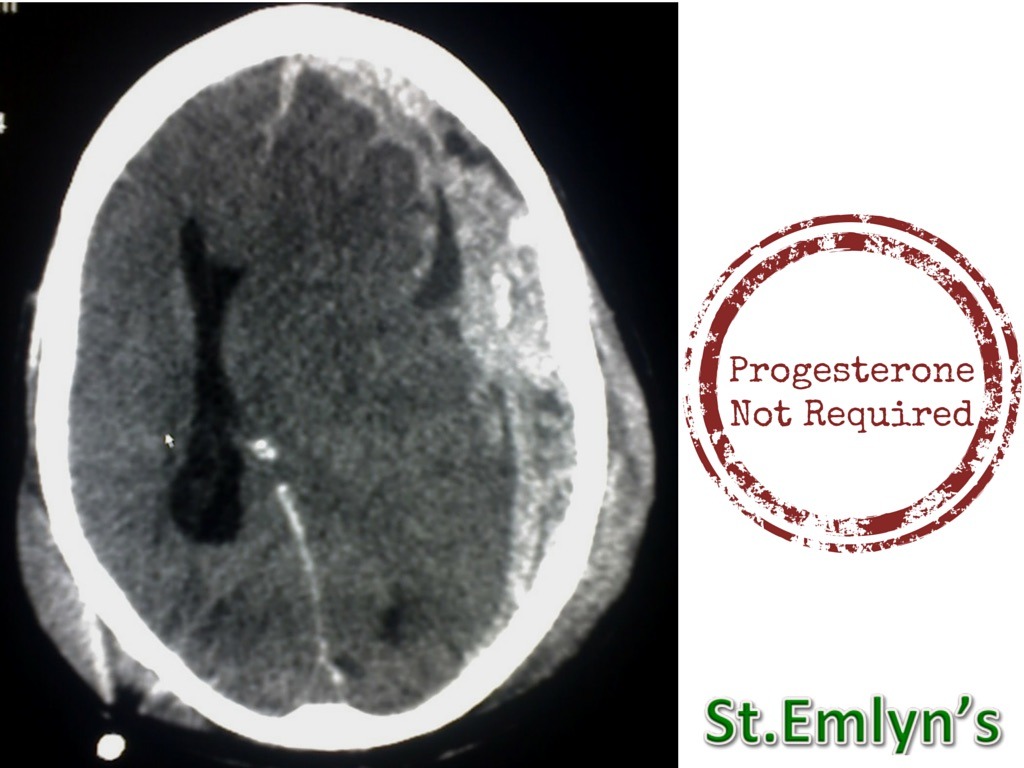
Why did progesterone’s promise in experimental brain injury fail to translate into benefit in a large clinical trial? This 2014 journal club examines patient selection, randomisation, anticipated treatment effects and stopping for futility, using the study to explore the challenges of translating laboratory findings into patient care.
Could time spent in an emergency department offer an opportunity for sexually transmitted infection screening? This 2014 appraisal examines a trial of brief counselling and testing in young women, questioning its sample size, generalisability and whether measuring immediate uptake captures the wider value of screening.
A satirical ‘Fellowship of Corridor Medicine’ introduces a serious discussion of emergency department overcrowding. Simon Carley follows the spoof with practical reflections on departmental leadership, communication, sharing risk across the hospital and supporting patients and staff when demand overwhelms the space available for safe care.
A 2014 appraisal of MR CLEAN, an early positive trial of intra-arterial treatment for selected patients with acute ischaemic stroke. Simon Carley examines imaging-based selection, pragmatic treatment choices and functional outcomes, while asking how confidently one trial could support wider adoption at the time.
Natalie May and Iain Beardsell discuss a structured approach to a breathless child in this 2014 induction podcast. The case-based conversation covers recognising respiratory distress, taking a history from parents, common causes including viral wheeze and croup, and deciding when to seek help or admit.
The final day of the London Trauma Conference 2014 turns to prehospital care and air ambulance operations. This report covers training and performance, introducing new procedures, difficult transfers and the human impact of fatal helicopter crashes, alongside brief discussions of emerging trauma therapies and responder technology.